
Beef Stroganoff

Beef StroganoffWhat does it take for a meal to be absolutely delicious? A great deal of the finest ingredients, you might be tempted to say. But sometimes the recipes that become popular throughout the world are actually based on a sound balance of simple ingredients and don’t require the expertise of a chef as far as the preparation process goes.

Good news, right? Such is the case of Beef Stroganoff, a recipe originating in Russia, which has become known around the world. From Brazil to Iran, there are various ways of preparing this tasty dish, and variations of the recipe can even go as far as to replace the key ingredient, the beef strips, with chicken, shrimp, or sausages.

In this article, you will find, however, different ways of making Stroganoff with beef. You can try, of course, the other variants as well, especially if you need to avoid high-fat contents in your diet, but otherwise, it would be rather a pity to miss out on a hearty plate of Beef Stroganoff coupled with a glass of wine!

Original Beef Stroganoff Recipe

The recipe is believed to have been in the family of Count Pavel Stroganoff – hence the name of the dish – for many years before it became known mainly thanks to his fame as a gourmet. Originally, the recipe included sautéed beef cubes, served with a sauce made of mustard and bouillon, and completed with a little touch of sour cream.

Over time, a ‘classic’ beef stroganoff recipe has also come to include onion and mushrooms and has come to be served over rice or pasta.

Beef Stroganoff with rice

Put 1 tablespoon of olive oil into a pan and melt 2 ounces of butter over low heat. Cut one carrot and a medium onion into small cubes and cook them in the pan for about 3-4 minutes. Add one crushed garlic clove and cook for another 1-2 minutes. Take about 5 ounces of mushrooms and slice them.

Add them to the pan and cook gently for 5 minutes. Mix the beef strips with 1 tablespoon of ground paprika and stir fry in a different pan over high heat for 2 minutes, until the meat turns brown. Add the vegetables, bring to a simmer and cook for 2-3 minutes. Add another ounce of butter and stir in 2/3 cup of heavy sour cream.

Be careful not to let the mixture boil. Season with salt, pepper, and dried thyme. In the meantime, cook the rice with 2 cups of water in a medium-sized pan until the liquid is absorbed. Add 1 ounce of butter and 1 pinch of salt. Serve the stroganoff spooned over the rice. Bon appetit!

Beef Stroganoff over buttered noodles

Cook the mushrooms, 2 sliced onions, and 1 chopped garlic clove in butter over medium heat. Stir occasionally, until the onions are soft, then remove the vegetables from the pan. In the same pan cook the beef strips until the meat is brown. Add 1 cup of the broth, salt, and Worcestershire sauce, and heat to boiling, then cover and let it simmer for about 15 minutes.

Add the vegetable mixture, boil and stir constantly for 1 minute. Pour the sour cream, and stir until hot, but do not let it boil. Meanwhile, cook the noodles with a little bit of salt in a pot of boiling water until they turn tender. Drain the noodles, toss with 2 tablespoons of butter, and add salt and pepper. Serve the stroganoff over the noodles; top with more sour cream and chopped parsley.

Other Beef Stroganoff recipes

Brazilians like it with a lot of meat and tomato sauce. Another key ingredient used for Stroganoff in Brazil is their “Crème de Leite”, instead of the classic heavy cream. They usually serve it with potato sticks – as in Russia – and rice.

In Finland, a normal ingredient found in stroganoff is diced brined pickles.

The Japanese like to serve it with white rice, but they can also add small amounts of soy sauce. As you can see, Beef Stroganoff is a very popular dish that can be prepared in numerous ways. Why not trust the culinary instinct of so many peoples over the world and try it today – in whatever form you’d like!
https://chart.googleapis.com/chart?chs=150&cht=qr&chl=https://www.consumerhealthweekly.com/beef-stroganoff/?Beef Stroganoff

Chamomile Extract

Chamomile ExtractAs a plant, chamomile is known for its many health benefits, which is why it has become a widely spread plant. You can enjoy these benefits by using the plant in any of its many forms, including extract. Find out more about the health benefits and side effects of chamomile extract!
About Chamomile Extract

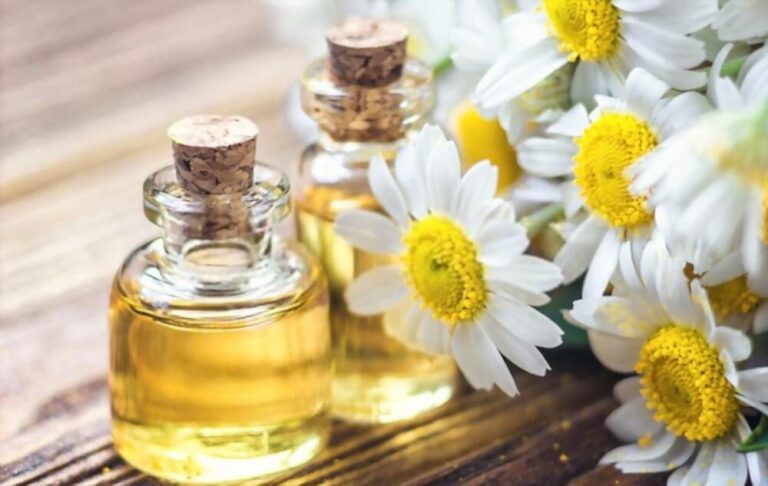
Chamomile is a flowering plant belonging to the daisy family of Asteraceae. It is a low-growing plant, having small flowers with yellow disc florets and various white petals. The plant is native to Asia and Europe, though it has easily spread to other continents, as well. The most common species are Matricaria chamomilla (German chamomile or wild chamomile) and Chamaemelum Nobile (Roman chamomile, English chamomile, or garden chamomile).

It has been used since ancient times due to its many health benefits, by the Greeks, Romans, and Egyptians. The plant contains important chemical compounds, such as alpha-bisabolol, terpenoids, flavonoids, coumarins, phenylpropanoids, and flavones (apigenin, as well as luteolin and rutin).

Chamomile extract is derived from the flowers of the plant. The chemical compounds are also found in the chamomile extract; therefore, the extract is known to have anti-inflammatory, anti-hyperglycemic, and anti-spasmodic properties, as well as mild sedative effects.

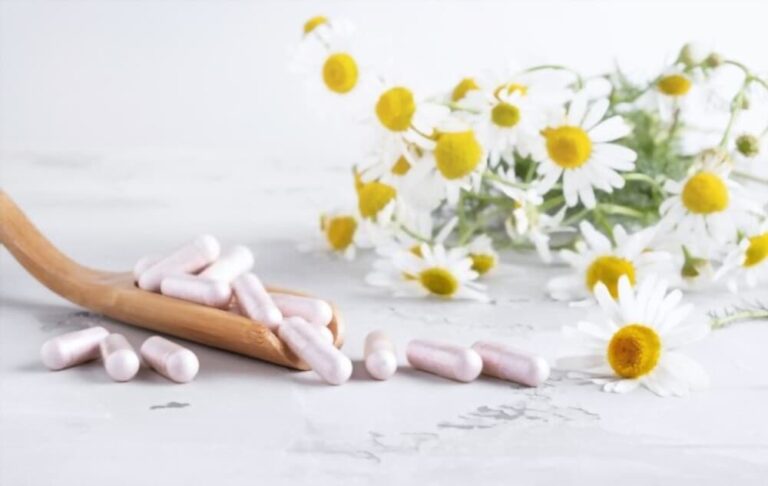
Chamomile extract is available in capsule, ointment, or tincture form.

Uses of Chamomile Extract

Chamomile extract is especially used for cosmetic products. It improves the condition of the skin, while also adding a refreshing fragrance to the product.

Many skin care products include chamomile extract, as it considerably improves skin condition. It is a key ingredient to care products for sensitive and irritated skin. It is also added to lotions for tired legs.

Chamomile extract is also an important ingredient when it comes to sun protection products, as well as after-sun products that help soothe the skin.

Last but not least, chamomile extract is added to various hair care products. It improves the condition of any type of hair, especially blond hair, and in some cases, it is added to products that help lighten the color of your hair. It is also an important ingredient to products that help soothe the scalp and improve its condition.

Benefits of Chamomile Extract

As it was already mentioned, chamomile extract helps improve the condition of the skin. Its compounds show important vasodilator action, which means that it helps with blood flow to the skin, therefore soothing irritation. It can also help treat various skin conditions, such as acne, eczema, and psoriasis. It helps wounds to heal faster, as well.

Chamomile extract is known to help with various stomach problems. As it has anti-inflammatory and anti-spasmodic properties, it can help with stomach ulcers, heartburn, morning sickness, nausea, diarrhea, Crohn’s disease, and irritable bowel syndrome. It is also recommended if you’re dealing with hemorrhoids. Also, if you’ve got diabetes, it can help keep the blood sugar levels under control.

Chamomile is known to have a soothing, relaxing effect, and chamomile extract has the same property. It has mild sedative effects and therefore helps with anxiety, stress, and insomnia. It also relaxes the muscles, which makes it helpful in case of muscle strains or menstrual cramps.

Chamomile extract can be useful when you’ve got a cold, for example. It also strengthens the immune system and helps the body fight against colds and flu.

Side Effects

When it comes to chamomile extract, the most common side effect is related to allergic reactions. If you’re allergic to plants from the Asteraceae family (ragweed, marigolds, chrysanthemums, daisies, echinacea, dandelions, sunflowers), it’s best to avoid chamomile extract. Just in case, watch out for allergic reaction symptoms: rashes, itchy skin, difficulty in breathing, chest pains, or swelling of the lips and tongue. If you notice you’re getting any of these symptoms, contact your doctor.

You should avoid chamomile extract if you’ve got a hormone-sensitive condition (breast cancer, uterine cancer, ovarian cancer, endometriosis, uterine fibroids). Also, check with your doctor if you’re on medication, as it can lead to adverse interactions between your medication and the chamomile extract. It is especially recommended not to use chamomile extract if you’re taking blood thinners (anticoagulants).

https://chart.googleapis.com/chart?chs=150&cht=qr&chl=https://www.consumerhealthweekly.com/chamomile-extract/?Chamomile Extract

Chamomile Oil

Chamomile OilJust like the plant, it is extracted from, chamomile oil is quite popular as well. It is often used in aromatherapy, as it is known to relieve stress and anxiety and to help people relax. However, this isn’t the only benefit of chamomile oil. Find out more about the health benefits and side effects of chamomile oil!

About Chamomile Oil

Chamomile belongs to the Asteraceae family. It is a low-growing plant with small, white flowers. It is native to Europe and Asia, though it has widely spread to other continents, as well. The most common species of the plant are Matricaria chamomilla (German chamomile or wild chamomile) and Chamaemelum Nobile (Roman chamomile, English chamomile, or garden chamomile).

Chamomile oil from both types of plants is extracted from the flowers, through a process of steam distillation. The Roman chamomile yields about 1.7% of the flowers, while the German chamomile yields around 0.4%.

The main chemical components of chamomile oil extracted from Roman chamomile include a-pinene, b-pinene, camphene, y-terpinene, caryophyllene, propyl angelate, and butyl angelate. In the case of the chamomile oil extracted from the German chamomile, the important chemical constituents are bisabolol oxide A, bisabolol oxide B, and chamazulene.

Benefits of Chamomile Oil

Both types of oil, extracted from Roman chamomile or German chamomile, mostly have the same therapeutic properties.

Chamomile oil extracted from Roman chamomile is great for the skin, as it helps treat acne, rashes, dermatitis, eczema, dry and itchy skin, as well as various cuts, scrapes, and bruises. It has relaxing properties and it can even be used with babies and children, in order to help them relax when they are irritated or teething; it can also help with colic, diarrhea, and gastric spasms. However, with children, chamomile oil should be diluted, and with babies, very diluted.

The oil also helps adults with various stomach problems and abdominal pain, as well as with premenstrual syndrome, asthma, gall bladder problems, hay fever, sciatica, and throat infections.

On the other hand, chamomile oil extracted from German oil is known to have a calming effect on both the body and the mind. It stimulates the liver and gall bladder, helps with urinary stones, improves digestion, and treats various menstrual and menopausal problems.

This oil can also help improve the condition of red, irritated, and dry skin. It can be used with other skin problems as well, such as acne, psoriasis, or eczema. It is also recommended for skin rashes caused by allergies.

In conclusion, they both have calming effects on the nervous and digestive systems, help with menstruation problems, and improve the condition of the skin. They also help with club feet, restless legs, muscle spasms and tension, parasites, and dysentery.

How to Use Chamomile Oil

Generally, Roman chamomile oil can be used in three ways: aromatically, topically, and internally.

In the first case, it can be diffused in the air or even inhaled. You can make a chamomile room spray by diluting 10-12 drops of chamomile oil in 30-40 ml of distilled water. Not only will it help you relax, but you’ll also enjoy its scent: your room will be filled with a sweet, herbaceous, apple-like fragrance.

When used topically, it can be applied directly to the skin, or mixed with a carrier oil (coconut oil, for instance). It can also be useful as a massage oil or in the bath, diluted in the water of the bathtub. Roman chamomile oil helps more with allergies, colic, insomnia, muscle and back pain, bowel disorder, and arthritis. Meanwhile, German chamomile can help with asthma, menstrual and menopausal symptoms, rheumatism, mumps, and measles.

Internally, chamomile oil can be used in two ways. It can be used in cooking, by adding a drop to the water. It can also be taken as a dietary supplement, by diluting one drop in one tablespoon of honey or 100ml of water. However, in this case, it’s best to talk to your doctor about this before taking dietary supplements.

Both Roman chamomile oil and German chamomile oil can be added to creams and lotions. The former can help with burns, sunburns, and diaper rashes, while the latter is used for general skin care and to improve the condition of allergic skin.

Roman chamomile oil can be used as a mouthwash. It is recommended if you’re dealing with dental abscesses or tonsillitis. You can also add a few drops of Roman chamomile oil to your shampoo; this will prove to be useful if you want to brighten and lighten your hair color in a natural way.

Side Effects

Generally, both types of chamomile oil (Roman chamomile and German chamomile) are considered safe, as they are both non-toxic and non-irritant. However, they have a few side effects. If you’re using one of them for the first time, you should be careful with these particular side effects.

It’s best to avoid chamomile oil if you know that you’re allergic to plants belonging to the Asteraceae family. Besides chamomile, this also includes ragweed, marigolds, chrysanthemums, daisies, Echinacea, dandelions, and sunflowers. Just in case, watch out for symptoms of allergic reactions. Common symptoms include rashes, itchy skin, difficulty in breathing, chest pains, or swelling of the lips and tongue. If you notice you’re getting some of these symptoms, stop using chamomile oil and contact your doctor.

Chamomile oil is not recommended for pregnant or breastfeeding women. In the first case, high concentrations can cause uterine contractions which can lead to an unwanted miscarriage. It might also affect the baby if you use chamomile oil while nursing.

When it comes to internal use, it’s best to avoid chamomile oil if you’re taking blood thinners (anticoagulants). If you’re taking any other type of medication, check with your doctor first to see if it’s safe or to decide on the right dosing, because otherwise there might be adverse interactions between your medication and the chamomile oil.

With very few side effects and lots of health benefits, chamomile oil is something you should have in your house! Use it and you’ll get to enjoy both its sweet, refreshing scent and its health benefits!

https://chart.googleapis.com/chart?chs=150&cht=qr&chl=https://www.consumerhealthweekly.com/chamomile-oil/?Chamomile Oil

Argyle Treatment: Benefits And Advice

Argyle Treatment: Benefits And AdviceArgyle treatment is one of the oldest beauty techniques because the water and argyle powder combination can work miracles for your skin, and muscles, while also being able to reduce stress.

 Even if you risk making a mess in your bathroom when trying this treatment, the results are quite impressive, thanks to its anti-inflammatory and antiseptic properties. No wonder people have been using it ever since ancient times!

Argyle treatment: benefits

Argyle can be used for both external and internal use and you can either use it for baths, masks, wrappings or compresses. Used externally, argyle can treat the endocrine glands’ action, ulcerative colitis, high blood pressure, toxin elimination, tiredness, tuberculosis, and other digestive tract ailments.

Argyle contains copper, which stimulates the ferments in your liver, and the hormones in your glands, while also ensuring a proper change of proteins, fats, and vitamins throughout your body. Argyle is useful in case you’re dealing with skin diseases and female reproductive system complaints.

For example, taking an argyle bath twice a week will make you release rheumatism pain from your arms and legs. Mix a small amount of argyle powder with water and Aloe Vera gel and apply it on your affected areas, especially if mild burns, skin irritations, or insect bites are your problems. Once it dries off, argyle will absorb the oil excess from your pores, thanks to its abrasive texture.

If you suspect that you might be allergic to argyle or just want to make sure that there will be no side effects, take a short test by applying a small amount of argyle and water to a small portion of the skin. Wait 24 hours to see if anything is going wrong.

If you’ve just waxed or suffered from a really bad skin rash, use an argyle bath instead of argyle wrappings so that the effect is milder. It is also important to know that you should only use bottled water and never tap water (the latter contains chlorine).

Argyle treatment: various recipes

There are several types of argyle, including white, yellow, green, red, or blue and each one of them has different properties and benefits for you. Generally, these types of argyle contain iron, aluminum, alkaline metals, potassium, calcium, sodium, etc, but in various concentrations.

White argyle is rich in aluminum, calcium, and magnesium and it’s recommended for anemia, diarrhea, arthritis, and osteoporosis. Also, this type of argyle can soften all types of skin.

Yellow argyle is good for normal skin, being very similar in terms of effectiveness to green argyle. This means that you can also use it if your skin is sensitive, dried, or dehydrated, but in smaller amounts. In case acne scars have been bothering you for a while now, just use yellow argyle and you’ll see the difference.

Red argyle is quite rare, rich in aluminum, iron, and titanium, and is used to treat arthritis, osteoporosis, and sprains. The cosmetic industry uses this type of argyle for skin regeneration treatments and acne solutions. You may want to look for it especially if you’ve got dried and sensitive skin.

Blue argyle is renowned for its ability to purify your body and detox the organism, as well as for its cleansing properties. This way, it will maintain a youthful aspect of the skin, erasing wrinkles and eliminating the toxic residues, which makes it a great adjuvant for psoriasis, eczema, and dermatitis.

Green argyle has a wide range of properties, thanks to the fact that it also contains many minerals. This type of argyle is generally used for arteriosclerosis treatments, acne, sebum excess, and toxins eliminations, as well as inflammations.

Argyle baths

Combine a cup of argyle with some mineral water and stir until you obtain a light creamy paste. Add this composition to your bathtub water, stirring constantly. Remember to take a glass of water with you when taking this bath because you may feel a bit dehydrated. Enjoy this bath for 20-30 minutes. Afterward, use a good moisturizer, because this kind of bath has exfoliating properties which may dry out your skin.

Argyle wrappings

If you’ve decided to go for an argyle treatment, don’t forget about the wrappings. Here’s what you need to do: mix a cup of argyle with a cup of water and stir until you obtain a thick paste. Using a spatula or a brush, apply this paste to your affected areas, wrap a cotton towel around you and choose a place to relax for the next 30 minutes.

https://chart.googleapis.com/chart?chs=150&cht=qr&chl=https://www.consumerhealthweekly.com/argyle-treatment-benefits-and-advice/?Argyle Treatment: Benefits And Advice

Sea Buckthorn Oil: Advice And Therapy

Sea Buckthorn Oil: Advice And TherapySea buckthorn herb is rich in active compounds, especially vitamin C and amino acids, which means that this plant can successfully be used to treat and prevent various health problems.
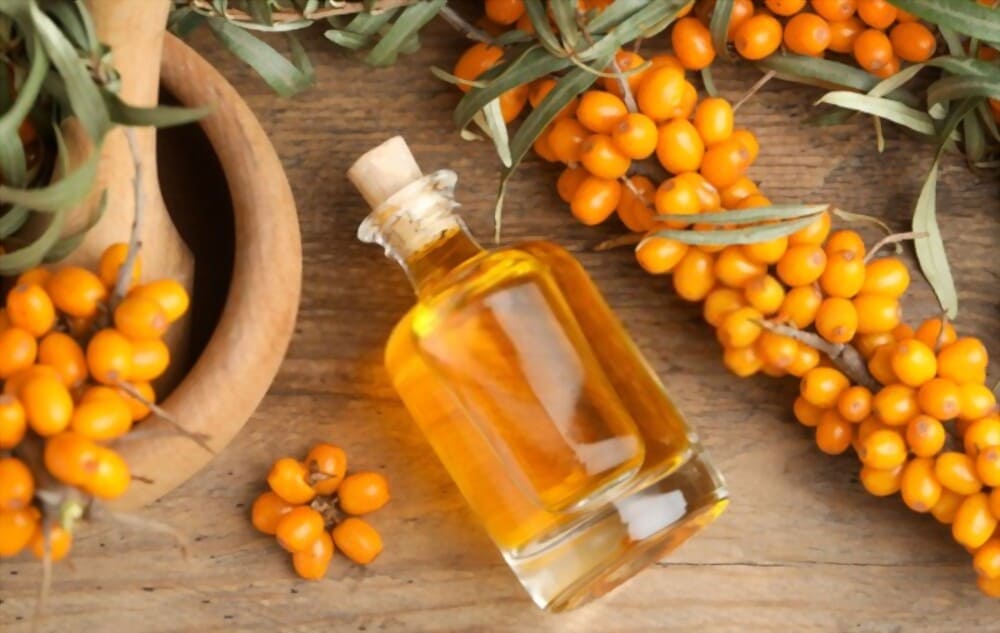
You can either try the sea buckthorn capsules or buy some sea buckthorn oil so that you can enjoy it raw, and unprocessed.

Sea buckthorn oil benefits

Sea buckthorn oil contains a huge amount of Omega 7 and Omega 3, 6, and 9, tocopherols, and other active substances renowned for their ability to calibrate the antioxidant properties of your cells. Without further introduction, here are the great benefits of sea buckthorn oil!

Sea buckthorn oil has anti-inflammatory properties, being able to treat various skin problems, such as dermatitis, psoriasis, or eczema. It can even be useful for gastric and vaginal problems, so make sure you have it in your cupboard!

– This oil has anti-aging properties, being able to moisture, repair, and protect the epithelial cells.

– It protects and moisturizes the mucus while fighting soreness caused by menopause. Sea buckthorn oil can also treat dry mouth syndrome, which causes difficulty in breathing and speaking.

Sea buckthorn oil has an antioxidant effect, being able to fight free radicals.

– It provides all the fatty acids that your cells need in order to regenerate.

– It strengthens your immune system.

 Sea buckthorn oil for your body

The sea buckthorn oil is great if you want to protect your skin from the bad weather (wind, cold, or sun overexposure), being able to nourish and cleanse your skin as well. If you’ve decided to use this oil for your entire body, you’ll see that the skin will regain its elasticity and become smoother than ever.

Don’t worry: this type of oil is recommended for any type of skin, but you may want to try it, especially if yours is quite dried. Therefore, choose beauty products that are based on sea buckthorn oil, coconut oil, water, or essential oil. If you like homemade recipes, you can buy some sea buckthorn oil from the herbal shop and mix it with your body milk.

Hand cream with sea buckthorn oil

Hand creams containing sea buckthorn oil are great if you want to protect your palms and fingers from dehydration. Therefore, prepare the perfect hand cream all by yourself! All you need to do is mix a few drops of sea buckthorn oil with some bee wax and two drops of your favorite essential oil and apply it on your hands as often as you need to. This cream will protrude your skin instantly, leaving your skin smooth and shiny. Plus, it will also moisturize and help with the regeneration process.

Use sea buckthorn oil to prevent wrinkles and fine lines

UVs are the ones that lead to free radicals occurrence, responsible for premature aging. Recent studies have shown that people who use sea buckthorn oil for their skin are less likely to encounter wrinkles before the age of 30. You may want to purchase this oil if you haven’t done it by now!

Sea buckthorn oil for internal problems

Sea buckthorn oil is good for your entire body, not just your skin, thanks to the fact that it maintains a good functioning of your coronary and vascular systems. Also, if you’re suffering from obesity, sea buckthorn oil will control your appetite and help you eat less. If that is the case, you’ll have to buy the sea buckthorn capsules, since they are much more effective.

This wonderful oil contains many vitamins (C, A, B1, B2, B6, B9, E, K, P, F), micro minerals (phosphorus, calcium, magnesium, potassium, iron, and sodium) and it’s recommended for liver failure because it contributes to protein absorption and studies proved it to be efficient in preventing different types of cancer. As you can see, sea buckthorn oil is very useful for a wide range of affections and can also be used to prevent many others.

There is no reason to spend all your money on expensive chemical products when all you need is a good bottle of sea buckthorn oil! Enjoy nature’s amazing benefits today and you’ll feel a lot better tomorrow!

https://chart.googleapis.com/chart?chs=150&cht=qr&chl=https://www.consumerhealthweekly.com/sea-buckthorn-oil-advice-and-therapy/?Sea Buckthorn Oil: Advice And Therapy

Eucalyptus Oil

Eucalyptus OilThe therapeutic action of the Eucalyptus oil is much praised and wide-ranging; among its medicinal qualities, one can mention its inflammatory, antispasmodic, decongestant, deodorant, antiseptic, antibacterial, and stimulating properties.

However, unlike other aromatic substances that have been used for centuries, it was for a long time not very popular in aromatherapy and folk medicine since its therapeutic effects have not been scientifically investigated until past decades.

What Is Eucalyptus Oil?

This is the generic name for a variety of extracted oils (that come in various concentrations) obtained by steam distillation from the leaves of around 15 Eucalyptus species. Eucalyptus trees belong to the plant family Myrtaceae and, even if native to Australia, they are nowadays cultivated worldwide. Eucalyptus oil can be used for many different kinds of medicinal and non-medicinal purposes, thanks to its fragrance, flavor, and antiseptic properties.

There are three main types of Eucalyptus oil, according to their chemical composition and their use. Of course, there is a medicinal one, one used in food processing for flavoring and another employed in perfume, cosmetic, and detergents industries.

What Does Eucalyptus Oil Look Like?

Essential Eucalyptus oil is a volatile liquid of a colorless, transparent, and dense consistency, having a strong, distinctive taste and odor. It gets yellow shades with aging and it has a penetrating, camphor-like, woody, and sweet scent.

Eucalyptus Oil Production

Global production of Eucalyptus oil – estimated at 3 000 tonnes – is dominated by the most common species of the genus, Eucalyptus globulus. Yet, higher concentrations of the active principles are to be found in another variety, namely in Eucalyptus polybractea (up to 80-90%). Even if China is the world’s main producer of this oil, (about 75% of the world trade), it is chemically derived from camphor oil and not from natural Eucalyptus leaves. True Eucalyptus oil is produced in South Africa, Portugal, Spain, Brazil, Australia, Chile, and Swaziland.

Pharmacology and Eucalyptol Content

Eucalyptus oil is rich (up to 90%) in a natural organic compound called “eucalyptol” or “cineole”, which is toxic if ingested above standard doses. Paradoxical, the oil owes most of its beneficial properties to this potentially dangerous chemical – for example, in order to be pharmacologically active, a product must contain at least 70% eucalyptol. This explains why all eucalyptus oil-based products must be taken in very small dosages to avoid side effects.

This oil contains other therapeutic substances as well: tannins with astringent properties, and caffeic acids and gallic acids (which are also found in green tea) with strong antioxidant effects. The antioxidant compounds (to name but a few, hyperin, eucalyptin, quecetin, rutin, limonene, alpha-pinene, and alpha-termineol) help eliminate free radicals, thus preventing the damage of blood vessels and skin tissues.

Eucalyptus oil is rich in chemicals that lower blood sugar in diabetes. Some other substances in their composition have antibacterial, analgesic, anti-inflammatory, and antifungal action.

Medicinal Use and Benefits

The most important compound with physiological action to be found in Eucalyptus oil is the eucalyptol (cineole) which, besides its powerful antibacterial action, also affects the mucous membranes in the respiratory tract, leading to decongestion and phlegm release.

In addition, it is a great antimicrobial and antiviral agent, which makes it a valuable ingredient in many pharmaceutical products. Dentists, for example, use products made of Eucalyptus oil as sealers and solvents for root canal fillings.

Respiratory Problems

The oily eucalyptus extract is particularly effective in reducing cough, sore throat, sinus infections, bronchitis, chronic obstructive pulmonary disease (COPD), and asthma symptoms. As an expectorant agent, it loosens coughs, reduces fever, and vaporizes fluids, which strongly recommends the use of Eucalyptus oil to fight against the flu or the common cold.

Antibacterial Action

Moreover, Eucalyptus oil‘s antibacterial effects kill pathogenic bacteria in the respiratory system and also stimulate your immunity, improving your body’s response to the harmful action of viruses, microbes, and bacteria.

Analgesic and Anti-Inflammatory Action

Eucalyptus oil is also an efficient analgesic and anti-inflammatory agent; if applied in diluted solutions directly on the skin, it will alleviate pain and reduce inflammations in cases of burns, wounds, ulcers, and skin cancer. It is particularly useful in skin level cuts, genital herpes, and insect bites and stings as well.

If you are sick of feeling joint and muscle pain or you are suffering from rheumatism, lumbago, sprained ligaments, and tendons, you will feel better after massaging the affected area in a circular motion with diluted Eucalyptus oil. Stiff muscles, backaches, fibrosis, and even painful nerves can also be treated this way, due to the analgesic effects of this volatile oil.

Diabetes

Ingested, low concentration Eucalyptus oil products reduce the blood sugar levels. It increases the capacity of your blood vessels, meaning that your entire body will benefit from improved blood circulation, which is needed in the case of most diabetic patients. Massaging this oil onto the skin and inhaling its volatile vapors will ease the constriction of your vessels, will have a relaxing effect, and decrease your hyperglycemia.

Stress and Mental Exhaustion

Eucalyptus oil is famous for having cooling and refreshing effects, acting upon your mind in a stimulating way. Increasing your blood flow to the brain stimulates intellectual activities, removes exhaustion and fatigue, and, last but not least, makes you feel fresh and rejuvenated.

Cautions Concerning Safety and Toxicity

It has been proven that consumed internally in low dosages at the pharmaceutically recommended rate, Eucalyptus oil use is safe for adults. However, when ingested or applied on the skin at higher than recommended doses, it becomes so toxic that it is likely to produce headaches, contact dermatitis, convulsions, or even death.

Other signs of poisoning are stomach pain and burns, nausea, muscle weakness, suffocation, vomiting, small eye pupils, and diarrhea. Eucalyptus oil is harmful in doses as small as 3.5 ml. The lethal dose of pure volatile oil varies between 0.05 and 0.5 ml per kilogram of body weight. Obviously, children are more vulnerable, so avoid administering these products without previous medical advice.

Not enough is known yet about using this oil during pregnancy and breastfeeding, so you should better stay on the safe side and avoid it. Diabetics should pay special attention not to lowering their blood sugar levels too much, which can happen if they associate standard medication with Eucalyptus oil. For the same reason, the extract is unrecommended at least 2 weeks before and after any surgery.

Keep in mind that, although therapeutical, not all-natural products are necessarily safe under any circumstances. Dosages are very important, as are instructions on product labels and your physician’s advice and monitoring.

https://chart.googleapis.com/chart?chs=150&cht=qr&chl=https://www.consumerhealthweekly.com/eucalyptus-oil/?Eucalyptus Oil

Natural Remedies For Ganglion Cysts

Natural Remedies For Ganglion CystsAlthough not a severe health problem, ganglion cysts can still be quite a bother, as they are at times painful and can cause a lot of discomfort. There are a few medical treatments available, though ganglion cysts might still reoccur. However, you can also try treating ganglion cysts by using natural remedies!

About ganglion cysts

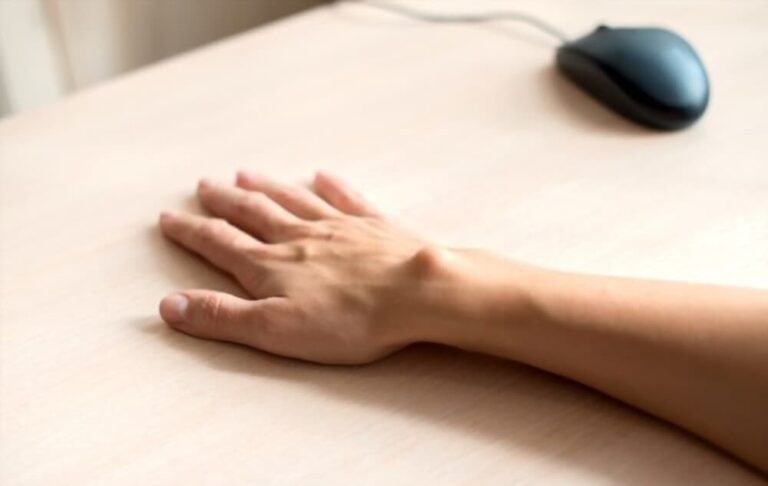
A ganglion cyst is a fluid-filled lump or bump that may occur in any joint; however, it most often occurs around joints and tendons in the hands and/or feet. It is also called a synovial cyst, a myxoid cyst, or a Bible cyst or bump. A cyst is usually 2-3cm big, though with time they can grow up to 5 cm or more, especially after physical activities. It is not cancerous and neither can it spread to other parts of the body.

When it comes to discussing the cause of a ganglion cyst, the most commonly accepted one is related to the „herniation hypothesis”. This means that the cysts occur as a kind of distention of a weakened part of a joint or tendon. Their occurrence can also be caused and affected by the following factors: myxoid degeneration of periarticular fibrous tissues and liquefaction with chronic damage, increased production of hyaluronic acid by fibroblasts, the proliferation of mesenchymal cells, and facet arthrosis. Repeated mechanical stress also plays an important role when it comes to the formation of ganglion cysts.

There aren’t many symptoms when it comes to ganglion cysts: regardless of their size, they can be quite painful and cause a lot of discomfort.  Of course, the liquid-filled bumps are a clear sign, as well. Because of these symptoms, they are easily diagnosed, especially the bigger ones, which are visible and pliable to touch. To make sure that the bumps really are ganglion cysts, one can get radiography or an ultrasound done.

Over time, ganglion cysts may get smaller or bigger and, sometimes, they can even disappear without getting any treatment. However, if they are painful, quite big, and causing a lot of discomfort, it’s best to get them treated. However, in some cases, treatment of ganglion cysts might lead to scar formation and stiffness in the hand or leg.

Treatment of Ganglion Cysts

It is recommended to treat ganglion cysts if they become too big or cause a lot of pain and discomfort.  Doctors have a few different options when it comes to treating cysts.

At first, your doctor might recommend you to use a splint for a week or two, in order to avoid putting stress on the wrist. This will help shrink the cyst and as it will release the pressure on your nerves, it will also get rid of the pain. After this, the cyst might disappear without needing to treat more.

Cysts can be drained by a doctor. Before trying to drain the fluid, your doctor might inject an enzyme into the cyst; this will help make the fluid easier to remove. Then, with the help of a hypodermic needle, the doctor drains the liquid from inside the lump. Once this is done, the doctor usually injects a corticosteroid in that area.

If draining doesn’t work or can’t be done, and the cyst is extremely painful, the doctor might decide to remove it through surgery. The surgery can be performed with only local anesthesia. After the surgery is done, it is recommended to spend 2-6 weeks of recuperation.

However, none of these treatments promise to remove the ganglion cysts for good. After some time, the ganglion cyst might reoccur.

Natural Remedies for Ganglion Cysts

If you’d rather go for a natural treatment, then you can try some natural remedies for ganglion cysts. You can try and treat cysts by using various herb astringents.

An infusion of herbs can do wonders for your ganglion cyst. All you have to do is use the herbs to make a classic infusion and then soak a compress in the herbal tea. You can cover the cyst with the soaked compress, as this will make it shrink. You can use hazel or white oak bark, as they are known to help reduce the size of the cyst. Echinacea is also good, as it is known to strengthen your immunity and improve your general condition. Licorice can also be used: it has anti-bacterial properties and can therefore help remove the fluid naturally; it can also be used to prevent cysts from reoccurring.

If the ganglion cyst becomes too painful, you can simply use compresses soaked in warm water. Applying them to the cyst will help ease the pain for a while. Ice can also be used, both to reduce the pain and swelling.

Turmeric and ginger can also be used to treat ganglion cysts, as they are known to have anti-inflammatory properties. You can take turmeric extract orally, 400-600mg/day. With ginger, the recommended dose varies between 500 and 1000mg, either one or two times a day.

It seems that Frankincense essential oil can help, as well. Simply rub some oil twice a day (in the morning and at night) and the ganglion cyst will gradually become smaller and smaller. Simply massaging the cyst without using anything can also help, especially if you use that part of the body less than usual.

You can go to your local drugstore and buy a topical cream or lotion that lists arnica as one of its main ingredients. Arnica is also known to have anti-inflammatory properties.

Last but not least, it is recommended to include lots of fresh fruits and vegetables in your daily diet. This way, you will strengthen your immunity system and a healthy body increases the chances of the cyst disappearing on its own, without any kind of treatment. Also remember to rest a lot and limit the physical activities, especially if they involve moving the part of the body that has the cyst.

Side Effects and Contraindications

There are no side effects linked to the natural remedies for ganglion cysts. However, remember to check for allergies to the herbs used to treat the cysts. If you’re not sure, watch out for symptoms of allergic reactions, such as skin rashes, difficulty in breathing, or swelling of the lips and tongue.

Also, doctors often recommend not trying a traditional method of getting rid of ganglion cysts: the “Bible therapy”. In the past, it was believed that by hitting the cyst with a heavy object, it would slowly disappear, as the hit would disrupt the fluid-filled capsule. Books counted as a heavy and safe object and, as everyone had a Bible at home, this was usually used. Because of this, ganglion cysts are also called Bible cysts or lumps. While this method can be effective at times, it is not recommended as it can cause more damage than good, by hurting your hand or foot.

Last, don’t try to drain or burst the cyst at home, with the help of a needle. This is quite risky, as it can lead to an infection, and it probably won’t help completely get rid of the cyst.

https://chart.googleapis.com/chart?chs=150&cht=qr&chl=https://www.consumerhealthweekly.com/natural-remedies-for-ganglion-cysts/?Natural Remedies For Ganglion Cysts

Natural Remedies For Seborrhea

Natural Remedies For SeborrheaLots of people who have seborrhea often find themselves at a loss about how to treat this skin disorder, especially as in some cases, it can last for years. If products found at drugstores don’t work anymore, it’s time to try something natural! Find out more about these natural remedies for seborrhea!
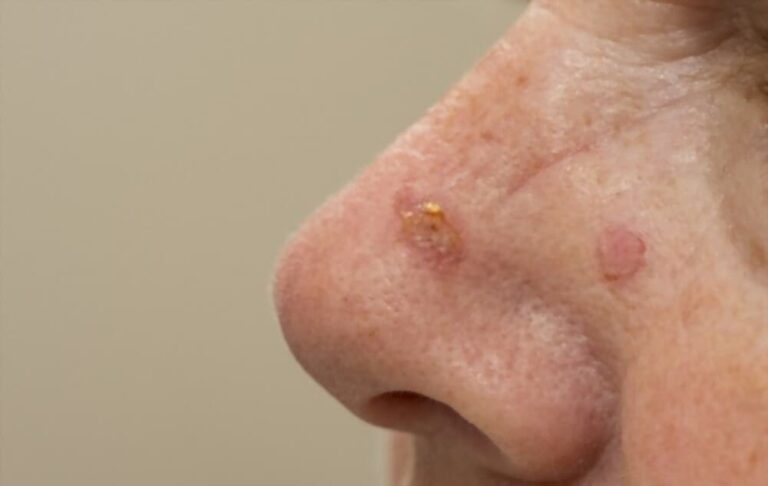
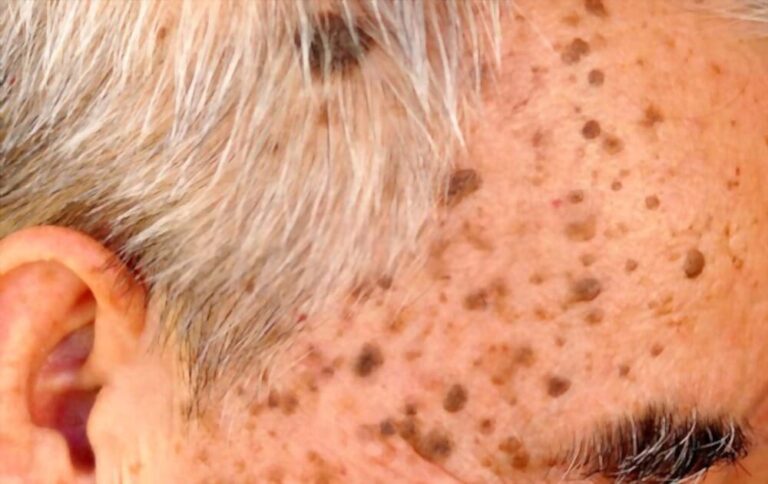
About Seborrhea

Seborrhea is an inflammatory skin disorder, also known as seborrheic dermatitis or seborrheic eczema. It affects the skin of the scalp, face, and torso; the skin becomes red, itchy, scaly, and flaky.

The flakes may be white, yellow, or grey and may appear on the skin of the face (near the eyelashes, on the bridge of the nose or around the sides of the nose, on the forehead), behind the ears, on the chest, and on the upper back. It is also known to affect the scalp: the skin becomes red, itchy, greasy, and flaky. In this case, it can even lead to hair loss. Also, yellow-reddish, scaly pimples might appear along the hairline, as well as on the face, chest, and upper back.

Babies younger than three months can also get mild seborrhea. In their case, the disorder manifests itself through an oily, yellowish crust that appears around the hairline and on the scalp. It is often accompanied by a diaper rash. However, in most cases, the skin goes back to normal after a few days, without needing a particular treatment.

Unfortunately, the skin disorder doesn’t go away that easily in adults. Based on how it is treated, as well as other factors, it may last from a few weeks only to a few years. Also, many people having seborrhea experience alternating periods of inflammation.

Causes and Prevention

Seborrhea often appears as an inflammatory reaction to various forms of the yeast Malassezia. Malassezia globosa is the most common one, followed by Malassezia furfur and Malasezzia restricta.

It appears that saturated fatty acids support Malassezia growth. As Malassezia hydrolyzes human sebum, it promotes the release of both saturated and unsaturated fatty acids. The yeast only uses the saturated fatty acids; as the unsaturated ones are left behind, they penetrate the skin and interfere with the functions of the skin barrier. Because of this, the scalp becomes irritated, which leads to dandruff and seborrhea.

Other common causes include genetic, hormonal, and immunity-related factors. Seborrhea can be caused and aggravated by a weak immunity or by particular illnesses and health problems (neurological disorders, strokes, immunodeficiency). In children, excessive vitamin A intake or lack of biotin, vitamin B2, and vitamin B6 can also cause seborrhea.

Last but not least, it’s important to remember that the environment plays an important role, as well. Stress, sleep deprivation, and fatigue can cause and worsen seborrhea.

It’s hard to prevent the appearance of seborrhea, especially since there aren’t clear causes. However, it’s best to keep stress factors away, to have a well-balanced diet, and wash daily with anti-bacterial products. This way, you can prevent seborrhea or reduce its symptoms.

Natural Remedies for Seborrhea

In case you’ve got seborrhea, you’ll need to focus on your scalp hygiene. Dermatologists recommend the use of shampoos, conditioners, cleansers, and creams that contain antifungal, anti-inflammatory, or Sebo-suppressive ingredients. A dandruff shampoo can also help. However, if the unwanted flakes continue to stubbornly cling to your hair, you can try some natural remedies for seborrhea!

Essential oils are great “weapons” against seborrhea; the best is the tea tree oil. Tea tree oil is often listed as an important ingredient of anti-dandruff hair products, so it doesn’t come as a surprise that it can help fight seborrhea, as well. As tea tree oil has anti-microbial properties, it will fight against the yeast causing seborrhea. Dilute the oil and apply it topically, to your scalp.

Aloe vera is also beneficial when it comes to treating seborrhea. You can apply either a cream or an ointment made from aloe vera, or combine it with tea tree oil. The aloe vera and tea tree oil solutions are quite easy to prepare. You should add 20-25 drops of tea tree oil to 300ml of aloe vera gel; then, shake it well and apply it to your scalp. Leave it on for 15 minutes, then wash it off.

Other essential oils that can be used include eucalyptus oil, neem oil, lavender oil, oregano oil, cedarwood oil, peppermint oil, and rosemary oil. Oregano oil is definitely a good choice, as it is known to have powerful antifungal properties. Any of these essential oils can be mixed with a carrier oil (coconut oil or jojoba oil), at a ratio of 1:9 (one part essential oil, nine parts carrier oil). Apply it the same way as the tea tree oil and aloe vera gel mixture.

Jojoba oil can also be used on its own, for a daily scalp massage. You’ll only need one tablespoon of jojoba oil for this. Massage the scalp gently, after applying the jojoba oil; keep doing this for 2-3 minutes. This will help remove the flakes, as well as increase blood circulation, which will improve your skin condition.

You can also try a mix of honey and warm water: dilute some honey into a glass of water and massage the mixture onto the scalp. Gently rub the affected areas for about 3 minutes, then leave it on for 3 hours. When the time’s up, rinse your hair with warm water.

Drinking a cup or two of herbal tea every day will definitely help treat seborrhea. Red clover tea will improve your skin condition overall, as it won’t focus only on your scalp problems. Burdock root tea is also a good choice and can be used for other skin problems; it is also known to have detoxifying properties.

Side Effects

While most “ingredients” to the natural remedies are generally considered safe, check with your doctor before using them to treat seborrhea.

When using essential oils, make sure they are properly diluted. Do not apply undiluted essential oils on your scalp, as they will burn your skin. Even diluted, tea tree oil might cause skin irritation to people who are rather sensitive. If you’ve applied any essential oil (even diluted) and feel a burning sensation, wash it off immediately.

If you decide on giving herbal teas a try, check to see if you’re not allergic to the plants. Also, it’s best to avoid them if you are nursing or pregnant; the same thing is recommended if you’ve got serious medical conditions (cardiovascular diseases, diabetes). You should also remember to check with your doctor if you’re taking any medication, in order to make sure the herbs won’t interfere with your medication.

https://chart.googleapis.com/chart?chs=150&cht=qr&chl=https://www.consumerhealthweekly.com/natural-remedies-for-seborrhea/?Natural Remedies For Seborrhea

Natural Remedies for Actinic Keratosis

Actinic keratosis can be both unaesthetic and bothersome. What’s more important is that it can lead to skin cancer. This is why it’s best to treat actinic keratosis as soon as it’s discovered. And you can try to do it at home, with the help of some natural remedies for actinic keratosis!

About Actinic Keratosis

Actinic keratosis, also known as solar keratosis or senile keratosis, is a premalignant skin condition that manifests through thick, crusty, or scaly areas on the skin. It is believed to be caused by overexposure to the sun. Because of this, it is more common in the case of fair-skinned people, who have a higher risk of being affected by the sun.

Overexposure to the sun can lead to the appearance of thick, scaly, or crusty bits of skin, dry and rough. At first, they are flat, but with time they grow more. They are generally between 2-6 mm and vary when it comes to colors: dark or light tan, pink, red, or they might even have the same color as the skin surrounding them. They appear mostly on areas that are sun-exposed: face, neck, scalp, ears, chest, forearms, and back of the hands.

If you’re fair-skinned, you can try to prevent the appearance of actinic keratosis. As overexposure to the sun is the main cause, it’s best to try and limit this exposure. If you’re staying out for a longer period of time though, make sure you’ve got the necessary “weapons” to protect yourself: sunscreen, hats, and clothing that cover a lot of skin.

Diagnosis and Treatment

Actinic keratosis is considered to be potentially pre-cancerous. In some cases, the cells can change to squamous cell carcinoma. Because of this, it’s important to both diagnose and treat it properly.

Actinic keratosis is mostly discovered through clinical diagnosis – this means the doctor takes into account symptoms reported by the patient, as well as any other medical signs. In some cases, the doctor might suggest a biopsy as well, in order to make sure the skin problem really isn’t cancer.

A common treatment method is using topical gels and creams. Your doctor might recommend you to try some of the following: ingenol mebutate gel (0.05%), diclofenac sodium gel (3%), imiquimod cream, 5-fluorouracil cream, or salicylic acid ointment.

Other possible treatments include cryosurgery (freezing with liquid nitrogen), electrocautery (burning with electricity), or laser treatment. A rather new method is photodynamic therapy – a chemical is injected into the bloodstream in order to make the lesions a lot more sensitive to light.

Also, it’s important to go to regular follow-ups after undergoing treatment for actinic keratosis. This is necessary in order to make sure that there are no new lesions developing, but also to check how the old ones are doing.

Natural Remedies for Actinic Keratosis

Unfortunately, there are very few natural remedies for actinic keratosis. The two that are known though have been quite effective in treating this skin condition.

One natural solution is using virgin coconut oil. It is recommended to apply it to your skin daily, for about a month. At first, the spots will turn red but with time, they will start to disappear. You can also apply it a few times a week after this, in order to keep your skin healthy and to protect it from the sun.

Another option is using apple cider vinegar. Apply it 2-3 times a day to the skin with the help of a cotton ball. You can also add a teaspoon to a glass of water and drink it during the day, especially during meals. You can gradually increase the amount of apple cider vinegar too as much as two tablespoons. Also, to sweeten the drink, you can add a bit of honey.

Last, it is believed that creams which include solasodine glycosides are good for treating actinic keratosis. You can also get this active ingredient naturally, by including eggplants in your daily alimentation.

Side Effects

There are no side effects linked with these natural remedies. However, it’s recommended to consult your doctor first before giving any of them a try.

https://chart.googleapis.com/chart?chs=150&cht=qr&chl=https://www.consumerhealthweekly.com/natural-remedies-for-actinic-keratosis/?Natural Remedies for Actinic Keratosis

Natural Remedies for Seborrheic Keratosis

Natural Remedies for Seborrheic KeratosisSeborrheic keratosis is a noncancerous skin condition, so you don’t have to worry about getting cancer if you leave it untreated for a while. However, when it comes to treating them, you can even do it at home! Try some natural remedies for seborrheic keratosis.

About Seborrheic Keratosis

Seborrheic keratosis is a skin growth that may resemble warts, moles, and skin cancer; however, it is noncancerous. It is also known by the names seborrheic verruca and senile wart. They appear more and more as people age.

These skin growths have various colors, from black to white; most however are various shades of tan or brown. They are round or oval, flat or slightly elevated, and small or larger. They can be found on almost any part of the body: chest, stomach, back, face, and neck. The only places where they don’t appear are the palms and the soles. They mostly appear more at a time, rarely individually.

The causes aren’t quite clear yet. One certain cause is old age: more and more seem to appear as a person gets older. As they appear on areas that are usually sun-exposed, it was believed that sunlight could be a cause; however, they have been found on skin that hasn’t been exposed to the sun, as well. Stress doesn’t appear to cause seborrheic keratosis, but it can worsen the condition if one already has it. One last cause could be genetic inheritance: if it runs in the family, then you might get it, as well.

Treatment

In many cases, seborrheic keratosis doesn’t require being treated. It can actually disappear on its own. Plus, treatment isn’t considered to be necessary. However, many people choose to have them removed if they grow too big, bleed, become itchy, or are often irritated by clothes and/or jewelry.

There are various possibilities to get rid of seborrheic keratosis medically. Cryosurgery (freezing with liquid nitrogen) can work with small growths. Curettage (scraping the skin’s surface) and electrocautery (burning the growth) can be used either individually or together. One last possibility is ablation (removing it with a laser).

Remember however that, after removing the seborrheic keratosis, your skin may appear to be lighter than the rest of your skin. In some cases, this fades with time, but in other cases, this is permanent.

Natural Remedies for Seborrheic Keratosis

You can also try to get rid of seborrheic keratosis by using natural remedies. However, remember that not all might be 100% effective.

Apple cider vinegar is known to be quite effective, which is why it is a popular choice. All you have to do is soak a cotton ball in undiluted apple cider vinegar, press it against the growths, and secure it with a bandage or band-aid. The growth usually falls off after a few days.

You can also use hydrogen peroxide. Applied directly to the skin, it will gradually reduce the growth, until it will completely disappear.

Cool compresses don’t help you get rid of seborrheic keratosis, but they can help ease the irritation and the itchiness. Just soak a compress with cool water, wring it to remove any excess water, and apply the compress to your skin. Repeat this until the symptoms are gone.

Vitamin D is known to improve your skin’s condition and immunity. Because of this, if you’ve got seborrheic keratosis, it’s important to consume foods that are rich in vitamin D. Make sure you eat lots of fish (salmon, tuna, herring, mackerel), dairy products (milk, butter, cheese), eggs, fortified cereals,  mushrooms, orange juice, and pork.

Side Effects and Contraindications

There should be no side effects caused by the natural remedies for seborrheic keratosis. However, it’s important to first get a proper diagnosis from your doctor before starting to treat seborrheic keratosis with the help of a natural remedy.

Don’t scratch, rub, or pick at the growths. You’ll only end up irritating them more and, if you break the skin, this might even lead to an infection. Also, clothes and jewelry can worsen and irritate seborrheic keratosis, so be careful.

https://chart.googleapis.com/chart?chs=150&cht=qr&chl=https://www.consumerhealthweekly.com/natural-remedies-for-seborrheic-keratosis/?Natural Remedies for Seborrheic Keratosis