
Natural Remedies For Gastrointestinal Bleeding

Natural Remedies For Gastrointestinal BleedingGastrointestinal bleeding can range from barely detectable bleeding to massive bleeding. This is why you shouldn’t ignore it if you notice you’ve got symptoms of gastrointestinal bleeding – you should contact a doctor at once! However, besides the treatment recommended by your doctor, you can also try to treat this problem with the help of natural remedies for gastrointestinal bleeding!

About Gastrointestinal Bleeding

Gastrointestinal bleeding (also called gastrointestinal hemorrhage) refers to any form of hemorrhage in the gastrointestinal tract. The bleeding can range from microscopic bleeding (it can be detected only through laboratory testing) to massive, life-threatening bleeding.

There are two types of gastrointestinal bleeding. The upper gastrointestinal bleeding includes the upper gastrointestinal tract (the esophagus, the stomach, and the first part of the small intestine). The lower gastrointestinal bleeding includes the lower tract (most of the small intestine, the large intestine, the rectum, and the anus). Other forms of gastrointestinal bleeding include dark stools; small amounts of blood found in the toilet bowl, on the toilet paper, or on the stool; vomiting blood.

Gastrointestinal bleeding can be caused by various factors, some of them even quite serious. Common causes include hemorrhoids, anal fissures, infections, adverse effects of medications, and vascular and blood clotting disorders. A rather serious cause can be cancer: colon cancer, small intestine cancer, or stomach cancer; intestinal polyps can also lead to gastrointestinal bleeding. Other less common causes include esophagitis, gastric ulcer, Mallory-Weiss tear, Meckel’s diverticulum, and radiation injury to the bowel.

Symptoms of gastrointestinal bleeding depend on three things: the cause of the bleeding, where the bleeding is, and how much blood you’re losing. You might have no symptoms if you’re losing only very little blood. The more blood you lose though, you’ll start getting some symptoms: nausea, vomiting, and abdominal pain. You might also find blood in the vomit and stool. If you’re losing too much blood, you’ll start feeling chest pain, dizziness, and tiredness; also, your skin will turn pale and sweaty and your mouth will become dry.

Diagnosis and Treatment

Gastrointestinal bleeding is often diagnosed through observing the blood in the stool and/or vomiting, along with a fecal occult blood test. To determine how severe upper gastrointestinal bleeding is, doctors often use the Blatchford score or Rockall score; there is no scoring system available for lower gastrointestinal bleeding.

Furthermore, a gastric aspiration can be done to determine if there is blood in the stomach; this involves inserting a tube into the stomach through the nose. A CT angiography can be done to determine the exact location of the bleeding. Also, there are various options when it comes to testing the blood: hemoglobin, hematocrit, platelets, electrolytes, cross-matching blood, and coagulation time.

Severe gastrointestinal bleeding needs to be treated by a doctor. There are several possibilities when it comes to treating gastrointestinal bleeding, though the right one is chosen based on the source of the bleeding. The doctor can choose to either do an endoscopy or a colonoscopy, as both are known to stop the bleeding. Thermal techniques are also an option, for instance, radiofrequency ablation. Your doctor might also recommend medication to stop the bleeding and blood transfusion if you’ve lost a lot of blood. If the bleeding reoccurs, you might need surgery.

Natural Remedies for Gastrointestinal Bleeding

Gastrointestinal bleeding is a serious health problem and, if severe, it can even be life-threatening. In most cases, it is recommended to have a proper check-up when you notice the symptoms. However, if it is not severe, you can add some natural remedies for gastrointestinal bleeding to the treatment recommended by your doctor.

There are various herbs that are known to help treat gastrointestinal problems; they might prove to be useful when it comes to treating gastrointestinal bleeding, as well. The herbs recommended in this case include angelica, caraway, cinnamon (it is considered the most beneficial on the list), chamomile, fennel, ginger, juniper, and peppermint. The easiest way to consume them is by preparing an infusion.

If you’ve got gastrointestinal bleeding, it is important to remember that you need to stay hydrated. Of course, tea is a great solution. However, remember that you need to drink a lot of water, as well. Also, you can drink diluted apple juice or pear juice.

Aloe vera juice can also help with gastrointestinal bleeding. It is known to soothe intestinal inflammation and it also has anti-viral properties. However, remember that the juice must be clear and it shouldn’t taste bitter, but more like distilled water. Also, look for aloe vera juice that doesn’t contain aloin (a laxative component), additives, and preservatives.

You should also make some changes to your diet. It’s important to eat small and frequent meals: go for 6 small meals instead of 3 large meals. Also, eat a bland diet: include bread, crackers, noodles, cereals, wheat, rice, potatoes (mashed or boiled), bananas, and yogurt. Avoid spicy food, oily food, and fast food.

Side Effects and Contraindications

Generally, there are no side effects caused by natural remedies for gastrointestinal bleeding. However, make sure you let your doctor know if you’re trying any of these, especially if you’re taking any medication. Also, watch out for allergic reactions; common symptoms include skin rashes, swelling of the lips and tongue, and difficulty in breathing.

Also, if you’ve got gastrointestinal bleeding, you should stop smoking and avoid alcohol, caffeine, particular types of food that aren’t easily digested (fried food, oily food, spicy food), sugar substitutes, and concentrated fruit juices. You should also be careful with the medication you’re taking; don’t take aspirin or non-steroidal anti-inflammatory medications.

Last, remember that you should take the prescribed medications just as the doctor recommended. Don’t skip any doses, as they won’t be as effective anymore.

https://chart.googleapis.com/chart?chs=150&cht=qr&chl=https://www.consumerhealthweekly.com/natural-remedies-for-gastrointestinal-bleeding/?Natural Remedies For Gastrointestinal Bleeding

Natural Remedies For Colorectal Cancer

Natural Remedies For Colorectal CancerColorectal cancer is known to be the third most commonly diagnosed cancer in the world. It is known as food-related cancer, as everything that we eat can either help prevent cancer or create the perfect environment for it.  Find out more about colorectal cancer, as well as how to prevent it and help treat it with natural remedies for colorectal cancer!
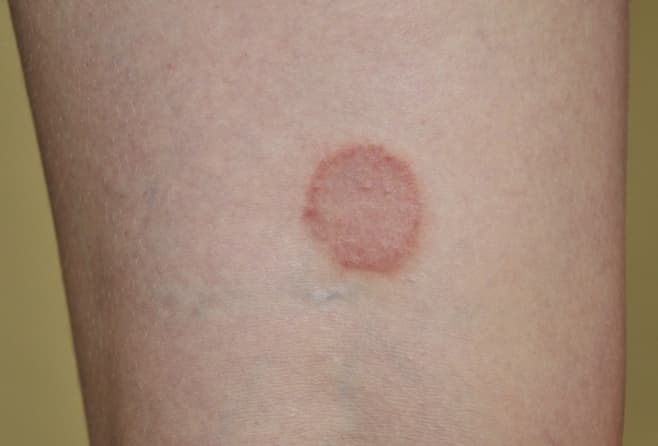


About Colorectal Cancer

Colorectal cancer is a type of cancer caused by uncontrolled cell growth found in the colon (rectum) or in the appendix. It is also known as bowel cancer, colon cancer, or rectal cancer. The cancerous cells are first produced in the bowel; if left untreated, they spread to the muscle layers found underneath and then to the bowel, penetrating its wall.

Common symptoms of colorectal cancer include rectal bleeding and anemia. However, these might not seem like clear signs of colorectal cancer: anemia might have various causes, while rectal bleeding might be caused by hemorrhoids. In this case, other symptoms play an important role; this includes nausea or vomiting, constantly worsening constipation, blood in the stool,  loss of appetite, and weight loss.

An obstruction might be a sign of colorectal cancer, as well – this means a rectal mass that becomes too large prevents the normal passage of stool. This will cause constipation and pain during bowel movements, as well as abdominal cramps. Also, the stool will be really narrow in size. Plus, another sign of colorectal cancer could be the sensation that you have not completely eliminated everything after bowel movements.

Colorectal cancer can easily be diagnosed through a tumor biopsy, which is usually done during sigmoidoscopy or colonoscopy. Then, to check the extent of the disease, it is recommended to do a CT scan of the chest, abdomen, and pelvis. The stage of the disease is done through a TNM cancer staging system, which determines how much the tumor has spread, as well as if there are lymph nodules or metastases.

The causes of colorectal cancer differ from one person to another. Common causes include older age, obesity, smoking, a high intake of fats, alcohol, and/or red meat, and lack of physical exercise. Also, it appears that men are at a higher risk of getting colon cancer than women. Those who have inflammatory bowel disease (Chron’s disease, ulcerative colitis) have a higher risk of developing colon cancer, as well as those with a family history of colorectal cancer.

Prevention and Treatment

In order to prevent colorectal cancer, it’s important to pay attention to the things we eat and drink. You should eat less red meat and more fruits and vegetables. It’s also recommended to choose whole grains over processed grains, stop smoking, and drink less alcohol. Of course, don’t forget to drink lots of water!

Physical activity – or lack thereof – plays an important role when it comes to colorectal cancer. It was discovered that people who exercise more reduce the risk of getting colorectal cancer. Try to do at least 30 minutes of physical exercise on five or more days per week.

If you know you’re at a high risk of developing colorectal cancer (either genetically or because of inflammatory bowel diseases), you should take medication that will lower this risk. Usually, aspirin and celecoxib are recommended in this case. However, you should not take them if you are not at a high risk of getting this type of cancer.

If you’re at the stage where you actually need treatment, you should know first that treatment of colorectal cancer depends on the patient’s health and the stage of cancer. If it is discovered in its early stage, colorectal cancer can be cured through surgery. If it is found in later stages (especially with metastases), the recommended treatment is palliation, in order to relieve symptoms of cancer. Chemotherapy might also be recommended when it comes to treating colorectal cancer.

Natural Remedies for Colorectal Cancer

Treating colorectal cancer through natural remedies, regardless of the stage of cancer, might not lead to the best results: it is quite difficult to completely treat cancer through natural methods. However, you can alleviate symptoms of cancer or slow down the process.

It appears that a high intake of vitamin D, vitamin B9 (folate), and quercetin are linked to reducing the risk of getting colorectal cancer. You can get all three naturally from various fruits and vegetables. You can get vitamin D from eggs, cow milk, mushrooms, sardines, and fish (herring, salmon, mackerel). Folate can be found in spinach, asparagus, beans, peanuts, sunflower seeds, and fortified cereals. Last, you can get a high amount of quercetin by eating onions, apples, and berries.

Fruits and vegetables that are rich in antioxidants are also recommended if you’ve got colorectal cancer. If you’ve got low antioxidant levels, it means that your body becomes the perfect environment for cancer. To prevent this, eat colorful fruits (berries, pomegranates, apricots, avocado, grapes) and vegetables (carrots, broccoli, tomatoes, red cabbage).

Foods rich in selenium are also a great choice, as selenium inhibits the growth of colon cancer cells and even promotes their death.  Make sure you eat garlic, onion, mushrooms lots of fish (sardines, salmon, tuna), and whole grains (wheat germ, brown rice). Fish is definitely a must, as you get a high amount of omega-3 oils, as well.

Although both were already mentioned, garlic and onions deserve a paragraph of their own, as they are extremely beneficial to the colon. Both contain various phytochemicals (allicin) and flavonoids that help detoxify the colon, getting rid of bacteria, parasites, and harmful chemicals. Consumption also helps reduce inflammation, shrink tumors, prevent the formation of more cancer cells and promote the death of cancer cells.

Drinking tea has its benefits, as well. White tea and nettle tea are known to help prevent the appearance of colorectal cancer. Green tea is also recommended, as it can help during the treatment. Chickweed tea helps prevent, as well as treat colon cancer, as it relieves inflammation and slows down the growth of colon polyps. Red clover tea and rosemary tea helps detoxify the body and therefore remove cancer-causing substances. Other teas that can help with colorectal cancer are cardamon tea, psyllium tea, wheatgrass tea, chaste berry tea, ginseng tea, Ceylon tea, ginger tea, parsley tea, oregano tea, and basil tea.

Use a lot of olive oil when you’re cooking, as it is known to have anti-cancer properties. Also, use spices and herbs (garlic, rosemary, ginger, peppermint, sage, thyme, parsley, basil), though remember that it’s better to eat than fresh and uncooked. If they are cooked, they become less beneficial, as they lose many of their properties.

Side Effects

In order to make sure you won’t get any side effects, it’s important to check with your doctor and see if it’s safe to take these natural remedies for colorectal cancer. Based on other health problems and/or medication you might be taking, the effects of the remedies might be lost or the plants might interfere and lead to side effects.

Also, don’t forget to check for any allergies. If you don’t know whether you’re allergic to a particular plant, yet you’re consuming it, watch out for common symptoms of allergic reactions: swelling of the lips and tongue, skin rashes, and difficulty in breathing. If you notice you’ve got some of these symptoms, stop consuming that particular plant and contact your doctor as soon as possible.

Lastly, don’t forget: these natural remedies for colorectal cancer aren’t meant to cure cancer. However, they still play an important role when it comes to preventing or promoting the treatment of colorectal cancer, especially as they are all-natural.

https://chart.googleapis.com/chart?chs=150&cht=qr&chl=https://www.consumerhealthweekly.com/natural-remedies-for-colorectal-cancer/?Natural Remedies For Colorectal Cancer

Natural Remedies for Dermatitis

Natural Remedies for DermatitisThe word “dermatitis” is of Greek origin – “derma” means skin, while “itis” is a suffix added to nouns in order to denote a disease that causes inflammation. This already helps us understand what this skin condition is all about. Now all that’s left is to find out more about natural remedies for dermatitis!

About Dermatitis

Dermatitis is an inflammation of the skin, more commonly known as a rash. In most cases, it refers to the symptom of an allergic reaction, though the term is sometimes also used for eczema. In many languages, the two are actually synonyms. However, dermatitis is an acute condition (short-lasting), while eczema is a chronic one (long-lasting).

The main symptom of dermatitis is dry, red, itchy skin. In some cases, this can also be accompanied by swelling of the skin, skin lesions, and blisters. Other symptoms depend on the type of dermatitis you have. Dermatitis herpetiformis is characterized by small, red, itchy bumps that can be found on the back, shoulders, elbows, knees, neck, and scalp. Seborrheic dermatitis affects the scalp, which becomes covered in white-yellow flakes. Last, perioral dermatitis means having a red, bumpy rash only around the mouth.

Dermatitis can be caused by various factors: particular health conditions (especially immunity problems), genetic factors, allergies, or irritants. Irritants include cleaning products, such as detergents, soaps, or bleach, while allergens include jewelry, metal (nickel), rubber, fiberglass, cosmetics, perfumes, and various plants. It can also be caused by a deficiency of vitamin B3 (niacin).

Tips for Treating Dermatitis

Various creams and lotions can help treat dermatitis. You can apply a thin layer of calamine lotion 2-3 times a day. You can also try some hydrocortisone cream, especially if the dermatitis is caused by an allergic reaction to something. It has anti-inflammatory properties and it will help get rid of the itch.

Even if it’s itchy, you shouldn’t scratch the irritated skin; if you break the skin, this might lead to an infection. It’s better to rub the skin with your fingertips than to scratch it with your nails. Also, keep your nails short and clean, just in case you happen to scratch your skin by accident.

Don’t wear jewelry that contains nickel, especially in hot weather. If possible, coat your nickel jewelry with some clear nail polish. Even 14 karat gold can have some nickel, so your skin reacts strongly to it, it’s best to buy 24 karat gold jewelry. You can also wear jewelry made from platinum and stainless steel.  Also, be careful when it comes to ear-piercing: make sure the needle used is stainless.

It’s best to wear loose clothes made only of natural fabrics (cotton). Always wash new clothes before wearing them, in order to remove chemicals that have been used to treat the fabrics. It’s also recommended to rinse your clothes twice.

Hydrate your skin by taking a shower or a relaxing bath. Use warm water, not hot, and stay inside the shower or bathtub for 15-20 minutes. Try to avoid soap, or use gentle ones and rinse your skin properly. Remember to use moisturizer throughout the day, so that your skin won’t become too dry. Also, protect your skin from poisonous plants and from sunburns; for the latter, it’s recommended to use a sunscreen with SPF15 or higher.

Natural Remedies for Dermatitis

A simple way of cooling the itch and swelling is by using cool compresses. You can soak them in cool water and keep them on the irritated skin for 10-15 minutes, every hour or two. You can soak them in milk and use them, as well. Also, when it comes to taking a relaxing bath, you can add oatmeal (one cup of powdered oatmeal) or baking soda. Both will soothe the skin.

Herbal medicine can do wonders when it comes to treating dermatitis. Burdock and red closer have detoxifying and purifying properties, which are also good for the skin. Chamomile flowers can be used to prepare a cold infusion (first boil, then let it cool and add ice cubes) which you can use to soak the skin for 10-15 minutes – compresses work, too. Other useful herbs include licorice, calendula, and ginkgo Biloba. All can be prepared and used as an infusion.

A mix of herbs can also be useful for your skin. Take a bowl and add two cups of water, one teaspoon of comfrey root, one teaspoon of slippery elm bark, and one teaspoon of white oak bark. Mix together and then let it boil for about 30 minutes. Once it cools, use it to wash your skin.

You can also make a paste of almond leaves. Take some fresh almond leaves, add them to a cup of water and crush and mix until you get a smooth paste. Apply it to your skin, let it sit for 3-5 minutes, then clean the skin with lukewarm water.

Coconut oil is known for its anti-microbial properties, which makes it a great choice when it comes to treating dermatitis. Use virgin coconut oil, warm it and apply it to the skin, rubbing gently. It will also help moisturize your skin.

Other things which you can apply to the affected area include apple cider vinegar, honey, and aloe vera gel. You can soak a clean cotton ball in apple cider vinegar to apply it to your skin; wash it off after a few minutes. Aloe vera gel can be used similarly, even when it’s applied several times a day. Last, honey should be diluted in a bit of water, in order to make it easier to apply.

Lastly, both vitamin B3 and vitamin E are known to be good for your skin. You can get them naturally by eating various foods. You can find lots of vitamin B3 in fish (tuna, salmon, mackerel); chicken and turkey breast; lamb, beef, and chicken liver; roasted peanuts; sunflower seeds; avocado; mushrooms, and green peas. Also get your daily dose of vitamin E from nuts and seeds (almonds, hazelnuts, pistachios, sunflower seeds), fortified cereals, spinach, broccoli, tomatoes, asparagus, bell peppers, avocado, olive oil, and shrimps.

Side Effects and Contraindications

You don’t have to worry about side effects caused by natural remedies for dermatitis. However, it’s better to check for possible allergic reactions, especially as one common symptom is skin rashes. Also, if you’re taking any medication, talk with your doctor in order to make sure a particular natural remedy won’t interfere with your medication.

As for contraindications, avoid products that end in “caine” and topical antihistamines, as they are known to cause allergic reactions. Read all the labels before buying/trying a product, even those that are marked as “hypoallergenic”.

https://chart.googleapis.com/chart?chs=150&cht=qr&chl=https://www.consumerhealthweekly.com/natural-remedies-for-dermatitis/?Natural Remedies for Dermatitis

Natural Remedies For Esophageal Cancer

Natural Remedies For Esophageal CancerEsophageal cancer can be difficult to treat, especially if it is discovered in one of its late stages. While surgery remains the best solution, natural remedies are often recommended as well, as they can improve the patient’s general condition and even help treat cancer. Find out more about the natural remedies for esophageal cancer!

About Esophageal Cancer

Esophageal cancer is a type of cancer that affects the esophagus. There are two types of esophageal cancer: squamous cell carcinoma (cancer begins in the cells lining the upper part of the esophagus) and adenocarcinoma (it begins in the cells present at the junction of the esophagus and stomach; these cells deal with the production and release of mucus). Squamous cell carcinoma is quite similar to head and neck cancer, especially since it is often associated with smoking and consumption of alcohol. Adenocarcinoma, however, can be caused by gastroesophageal reflux disease and Barrett’s esophagus.

People over 60, especially men, are at a higher risk of getting esophageal cancer. As already mentioned, alcohol and smoking often play an important role, as well. Of course, like most types of cancer, esophageal cancer is hereditary, as well. If you’ve got relatives that have had cancer, you’re also at risk of getting cancer. Other health problems can also increase the risk of getting esophageal cancer, like achalasia, the Plummer-Vinson syndrome, or celiac disease, as well as infection with human papillomavirus or a medical history of head/neck cancer. Other factors that can influence the risk of getting esophageal cancer include corrosive injury of the esophagus, radiation therapy, or thermal injury of the esophagus.

Common symptoms include dysphagia and odynophagia; dysphagia means having a difficult time swallowing something, while odynophagia means experiencing pain when swallowing something. Fluids and soft foods are rarely a problem, but hard or bulky foods might be difficult to swallow. Other symptoms include loss of appetite, weight loss, pain behind the sternum or in the epigastrium, and a raspy, hoarse-sounding cough. Esophageal cancer can also interfere with normal peristalsis (the swallowing reflex), which can lead to nausea, vomiting (even with blood), coughing, and regurgitating food.

Esophageal cancer is known to have four stages. Stage I means cancer can be found only in the top layers of the cells, while during stage II, cancer goes to the deeper layers of the cell lining. During stage III, cancer has penetrated the wall of the esophagus and has spread to the tissues or lymph nodes. The last stage means cancer has spread to other parts of the body (liver, lungs, bones).

Prevention and Treatment

Preventing esophageal cancer is pretty difficult, even for those who are at a high risk of getting it. You can significantly reduce the chances of getting cancer if you stop smoking or consuming alcohol. Also, it appears that moderate consumption of beverages that contain caffeine can decrease the risk of getting esophageal cancer.

What you eat also matters a lot. It is generally recommended to eat lots of fresh fruits and vegetables. However, in order to decrease the risk of esophageal cancer, it is recommended to eat foods that are high in cruciferous. This includes broccoli, Brussels sprouts, cabbage, and cauliflower.

Diagnosis of esophageal cancer is done with the help of an esophagogastroduodenoscopy or, to call it by its shorter name, an endoscopy. This means that a flexible tube is inserted through the mouth and pushed down the throat, in order to examine the wall of the esophagus. Additional tests are needed in order to note the stage.

In many cases, esophageal cancer is discovered when it has reached a late stage because people do not associate its common symptoms with a type of cancer. Small tumors can be removed through surgery (esophagectomy), though large ones are not operable in most cases. In this case, the only solution is palliative care, though their growth can be slowed down with the help of laser therapy, chemotherapy, or radiotherapy.

Natural Remedies for Esophageal Cancer

Curing esophageal cancer with the help of natural remedies might prove to be quite difficult, especially if the cancer is discovered in a late stage. However, some of these natural remedies can slow down the progress of cancerous cells and help with the overall treatment.

A mix of honey and both turmeric and ginger can help, as they all work to kill the cancerous cells. It is recommended that you take two teaspoons of honey with one teaspoon of turmeric. On the next day, you should take two teaspoons of honey with one teaspoon of ginger. Then, go back to turmeric. Remember to alternate between ginger and turmeric.

Essiac tea is often recommended to cancer patients, as consumption can help shrink tumors and get rid of the pain. Other herbal teas can help, as well; you can drink peppermint tea and Ceylon green tea.

It is believed that black raspberry can help treat and/or prevent esophageal cancer, as well as other types of cancer (colon cancer, skin cancer). It appears that they contain anthocyanins (a class of flavonoids); they are known to inhibit cancer cell growth and promote apoptosis (death of cancer cells). Anthocyanins can also be found in other types of berries (blueberries, cranberries, blackberries, blackcurrant), as well as in cherries, black rice, Concord grapes, Muscadine grapes, and red cabbage.

Vitamin A is also known to help shrink the size of tumors. You can get it naturally from dark leafy greens, lettuce, carrots, sweet potatoes, dried herbs, or dried apricots. You can even prepare a vegetable juice, as long as the main ingredient is carrot. However, don’t forget that it’s better to eat these fruits and vegetables fresh and uncooked. If they are cooked, they become less beneficial, as they lose many of their properties.

Side Effects

Although these remedies involve the use of natural fruits, vegetables, and herbs, it is still recommended to check with your doctor first before using one of them, especially if you’re already taking a particular type of medication.

You should also avoid any plant that you might be allergic to. If you’re not sure, watch out for common symptoms of allergic reactions: swelling of the lips and tongue, skin rashes, or difficulty in breathing. If you notice any of these symptoms, contact your doctor at once.

Also, remember that these natural remedies don’t promise to cure esophageal cancer. However, they can help treat cancer and improve your condition.

https://chart.googleapis.com/chart?chs=150&cht=qr&chl=https://www.consumerhealthweekly.com/natural-remedies-for-esophageal-cancer/?Natural Remedies For Esophageal Cancer

Natural Remedies For Gastroparesis

Natural Remedies For GastroparesisGastroparesis is a digestive disease that can lead to various complications if left untreated. In order to avoid these, it’s best to look for the best treatment. Your doctor might recommend you some medication, but you can also try some natural remedies, as well as plan your diet in order to help both digestion and the emptying of the stomach. Find out more about natural remedies for gastroparesis!

About Gastroparesis

Gastroparesis, also known by the name delayed gastric emptying, is a disease of the muscles of the stomach or the nerves responsible for controlling the muscles; it occurs when the muscles stop working as they should, which leads to a paresis (partial paralysis) of the stomach. Because of this, the food is not ground properly and it remains in the stomach for a longer period of time than it usually should.

This disease may be caused by various acute illnesses (diabetes mellitus especially, as well as anorexia nervosa, bulimia nervosa, neurological diseases, and connective tissue diseases) or by unusual eating patterns. It can also occur as a consequence of particular types of cancer treatment or drugs which are known to affect the digestive process. Other causes, less common but still possible, can be damage caused to the vagus nerve (the nerve that controls the stomach’s muscles), imbalances of minerals in the blood, thyroid disease, or heavy smoking.

Sometimes, people are faced with idiopathic gastroparesis – that is, gastroparesis that has no known cause. In this case, it is believed that the stomach disease might be caused by an autoimmune response triggered by an acute viral infection.  Also, it appears that this disease occurs more in women than in men, either because women have a slower stomach emptying time than men, or because of hormonal causes.

The most common symptoms of gastroparesis are diarrhea, nausea, and vomiting after meals, especially of undigested food. Other symptoms include abdominal pain and bloating, palpitations, heartburn, unusual blood glucose levels, spasms of the stomach wall, early satiety, lack of appetite, and weight loss.

If left untreated, gastroparesis can lead to various complications: severe fatigue and weight loss, fluctuation in blood glucose levels, intestinal obstruction, and bacterial infection.

Diagnosis and Treatment

Gastroparesis is often diagnosed by using a nuclear medicine test known as gastric emptying study; this test helps check how long it takes for the emptying of food from the stomach. The patient is given solid food, liquid food, or both; the food contains small amounts of radioactive material Then a scanner is placed and kept over the stomach, in order to check the amount of radioactivity found in the stomach. If the patient has gastroparesis, it will take longer than usual for the stomach to empty the food into the intestine.

Other methods of diagnosis are into-duodenal motility study, electrogastrograms, upper gastrointestinal endoscopy, a CT scan of the abdomen, and upper gastrointestinal X-rays. Some of these methods are also used to exclude cancer, as well as other diseases which can prevent the normal process of emptying the stomach.

The treatment recommended for people who have gastroparesis includes several elements: a new diet, medications (that help relieve nausea, vomiting, and abdominal pain), and devices or procedures that can help empty the stomach.

The diet for patients with gastroparesis involves soft foods or even only liquids, in some cases. Foods that are rich in fat and dietary fibers are not recommended. Also, patients should eat smaller and more frequent meals – 6 small meals are better than 3 big meals.

Natural Remedies for Gastroparesis

First, both acupuncture and electroacupuncture are recommended, as both can help relieve symptoms of gastroparesis. Four weeks of regular treatment can improve one’s general condition, as it reduces nausea, vomiting, and bloating.

Various herbs can help treat symptoms of gastroparesis. Popular choices include ginger, peppermint, lavender, and melissa/lemon balm. Ginger is a favorite, as it is known to accelerate the emptying of the stomach. Lavender reduces pain and has a calming effect on the stomach, lemon balm improves your appetite and your digestion, and peppermint relieves nausea. It is recommended to prepare an infusion of the herbs, as this is the most natural way to make use of their benefits. You can also look for herbal supplements, though make sure you’re taking the right dose.

You can also relieve gastroparesis symptoms with Swedish bitter. This herbal concoction can help improve the whole digestive process, including the emptying of the stomach. It is recommended to take one tablespoon before each meal.

Apple cider vinegar is also recommended before meals. You can either take a teaspoon or dilute a small amount of apple cider vinegar into a glass of water. This will help relieve pain and bloating, as well as improve your digestion. You can also try coconut oil: dilute a tablespoon into half a cup of warm water and drink it before every meal.

Aloe vera juice can also be used to treat gastroparesis. It can be mixed with your drink (smoothies, fruit or vegetable juices, or even water) and consumed before meals. It helps relieve bloating and improve the whole digestive process. However, remember that it’s recommended not to consume more than 200ml/day.

Diet for Gastroparesis

If you’ve been diagnosed with gastroparesis, this means you have to make some serious changes to your diet. These changes aim to make it easier for your stomach to digest food and therefore help your stomach gradually empty it faster than it used to.

First, based on how severe your condition is, your doctor will decide whether you can eat soft foods or if you need to go on a liquid foods diet for a while. It’s better to eat six smaller meals a day than have three larger meals; this means you have to restrict meal volumes while increasing meal frequency. Also, the food should be chewed well and it’s best to drink a lot of liquids during the meal (unless liquid emptying is also slow). Don’t forget that it’s best to eat more early in the day (especially solid foods) and that you shouldn’t lie down 4 hours after the meal; go for a walk or do small physical exercises.

If you’ve got gastroparesis, you should avoid fat and dietary fibers. This means you should go for a very low-carbohydrate diet with very little or even no fat. Therefore, you should not eat bacon, salami, cheese, whole grains, cooked celery, cabbage, corn, beans, cauliflower, and raw vegetables.

Other foods that you should avoid are dairy products, hot and spicy foods, oily foods, and fruits and vegetables that contain substances that cannot be digested (for instance, oranges, bananas, and broccoli). Also, you shouldn’t consume caffeine, alcohol, nuts, and raw mint. Smoking is another no; stop it, as it can worsen gastroparesis symptoms.

It’s best to eat pureed food: meat, fruits, vegetables, cereals; anything should be pureed as this way, it is easier for the stomach to digest them. Strain before eating, in order to take out any parts of solid food. You can also cook and eat peeled tomatoes potatoes, mushrooms, and squash.

In order to make sure you’re getting the necessary amount of proteins, you can choose skinless chicken and turkey meat (grounded or pureed, of course). You’re also allowed to eat tuna, scallops, egg whites, and low-fat cheese and yogurt. Other recommended foods include white rice, white bread, and white pasta.

It’s important to drink a lot of liquids. Water is a must! Fruit juices and vegetable juices are also recommended, as well as protein shakes and fortified milk. And don’t forget that you can also consume clear soups and broths.

Side Effects

As the remedies and the foods included in the diet are all-natural, you shouldn’t worry about any side effects. However, make sure that what you’re eating or taking won’t interfere with any type of medication you’re taking. Also, check for allergies or watch out for common symptoms of allergic reactions (skin rashes, difficulty in breathing, swelling of the lips and tongue).

https://chart.googleapis.com/chart?chs=150&cht=qr&chl=https://www.consumerhealthweekly.com/natural-remedies-for-gastroparesis/?Natural Remedies For Gastroparesis

Use These Yogurt Face Masks And Improve Your Health!

Use These Yogurt Face Masks And Improve Your Health!It’s true that there are many ways to make sure that your skin looks flawless all the time, but we think that, before spending all your money on cosmetic products, why not try a few natural tips and tricks? You’ve probably heard about the great health benefits of yogurt, which are due to the lactic enzymes present in its composition. This being said, aside from using yogurt to bring release from sunburns, you can also prepare yourself a few natural face masks:

Yogurt and honey mask

This is probably the most famous yogurt mask, being used for many skin problems, from acne, and psoriasis to blackheads, rashes, and sunburns. If you’re dealing with any of these ailments, prepare the mask as follows: mix a tablespoon of yogurt with a teaspoon of honey and apply the resulting mixture to your face. Wait 15 minutes for the health benefits to be released and remove the treatment with a wet cloth or lukewarm water. If your skin is oily, you can use an astringent solution beforehand, in order to reduce the sebum production. Chamomile extract might be a great choice, for example.

Yogurt and apple vinegar mask

For those of you who are suffering from acne, oily skin, and occasional pimples outbursts, this mask is the best thing to do. First of all, take a steam bath and carefully remove the blackheads. Then, prepare the following composition: ½ teaspoon of apple vinegar, 1 tablespoon of plain yogurt, and a drop of olive oil. When the mixture becomes creamy, apply it to your face and stay like this for 8 minutes. Use a hot towel to remove the mask and wash with cold water. Apply a good moisturizer afterward and try to get some sleep, during which your pores will absorb all the health benefits.

Yogurt and strawberry mask

Alright, so you’re looking for a natural way to exfoliate your skin? Why not try this yogurt and strawberry face mask? All you have to do is mix two smashed strawberries with a tablespoon of plain yogurt and massage your skin with the resulting mixture for 2 minutes. You can leave the treatment on for a little while, in order to allow your skin to process all the beneficial enzymes.

Yogurt and lavender extract

This is more of a cleansing and relaxing mask that can be used whenever you feel like your skin has been exposed to a toxic environment. You can either buy the lavender extract from a trusted provider or prepare it yourself at home, by macerating a handful of lavender flowers in a cup of vodka. Keep this mixture in a sealed jar, away from light and heat, so that there will be no discolorations. To prepare the mask, you’ll only need three drops of this extract and a tablespoon of plain yogurt. You can also add a few smashed peppermint leaves. Paint your face with this mask and stay like this for half an hour. Remember to use this mask weekly if you’re also dealing with acne and oily skin.

Yogurt, mint, and watermelon mask

Fortunately, everybody can use this deeply nourishing mask, no matter the skin type. Prepare it as follows: mix a small piece of watermelon with three smashed mint leaves and a tablespoon of plain yogurt and apply it to your face. Leave it on for almost half an hour and wash it off with lukewarm water. Use a small drop of olive oil afterward or a good moisturizer.

If you have other beauty tips that involve yogurt, please join our conversation on Facebook and tell us more. Until next time, stay healthy, stay positive!

https://chart.googleapis.com/chart?chs=150&cht=qr&chl=https://www.consumerhealthweekly.com/use-these-yogurt-face-masks-and-improve-your-health/?Use These Yogurt Face Masks And Improve Your Health!

Ageless Beauty: Achieve It Using Natural Ingredients!

Ageless Beauty: Achieve It Using Natural Ingredients!Ladies, are there any of you who doesn’t want to be forever young? Well, we’d like to look our best all the time, not just in our twenties and this is why we are doing our best to preserve our soft and flawless skin. First of all, there are a few rules you must follow in order to make sure that there are no toxic or unsanitary substances left on your face:


  • Always remove the makeup before going to sleep. You can either use special wipes or prepare a natural lotion, with olive oil and chamomile extract, but make sure to avoid the eye area.
  • Apply a good moisturizer before going to bed and once more before applying your makeup, in order to provide some sort of protection against blackheads and other skin problems.
  • Once a week, apply a natural face mask, which can be prepared at home. You can pick one of these.
  • Scrub your entire body twice a week, using gentle scrubs, or twice a month, if your scrub has a very harsh action.
  • Always use sunscreen before going out, even if the weather is cold. Due to global warming, the UVs are strong all the time, not just during summer.
  • Take good care of your feet and hands as well, because, no matter if your face looks perfect, the skin in these areas will always tell your real age. Apply a considerable amount of cream whenever you have the chance: in the morning, in the evening, or between tasks at work.

Anti-aging treatments

And now let’s get to the actual ageless beauty techniques. Aside from exfoliating your skin as often as you can, there are a few natural remedies that can be used as well:

  • Use natural oils to preserve the softness of your skin. You can either buy these products from a trusted provider or prepare them yourself at home, by boiling a cup of sunflower oil with a handful of different plants.
  • Prepare a wide range of plant extracts at home by macerating freshly picked herbs in alcohol (like vodka, for example). You can use them as antiseptic solutions, whenever you are dealing with a cut, a bruise, or an open wound. Just make sure you don’t pour too much on the affected area or you may cause unnecessary burns.
  • Use salt when taking a bath. Sometimes, there are skin problems that we aren’t even aware of. The salt may sting a bit, but it will also enhance the healing process. Plus, it will also help eliminate toxins from your skin, especially if you’ve been exposed to smoke, kitchen steam, and so on.
  • Only take pills if you really have to. Recent studies have proved that medication ages the liver and trigger a chain reaction that always leaves marks on our faces. For example, those dark circles under your eye may be a sign of a health problem and not a skin ailment. If you’ve been using cosmetic products for a while and nothing worked for you, talk to a specialist as soon as possible.
  • Take good care of your hair as well: trim it every three months, dye it using natural pigments and use a natural hair mask once a week. Try to use the flat iron or the curler as rarely as possible and go for braids instead.

If you think about it, ageless beauty is not something impossible to achieve, but it does require a lot of time and attention. Aside from the tips and tricks described above, we also like to drink teas in order to enhance our immunity. Plus, you should eliminate all acid foods and drinks from your dietary habits. Follow these simple rules and you’ll never show your age! Remember: stay healthy, stay positive!

https://chart.googleapis.com/chart?chs=150&cht=qr&chl=https://www.consumerhealthweekly.com/ageless-beauty-achieve-it-using-natural-ingredients/?Ageless Beauty: Achieve It Using Natural Ingredients!

Best Beauty Tips

Best Beauty TipsWhen it comes to preserving our natural beauty, there are many ways in which we can benefit from the wonderful miracles of technology. Fortunately for some of us, there are many cosmetics that could actually work, but, considering the fact that each type of skin is unique, it would mean that we all need a cream that was specially created for us.
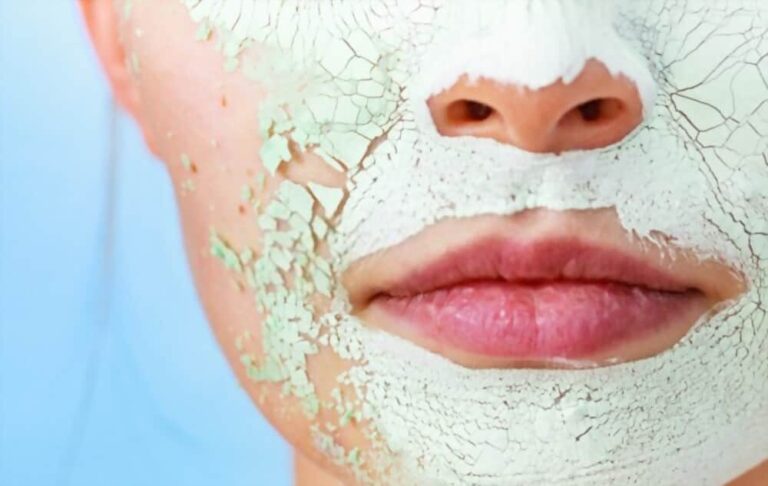
And since this is not possible, I think the best thing to do is to combine different natural remedies and see which ones might work for us.

In fact, there are no ideal beauty tips, but it’s true that some of them can really help you regain your long-lost youth or energize your entire body. This is why, before going for treatment of another, write down a few things:

  • What type of skin do you have? If you don’t know the answer to that question, press a tissue against your forehead. Are there any traces of oil? If so, your skin is oily. Otherwise, is dry or normal.
  • How often do you walk in heels? You may not know this, but too much tension in your feet can damage your skin and even lead to varicose veins. Also, you may encounter heart problems and arthritis.
  • How much time do you spend in the sun? If you are used to long walks and beach time all year round, you need to make sure that you apply a considerable amount of sunscreen, no matter the season. Due to global warming, UVs are stronger than ever.
  • Do you exercise on a regular basis? You definitely should! First of all, in order to make sure you maintain a good body posture, and second because doing so will decrease your chances to gain weight. Not to mention how important it is for your skin, lungs, and even hair! Never underestimate the power of a good workout!
  • What makes you happy? Don’t frown; being in a good mental state is just as important as eating healthy food. When you are down on yourself, the nervous system consumes a lot of neurons and burns all the proteins a lot faster than it should. This is why, when depressed, people tend to lose weight. Don’t think that this has no repercussions on your body: wrinkles, dark circles under your eyes, liver and kidney problems, and severe migraines.

Write down the answer to all these questions and you’ll be able to reconstruct your beauty profile. Based on it, you’ll make all your future decisions.

Face and skin

Follow a beauty routine that contains all the important ingredients: a thorough cleansing process, a good moisturizer, and a set of natural masks. This is extremely important, especially if you usually apply a lot of makeup on your face. You can read our articles on how to prepare each and every one of these beauty enhancers.

Hands and feet

Both the cold and the warm season will leave marks on them, so no matter how careful you are about the wrinkles on your face, your hands and feet will most probably give away your true age. The best idea is to scrub your entire body at least once a week, using a natural scrub, and to apply creams and ointments that are rich in natural oils. You can actually prepare your own beauty supplies at home if you follow these instructions.

Hair

Hair deserves a special place since, if taken care of properly, can be the most valuable piece of jewelry. First of all, there is no rule that stops you from washing it as often as you want! If you don’t mind doing this every night, it’s your choice. Remember to use a quality shampoo and to apply a natural hair mask at least once a week. Depending on what you want to achieve from your hair, you can try a natural remedy against hair loss, one for shine, one to protect your color, or a mask against dandruff. The possibilities are endless!

https://chart.googleapis.com/chart?chs=150&cht=qr&chl=https://www.consumerhealthweekly.com/best-beauty-tips/?Best Beauty Tips

Skin Rejuvenation With Avocado Face Mask

Skin Rejuvenation With Avocado Face MaskJust like any other woman, we like to think that wrinkles will stay away from us for as long as possible, when the truth is that something must be done, because hoping may not be as effective as we think.
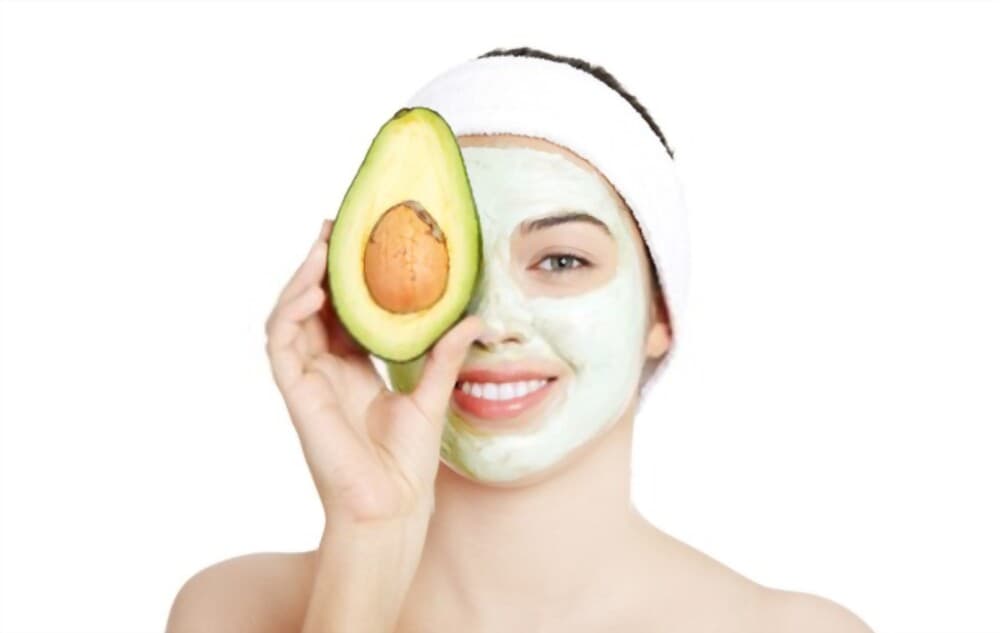
We’ve talked earlier about how important it is to have a set of rules when taking care of your entire skin, not just the one on your face. Aside from the usual teas, tinctures, and natural remedies that you can purchase online or from any herbal store, there are a few things you can do for your hair that won’t cost you a thing: use natural masks.

Today, we are going to talk about avocado and its amazing health benefits. This fruit is rich in various active constituents and antioxidants, such as vitamins A, B, C, D vitamins, K vitamin, and folic acid, but it can also be a wonderful source of fiber. Avocado contains 60% more potassium than bananas, meaning that you only have to eat a small piece in the morning in order to provide the daily amount for your body.

When added to your meals, avocado can fight osteoarthritis, bone sclerosis, or arterial pressure. However, if your problem consists of livid lips or dull skin, it’s important to know that avocado can also be useful. Let’s see how to use avocado in order to obtain a nice and soft skin:

Avocado mask with olive oil

All you need for this mask is a ripe avocado fruit and two tablespoons of olive oil. Throw these ingredients in the blender and keep them mixing until you obtain a thick composition that needs to be applied immediately to your face so that nothing goes away. This mask is designed for dry skin only, so you may want to avoid it if you wake up with a shiny face looking at you from the mirror.

Avocado and sugar mask

This mask is recommended for oily skin, pimples, acne, and other sebum imbalances. All you have to do is smash the pulp from a ripe avocado or mince it with the blender. Add a teaspoon of ground sugar and gently massage your entire face with it. After a few seconds, stop and leave the treatment work for 20 minutes. Wash it off with lukewarm water and wipe your face with a hint of chamomile extract, in order to disinfect your skin.

Avocado and grapefruit mask

Use this mask to bring relief from pain in case of acne and damaged skin. All you have to do is mix these two ingredients together in equal parts and then apply the composition all over your face. Stay like this for 15 minutes and then remove the mask with a wet cloth or lukewarm water.

Avocado, thyme, and lemon mask

This mask proved to be very efficient when trying to postpone wrinkles for as long as possible. The beauty of it is that you can use it no matter the skin type and that you may also use it for your neck, feet, hands, and so on. Gather the following ingredients: a handful of fresh thyme, half a lemon, and half an avocado fruit. Throw all these ingredients in the blender and let them mix for a minute. When they’ve turned into a thick paste, apply to the affected areas and massage gently. Wait half an hour for the health benefits to be released and then wash the mask off with warm water.

If you have other beauty ideas or recipes, feel free to share them on our Facebook page, and remember: stay healthy, stay positive!

https://chart.googleapis.com/chart?chs=150&cht=qr&chl=https://www.consumerhealthweekly.com/skin-rejuvenation-with-avocado-face-mask/?Skin Rejuvenation With Avocado Face Mask

Skin Problems? These Are The Best Moisturizing Masks!

Skin Problems? These Are The Best Moisturizing Masks!You’ve probably been looking for a face mask that is both nourishing and moisturizing but haven’t found anything yet. First of all, recent studies proved that not all expensive creams are efficient, which means that you will have to establish a new set of rules when deciding to buy a certain moisturizer.

Don’t just read the label and throw it in your basket, but try to gather as much information as possible! Another complaint linked to cosmetic products refers to the fact that some of them trigger allergic reactions like irritated skin, redness, and even swelling.

When I was little, I remember that my grandmother had this gorgeous skin with very few wrinkles and that other women her age looked a lot older. She never bought a face cream in her life but was always careful with her beauty routine. I stole her recipes and here is what I use today when I feel that my skin needs help:

Moisturizing mask with cucumber and peppermint

Although you can also use it for other problems, like acne and dryness, this mask proves to be extremely efficient in cases of soreness and dullness, thanks to the amount of water found in cucumbers. All you have to do is mix cucumber with a handful of peppermint leaves using the blender and then apply the resulting composition all over your dry areas. Fortunately, you can leave it on for as long as you like, so take advantage of this time and have a cup of coffee, read a few pages from a book or listen to your favorite song.

Apricots and grapes mask

Mix equal amounts of apricots and grapes using the blender and then apply the resulting mixture to your skin. If you don’t want to scrub your epithelial cells as well, remove the seeds before preparing the mask. Leave it on for 30 minutes and then remove it with lukewarm water. You can also use this mask for your elbows and knees after a long day at the beach.

Castor oil and chamomile extract mask

This type of treatment is designed for freckles, spots, and other similar skin problems. Mix the following ingredients: a tablespoon of castor oil, two drops of chamomile extract, and a drop of lemon juice. Use this mask to massage your face and leave the treatment on for at least 15 minutes. If it stings, just wait a minute and then wash it off with lukewarm water. You can have a steam bath afterward, in order to reduce and even eliminate this stinginess sensation.

Strawberry, lemon, and avocado mask

This is the most moisturizing mask on the list, so you’d better pay attention. Gather the ingredients and give them a good stir or just chop them using the blender. When the composition becomes a thick paste, apply it to your face and stay like this for half an hour. Remove it with a warm cloth.

Yogurt and honey mask

You got that right! There’s nothing more soothing than a tablespoon of yogurt! Plus, you may already have these ingredients in your kitchen, so why wait? Just mix equal parts of honey and yogurt and apply the resulting mixture all over your face. Wait 10 minutes for the health benefits to be released and then rinse with warm water, until your skin no longer feels sticky.

Have you got any other ideas? Just join our conversation on Facebook and let’s talk about what makes us beautiful! And let’s not forget: stay healthy, stay positive!

https://chart.googleapis.com/chart?chs=150&cht=qr&chl=https://www.consumerhealthweekly.com/skin-problems-these-are-the-best-moisturizing-masks/?Skin Problems? These Are The Best Moisturizing Masks!