Tea For Fibromyalgia

Tea For FibromyalgiaFibromyalgia is described as a generalized pain that could trigger health problems from almost every organ.

This is why it’s hard to tell which part of your body hurts the most.

Topically applying a compress is not going to be effective at all, since this affection is internal and needs to be treated adequately.

Fibromyalgia consists of soreness, nausea, vomiting, chronic tiredness, and a lack of patience. Usually, the main triggers for this disease are external: stress, standing too long, and an unbalanced diet.

How a Tea for Fibromyalgia Works

A Tea for Fibromyalgia’s main purpose is to calm the affected areas and bring relief to your pain. In order to do that, tea needs to contain the right amount of volatile oils, tannins, acids, nutrients, natural enzymes, and minerals (iron, sodium, magnesium, and manganese).

The active constituents in these teas will make your body produce extra-antibodies to fight pain and even prevent it from developing. In case you’re suffering from other health problems at the same time, these decoctions will treat them as well.

Efficient Tea for Fibromyalgia

In order to be efficient, a Tea for Fibromyalgia needs to show results as soon as possible and be one hundred percent safe. If you don’t know which teas fit best your problems, here’s a list for guidance:

Valerian Tea – was used since ancient times as a stress reliever and a very efficient sedative, Valerian Tea was very popular among Romans and Greeks who used to drink a cup of it before going to bed.

If you’re suffering from sleeplessness, chronic tiredness, anxiety, or stress, Valerian Tea could also be the right answer. Make sure you don’t drink more than 2 cups per day in order to avoid further complications (drinking too much Valerian Tea can lead to death).

Saint John’s Wort Tea – works as a great pain reliever, being helpful not only for fibromyalgia but also for cuts or open wounds (when applied topically). However, drinking more than 2 cups per day may lead to digestive tract ailments.


Green Tea – the scientists have proved that this tea contains all the ingredients necessary to sustain life, so you should have it in your medicine cabinet at all times. It’s also good for anxiety, stress, infertility, nausea, vomiting, asthenia, and anemia. Just make sure you avoid it at all costs in case you’re experiencing menstrual and menopausal symptoms (it may cause uterine contractions and a heavy blood flow).

Tea for Fibromyalgia Side Effects

When taken properly, these teas are generally safe. However, exceeding the number of cups recommended per day may lead to nausea, vomiting, headaches, migraines, uterine contractions, and even death.

Don’t take a Tea for Fibromyalgia in case you’re pregnant, breastfeeding, on blood thinners, anticoagulants, or preparing for surgery (some of the active constituents may interfere with your local anesthetic and cause cardiac arrest or strokes).

If you have the medical approval and you’re willing to give natural remedies a try, choose a Tea for Fibromyalgia that fits best your condition and enjoy its great health benefits!

https://chart.googleapis.com/chart?chs=150&cht=qr&chl=https://www.consumerhealthweekly.com/tea-for-fibromyalgia/?Tea For Fibromyalgia

Tea For Urinary Tract Infections

Tea For Urinary Tract InfectionsUrinary tract infections are caused by a number of internal and external factors.

This disease consists of gallbladder and kidney malfunctions and it sometimes leads to kidney stones, gallstones, and other urinary tract ailments.

Traditional medicine has developed a series of treatments during the last 50 years, but alternative medicine fans will advise against it, recommending an herbal treatment instead.

If you’re tired of taking pills for almost any health condition, give organic remedies a try and choose tea.

How a Tea for Urinary Tract Infections Works

A Tea for Urinary Tract Infections’ main purpose is to flush all infection triggers out of your system. Even if your condition is caused by bacteria, microbes, or other health problems (colds, flu, cancers, pleurisy, pulmonary edema, diarrhea), the active ingredients in these teas will restore your initial health in no time.

In order to do that, a Tea for Urinary Tract Infections needs to contain an important amount of nutrients, natural enzymes, volatile oils, acids, and minerals (iron, sodium, magnesium, and manganese).

Efficient Tea for Urinary Tract Infections

A Tea for Urinary Tract Infections is safe when is one hundred percent safe and when it shows results within hours. If you don’t know which teas are good for this affection, here’s a list for guidance:

Chamomile Tea – the world’s greatest panacea should never miss from your medicine shelves. It contains antiseptic and antibacterial agents which can get rid of all infection threads.

You can also take it in case you’re suffering from nausea, vomiting, anxiety, migraines, loss of appetite, anemia, asthenia, and many other problems. This Tea for Urinary Tract Infections has a pleasant taste and a lovely smell. Also, it’s one hundred percent safe, so you can take as much as you want!

Corn Silk Tea – used primarily for its healing properties, Corn Silk Tea is also a great relaxer that can make stress go away in no time!

However, since it has a strong diuretic and purgative property, it’s best to keep an eye on the amount of tea you drink. One or two cups per day for no longer than a week can do wonders for your health.

Peppermint Tea – another well-known panacea, Peppermint Tea can treat a wide range of health complaints, from diarrhea to nausea, vomiting, female reproductive problems, and respiratory system malfunctions.

This tea is also safe, so there’s nothing to worry about. If you’re thinking about giving up coffee, Peppermint Tea could be a great replacer.

Tea for Urinary Tract Infections Side Effects

When taken properly, these teas are one hundred percent safe. However, exceeding the number of cups recommended per day may lead to a number of health problems, such as diarrhea, upset stomach, or skin rash.

Talk to an herbalist or to your doctor before starting a treatment based on a tea for Urinary Tract Infections, in order to gather more information and to be aware of the risks.

If you have the medical approval, choose a tea that fits best your needs and enjoy its wonderful health benefits!

https://chart.googleapis.com/chart?chs=150&cht=qr&chl=https://www.consumerhealthweekly.com/tea-for-urinary-tract-infections/?Tea For Urinary Tract Infections

Tea for Ovarian Cysts

Tea for Ovarian CystsOvarian cysts are developed by many women around the world.

They usually appear on their own and disappear just as quickly as they appeared in the first place.

Some of them are small and abnormal growths, while some others can get bigger by the minute and cause serious damage, weakening your organism.

However, it’s best to schedule an appointment with your doctor in order to find out what you’re dealing with before rushing to the medicine cabinet.

How a Tea for Ovarian Cysts Works

A Tea for Ovarian Cysts’ main purpose is to make your body produce enough antibodies to dissolve the ovarian cysts and prevent others from developing. In the meanwhile, your body will be well-nourished and energized.

In order to be able to do that, a Tea for Ovarian Cysts needs to contain an important amount of active constituents, such as acids, volatile oils, tannins, nutrients, natural enzymes, and minerals (iron, sodium, manganese, and magnesium).

Efficient Tea for Ovarian Cysts

In order to work properly, a Tea for Ovarian Cysts needs to show results quickly and be one hundred percent safe. However, if you don’t know which teas are good for your health, here’s a list to choose from:

Raspberry Leaf Tea – is rich in vitamin C and well-known thanks to its ability to treat infertility. It has a pleasant taste and a lovely fragrance, but you can add ginger, lemon, mint, or honey to make it more adequate.

However, this tea contains an elevated level of acids, so you may want to be careful about how many decoctions you’re taking. One or two cups per day would be the normal dosage.

Chasteberry Tea – is generally prescribed to balance estrogen and its action is rather slow. It’s possible to wait several months before seeing the results.

Don’t forget that this is a medical treatment, so treat it like one! Don’t drink more than 3 cups per day and everything will be fine!

Red Clover Tea – contains a substance that can normalize your natural estrogen. This Tea for Ovarian Cysts has been used since ancient times as a great menstrual pain reliever and an important female reproductive system treatment. Just make sure you ask for medical advice before taking it!

Green Tea – contains all the ingredients necessary to sustain life, so it’s useful for a wide range of problems, from headaches, loss of appetite, nausea, tiredness, and sleeplessness to mild forms of cancer.

However, this tea contains an important amount of acids which may cause uterine contractions and internal bleedings. Avoid it at all costs if you’re experiencing menstrual or menopausal symptoms!

Tea for Ovarian Cysts Side Effects

When taken properly, these teas are generally safe. However, exceeding the number of cups recommended per day might lead to uterine contractions, upset stomach, or skin rash.

If you’ve been taking one of these teas for a while and you’ve noticed something unusual, ask for medical assistance right away! Don’t take a Tea for Ovarian Cysts if you’re pregnant, breastfeeding, on blood thinners, anticoagulants, or preparing for surgery.

If you have the green light from your doctor and there’s nothing that could interfere with your treatment, choose a tea that fits you best and enjoy its great benefits responsibly!

https://chart.googleapis.com/chart?chs=150&cht=qr&chl=https://www.consumerhealthweekly.com/tea-for-ovarian-cysts/?Tea for Ovarian Cysts

Acne Treatment: 7 Beneficial Teas

Acne Treatment: 7 Beneficial TeasIf you’re facing this problem, start a treatment based on teas. For better results, it is recommended that you take these teas both internally and externally since some of these plants have disinfectant, anti-inflammatory, and cicatrizing properties.

This is what makes herbs the best cosmetic product ingredients, especially when dealing with acne. In case you didn’t know, teenagers are not the only ones to suffer from this problem, but also young adults.

It is believed that one of the main causes of acne is the genetic factor, which transmits the information from the mother or father to the baby. Aside from the medical condition, acne can weaken self-confidence and lead to a very poor social life. Don’t let this issue affect your everyday life and try to get help as soon as you can.

Acne treatment: internal treatment

Pansy tea

This plant has anti-allergic and cleansing properties, which make it perfect for acne treatments. Prepare pansy tea as it follows: boil a teaspoon of pansies with 250 ml of water, strain and let it cool off. Drink 2-3 cups of this tea every day, half an hour before eating your meal. It is advisable to follow this treatment for at least one month in order to see the results. After a month, take a break and start it all over.

Burdock tea

When choosing an acne treatment, you should definitely give burdock tea a try because it has the ability to eliminate toxins from your body thanks to its antiseptic properties. Burdock can be found as an important ingredient in many cosmetic products, from face cleansers to night creams. All you have to do is prepare a burdock infusion using 3-4 teaspoons of burdock root and a liter of water. Drink the resulting tea within a day. If you want this solution to be more concentrated, you can double or triple the amount of burdock root and drink two cups of that concoction per day. This treatment should last for two months, with a 10-day break after the first month.

Dandelion tea

Dandelion has a very powerful diuretic action, increasing the elimination of the toxins from your body. This plant is also rich in vitamins and very beneficial for your body. It’s true that this tea has a bitter taste, but you can add honey and lemon to make it more adequate for your taste. Drink 2 cups of dandelion tea every day for a month in order to purify your organism and remove acne from your skin.

Acne treatment: external use

Green tea

This green tea is recommended for many skin problems, thanks to the fact that it has a very beneficial effect on your epithelial cells. It also has astringent anti-oxidant and anti-bacterial properties. Apply warm compresses on your face after taking off your makeup. This way, your skin will be hydrated and cleansed and it will look a lot shinier. Green tea fights acne, calms affected skin, and closes up dilated pores.

Calendula flowers tea

Calendula flowers tea has moisturizing, cicatrizing, and regenerating properties which can work miracles for your oily and irritated skin. Prepare a small amount of calendula flowers decoction and use it throughout the day, making sure it’s always fresh. Apply compresses on your affected areas every night, before going to bed. This acne treatment will calm the skin’s inflammations.

Chicory tea

Another efficient acne treatment is the one based on chicory tea because it can speed up the healing process and it is also recommended for oily skin. Prepare the following infusion: boil 3-4 teaspoons of chicory herb with a cup of water for 10 or 15 minutes, and then let it cool off and strain. Use this solution to cleanse your skin every night, before going to bed.

Hop Tea

If you have problems with acne and sebum, the hop tea might be just what you need, because it can prevent microbial infections. Boil a teaspoon of hop plant with a cup of water and use the resulting solution for compresses. Apply them to your affected areas after removing your makeup every night and early in the morning.

When choosing an acne treatment, try to give natural remedies a try before spending a lot of money on medication. This way, you’ll make sure that no chemicals will enter your body. Try one of these teas and see which on them fits your problem!

https://chart.googleapis.com/chart?chs=150&cht=qr&chl=https://www.consumerhealthweekly.com/acne-treatment-7-beneficial-teas/?Acne Treatment: 7 Beneficial Teas

Nettle Tea – Health Benefits And Side Effects

Nettle Tea - Health Benefits And Side EffectsIf you like drinking herbal teas, you should try a less well-known one: Nettle Tea. It has a refreshing, slightly bitter taste, but that shouldn’t be a worry: it can be sweetened easily. It has plenty of health benefits which you should focus on.

About Nettle Tea

Nettle Tea is made from nettle, an herb also known as ‘stinging nettle’. It is a herbaceous perennial flowering plant part of the Urtica genus. It grows in many places: Europe, Asia, northern Africa, and North America.

During summer, the nettle grows up to 2 meters, while during winter, it dries down to the ground. The green leaves are soft, 3 to 15 cm long, but with many hollow stinging hairs called trichomes; they can also be found on the stem. The trichomes inject chemicals that produce a stinging sensation when humans or animals come in contact with it. Also, it bears small flowers, greenish or brownish in color.

It has many medical uses, but the nettle can also be eaten (cooked similarly to spinach). Plus, it is one of the ingredients of alcoholic nettle beer.

How to prepare Nettle Tea

For a cup of nettle tea, just add a teaspoon of the dried herb to a cup of boiling water. Cover it and let it steep for about 10 minutes. Once you remove the herbs, you can drink it either hot or cold. You can add honey or lemon to sweeten its flavor.

Children especially love to add a slice of lemon to their cup of nettle tea. The reason is that you can change the tea’s color by adding lemon. From dark green, the tea will become pinkish.

If possible, you can also try to prepare nettle tea from scratch. Gloves and scissors will help you pick up the leaves. It is best to use the smaller ones, as the bigger and older leaves are bound to be bitterer. Carefully wash each and every leaf, to remove any soil and insects. Next, put the leaves in a pot, add enough water to cover them, and boil until the water turns slightly green. Remove the leaves, otherwise, the taste will become bitterer and bitterer. Just like earlier, add honey or lemon to your cup of nettle tea, to sweeten the flavor.

Components of Nettle Tea

The root and leaves are used in order to make nettle tea. They also transfer the many constituents found in nettle. Some of them include amino acids, glucidic substances, volatile oil, fatty substances, formic and acetic acid, panthotenic acid, and folic acid. Nettle also contains vitamins C, B2, and K, beta-carotene, calcium, and magnesium.

Nettle Tea Benefits

Thanks to nettle being its main ingredient, Nettle Tea has plenty of health benefits.

First of all, nettle tea is good for your joints and muscles. It is often used in the treatment of arthritis, rheumatism, or tendonitis. Also, nettle tea is useful when treating diseases of the bile, and conditions of the spleen.

If you’ve got diabetes, nettle tea will help decrease the sugar in your blood, therefore lowering your glycemic level. Besides that, it is also used to treat diseases and inflammations of the urinary system and is useful when having to deal with various intestinal disorders. You can also drink it when you’ve got throat problems, or if you’re suffering from tuberculosis or asthma.

Nettle tea is also good at helping you fight against various skin problems. It can be used to treat allergic reactions and hay fever, as well.

Lastly, drinking nettle tea will make your hair get smoother and silkier.

Nettle Tea Side Effects

Nettle Tea can act as a laxative if you drink a large amount of it from the start. It is best to drink a cup every day, in order to help your body get used to it. After a few days you can increase the amount of tea you drink, but no more than three cups a day. If you drink too much, you might end up with diarrhea; other possible side effects are headaches, dizziness, insomnia, irregular heartbeats, vomiting, and loss of appetite.

It is advised that you not drink nettle tea if you’re pregnant, as it might cause miscarriages. Also, regularly drinking nettle tea can cause changes to a woman’s menstrual cycle.

If you’re taking medication, make sure you talk to your doctor first, before drinking nettle tea. It might interfere with the medication’s actions.

Nettle Tea should definitely be a must-have – or a must-drink, maybe. It has plenty of health benefits and very few side effects. Therefore, you don’t have to worry; include nettle tea in your daily diet and happily enjoy your cup of tea!

https://chart.googleapis.com/chart?chs=150&cht=qr&chl=https://www.consumerhealthweekly.com/nettle-tea-health-benefits-and-side-effects/?Nettle Tea - Health Benefits And Side Effects

Espresso – Nutritional Facts And Health Implications

Espresso - Nutritional Facts and Health ImplicationsThe smooth and versatile espresso, with its rich flavor and lingering aroma, is one of the best ways to boost your energy levels in the morning. Also, it makes the perfect foundation for lattes and cappuccinos, later, in the afternoon.

Whether you’re into single, 1-ounce shots (called solo) or double shots (doppio), espresso has virtually no nutritional impact. Nevertheless, its frequent consumption may influence in many ways your health condition. Scroll down and learn all you need to know about these dark, bitter liquefied drops of pleasure!

Nutritional Facts

Just like coffee, espresso is remarkably low on fats, carbohydrates, and cholesterol. In fact, it is low on most nutritional components. One single shot may contain traces of riboflavin, folate, and niacin. Choline can also be on the list but in very low concentrations.

The 30g of espresso contained in a solo (of which 29.3 g consist of water only) has a 27.6 mg amount of total Omega-6 fatty acids and 0.3 mg of pure caffeine. The rest of its chemical composition is made of minerals, such as magnesium (24.0 mg), phosphorus (2.1 mg), potassium (34.5 mg), and sodium (4.2).

Obviously, the figures above are for plain espresso only. If milk, sugar, or syrup are added, the numbers will dial-up dramatically and the apparently inoffensive espresso will have sabotaging effects on your weight-loss efforts. If you care about your diet, drink it as plain as possible – a decadent combination once in a while will do you no harm, yet drinking such mixes on a regular basis will increase your weight, your blood sugar levels, and your cholesterol.

Espresso’s Health Risks

The thousands of studies that have been recently conducted on the influence of caffeinated products on the human organism and its functioning have not yet reached an agreement on whether coffee is a healthy or an unhealthy product. Rather it seems that the secret lies in the dosage, not in the intrinsic qualities of the drink. The same applies to espresso.

Nevertheless, espresso abuse (as any other abuse, in fact) is likely to have harmful and unpleasant effects on your body. Scientists have found that more than one shot of espresso in a row may reduce blood flow to the heart by almost a quarter, within an hour after consumption. Moreover, the high concentration of caffeine found in a single, plain espresso does have unfavorable influences on the cardiovascular system, especially in susceptible patients.

This is the reason why health departments from many states worldwide advise people not to drink more than four or five espressos a day. A single espresso contains one time and a half the dosage of caffeine in a cup of instant and around the same amount contained in filter coffee. Of course, caffeine is not the only one accused of other potentially harmful effects such as addiction, sleeplessness, irritability, anxiety, handshakes, or yellow-stained teeth. It is also important to know that if espresso consumption is associated with smoking and physical inactivity, these unpleasant consequences may become more severe.

Espresso’s Health Benefits

On the other hand, the same medical investigations have pointed out that one espresso a day has beneficial effects as well. For example, it is able to reduce half the risk of dangerous cancers affecting the mouth, the gullet, and the liver. Other scientific evidence suggests two espressos a day can slash the risk of developing type 2 diabetes, thanks to the drink’s beneficial action on glucose metabolism and insulin sensitivity.

Most of us love our espresso and drink it regardless of its nutritional value and medicinal benefits. Even so, you will read the following lines as good news: drinking espresso and coffee, in general, in moderate quantities can actually improve your health condition.

Anti-oxidative Action

First of all, coffee beans that enter the composition of any espresso are rich in antioxidants. This means your immune system will get stronger in fighting the free radicals resulting as by-products of cell oxidation. Consequently, you will recover more quickly after an illness or workout, while also cleansing your blood from free radicals and fighting the potential risk of disease.

A recent Harvard medical investigation has revealed that regular – yet moderate – espresso drinkers are 50% less likely to develop colon cancer, rectal cancer, or breast cancer. This drink also reduces the possibility to suffer from cirrhosis, dementia, or severe conditions of the nervous system, such as Alzheimer’s or Parkinson’s disease.

Moreover, the antioxidants slow down several aging processes and promote longevity. Basically, espresso helps you stay healthy in the long term!

Weight Loss

Having one shot of espresso in the morning is actually recommended for those involved in weight-loss efforts! Its content of caffeine will enhance your metabolism and this, in turn, will stimulate the calories to burn off. Moreover, since it is low on calories, to begin with (one shot equals one calorie only!), it does not increase your daily calorie intake. Nevertheless, watch out for the tempting, yet fat and sugar-rich combinations with steamed milk, cream, sweeteners, or syrups – those don’t count!

Energy Boost And Brain Gains

The caffeine concentration in espressos may vary according to the recipe, the methods of preparation, or the kind of coffee beans used. All these considered, though, if you don’t ask for decaf, the espresso will immediately boost your sense of energy,  as well as your focus and memory levels for a few hours after the shot.

Conclusion

While espresso, just like regular coffee, cannot be considered a cure or a remedy, drinking them in moderation can actually improve your health, make you live longer, stay focused and feel better. On the other hand, one should be aware of the risks brought about by caffeine abuse, especially if accompanied by a rather unhealthy lifestyle.

https://chart.googleapis.com/chart?chs=150&cht=qr&chl=https://www.consumerhealthweekly.com/espresso-nutritional-facts-and-health-implications/?Espresso - Nutritional Facts and Health Implications

Treat Your Skin Problems With Garcinia Indica

Treat Your Skin Problems With Garcinia IndicaSome natural herbal remedies are a true storehouse of medicinal benefits; this is the case of Garcinia indica – a fruit-bearing tree with a long history behind in Ayurvedic homeopathy, exhibiting a myriad of therapeutic qualities.

Scroll down and discover how many ways this exotic tree and its fruits can improve your health condition. You will find everything you need to know about a safe, inexpensive, and efficient remedy at hand!

Alternative Denomination and Spread

There is a long list of more common names for Garcinia indica; among others, it includes “Goa butter tree”, “Kokum butter tree”, “Mangosteen”, “Red Mango tree”, “kokambi”, “Murgina”, “Tintali”, or “Vrikshamia”. Being cultivated only on a small scale, it grows mostly in its natural habitats, namely evergreen forests, riversides, and wastelands. Its fruit is commonly known and commercialized as “kokum”. The tree is indigenous to the western Indian coast.

Description

Its dense canopy of glossy deep-green leaves, together with the red-tinged young leaves can turn the sight of a Garcinia indica tree into a spectacular view. Large and particularly decorative, this tree has elliptic, oblong leaves of a maximum of 8cm long and fleshy, purple flowers growing individually or in clusters.

Garcinia indica is in bloom from November to February; after pollination, the flowers result in orange-sized fruits. The fruit is colored in a grayish shade of brown, marbled with yellow, and its juicy, white pulp – much appreciated for pleasant fragrance and flavor – encloses 6 to 8 seeds.

Edibility and Culinary Use

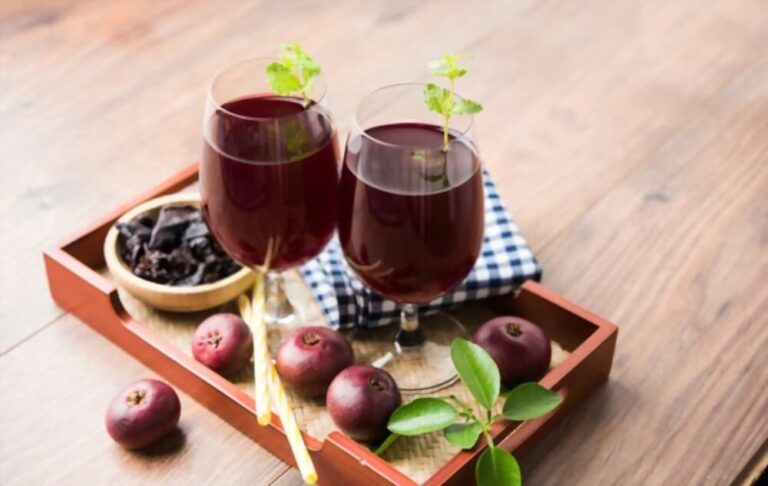
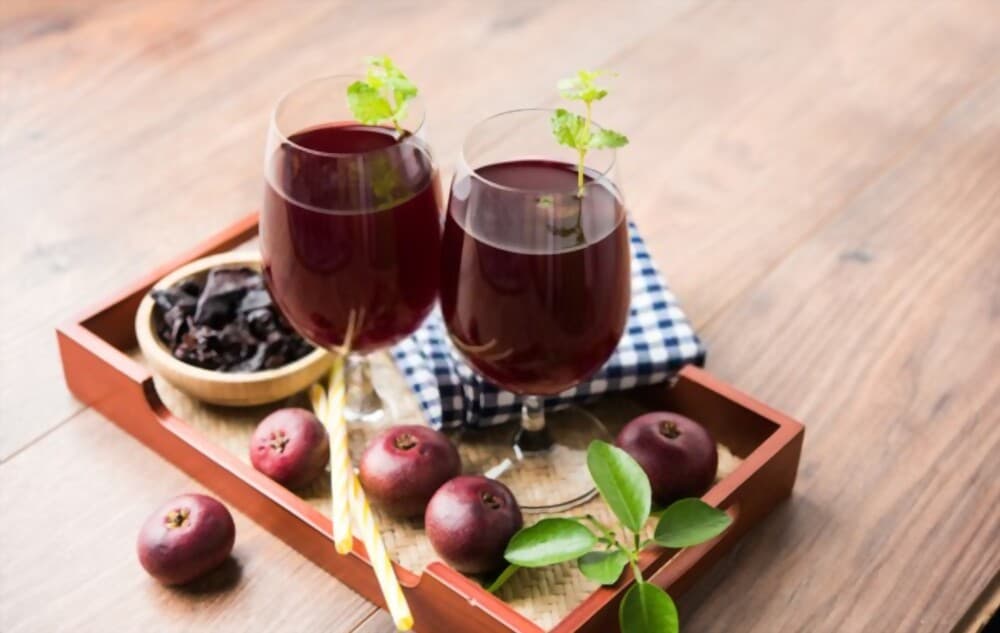
Dried and powdered, the rind of Garcinia indica fruits is valued as a slightly sweet and sour spice in traditional Indian recipes. Thanks to its peculiar taste and blackish-red color, it is a popular substitute for tamarind in curries, soups, and side dishes in south-western India. The dried rinds can also be boiled to obtain a delicious drink (called sherbet), which improves digestion and helps you to feel refreshed in the summertime, by preventing dehydration and fighting the unpleasant effects of sunstroke.

Pharmacology

Garcinia indica fruits are rich in citric and hydroxycitric acid (HCA), acetic acid, and polyphenols. Found in higher concentrations in the fruit’s rind, these chemicals are truly beneficial if you want to stay healthy and fit. The citric acid enhances immunity, and HCA suppresses excessive appetite and blocks the production of fat deposits, while polyphenols (also found in the tree’s stem bark) team up for a strong antibacterial activity.

Other physiologically-active compounds of which Garcinia indica displays relatively high doses include malic and oxalic acid, anthocyanin, pigments, xanthones ascorbic acid, and what appears to be the wonder-chemical of this plant: garcinol. Recent studies conducted on garcinol showed that it has a powerful antioxidative, anti-inflammatory, anticancer, anti-HIV, and anti-ulcer activity.

Antioxidant Properties

Thanks to its high garcinol concentration, Garcinia indica displays antioxidant qualities, by balancing potentially harmful free radicals and preventing oxidative damage to your body cells. This enhances the functioning of your immune system, slows down aging processes, and considerably increases longevity. Garcinol also promotes cell regeneration and repair, increasing the speed of healing processes.

Skin Problems

Garcinia indica fruit is the main ingredient for making the so-called “kokum butter”, much appreciated in the cosmetic industry for its emollient and nutritive action. Fresh fruit slices can be applied directly to the skin to treat ailments such as rashes and burns since their pulp has famous healing and soothing properties.

Kokum paste is used for treating superficial wounds and other skin problems, while other Garcinia indica derived products and extracts have astringent, rejuvenating, cooling, and tonic action. Kokum butter tends to replace the more popular cocoa butter in the pharmaceutical and cosmetic industry since it works wonders on any skin type, be it dry, chapped, sensitive, irritated, or burnt. Additionally, it is a more efficient moisturizer.

Digestion Problems and Weight-Loss

Extracts made from Garcinia indica fruit have a long tradition of medicinal use in relieving problems of the gastrointestinal tract, such as acidity, constipation, indigestion, and flatulence. Infusions of this plant are also used to treat piles, dysentery, and other digestive infections.

When powdered, Garcinia indica fruit prevents dehydration and the loss of essential nutrients, while when fresh the fruit can be mixed with sugar or honey to obtain a cool and refreshing tonic juice. The HCA present in this fruit decreases harmful cholesterol levels and blocks lipogenesis (the production of fat), thus being an important weight-loss aid.

Other Medicinal Uses and Benefits

The medicinal properties of Garcinia indica fruit do not stop here. It is important to mention that derived supplements have anti-bacterial and anti-fungal action and that herbalists recommend them in dealing with severe conditions such as breast cancer, leukemia, and liver cancer. Garcinol’s anti-carcinogenic properties prevent the proliferation of cancerous cells. Another important benefit of this fruit is that enhances the overall functioning of the liver, brings down fever and allergic reactions, and has strong indications for strengthening the cardiovascular system.

Cautions and Recommendations

Good news: there have been no reported hazards in using Garcinia indica derived extract and supplements in healthy adult patients. However, this does not mean that any remedy is completely safe – we advise you to seek qualified medical advice previous to administering such products and to follow carefully the instructions on product labels.

Also, you may want to avoid using such supplements during pregnancy or breastfeeding, since there is insufficient scientific evidence concerning their 100% safety. If following other medications at the same time, make sure there will be no harmful interactions with your treatment. No matter what you are using Garcinia indica for, make sure you keep it safe!

https://chart.googleapis.com/chart?chs=150&cht=qr&chl=https://www.consumerhealthweekly.com/treat-your-skin-problems-with-garcinia-indica/?Treat Your Skin Problems With Garcinia Indica

Healthy Chicken Recipes

Healthy Chicken RecipesWe all know chicken represents a delicious, quick, and healthy way of preparing something for dinner or lunch, grilled (like the famous grilled chicken breast), stewed/steamed, or baked.
If you are in search of a delicious and healthy chicken recipe, you’ve come to the perfect place. The following article will walk you through some of the most popular chicken recipes from around the world, cooked healthily, so as for you to enjoy all the savor and nutrients that chicken has to offer.

The Spanish way of cooking healthy chicken

Chicken, fennel, olive, and orange salad

This recipe has only 394 calories, 16.4 g carbohydrate, and 36.6 g protein, so it’s a “go for it” dish!

Here are the ingredients you need to purchase: 30 g butter; 3 chicken breast fillets (600 g), sliced thinly; 1 fennel bulb (550 g), sliced thinly; ½ cup (60 g) seeded black olives, quartered; 3 green chopped onions (scallions); 2 medium oranges (480 g) and 80 g baby rocket leaves (arugula).

There is also an Orange dressing that will go wonderfully with the chicken. For the dressing you need: ½ cup (125 ml) orange juice; 2 tablespoons red wine vinegar; 2 tablespoons olive oil and ½ teaspoon white (granulated) sugar.

Now that you have all the ingredients ready, melt the butter in a frying pan and cook the chicken, stirring, until it looks brownish. Prepare the orange dressing meanwhile. Put the chicken in a large bowl, and season with fennel, olives, onion, orange pieces, rocket, and the orange dressing. Add salt and pepper and shake it well before you serve it.

This recipe can be easily prepared, is delicious, and figure-friendly at the same time!

Bella Italia chicken

Let’s pass on to the Bella Italia and see how the Italians like to eat their chicken dishes: Penne with Chicken and Preserved Lemon

This recipe has also a reduced number of calories (424), so it’s a good and healthy choice when eating. Not to mention the fact that the light pasta (penne) with the Parmesan cheese and delicious chicken is ‘shrouded’ in a splash of citrus that will seduce your taste buds!

Here is what you need: ½ pound uncooked penne; ½ pound broccoli rabe, trimmed and cut into 3-inch pieces; 2 tablespoons extra-virgin olive oil; 1 ½ tablespoon sliced garlic; ½ teaspoon crushed red pepper; 2 cups of boneless rotisserie chicken; ½ preserved lemon, rinsed and a bit of salt. You will also need 1/3 cup grated fresh Parmesan cheese + Parmesan cheese (for grating).

Start cooking the pasta. Add the broccoli to the pasta during the last 2 minutes of cooking. Keep aside 1/3 cup pasta water while they are still “al dente”. Meanwhile, heat the olive oil, garlic, and the red pepper in a pan for about 1-2 minutes (Beware not to have them get browned). Add the chicken and the rest of the pasta water, the preserved lemon, and salt; remove them from heat. Mix the chicken with the pasta, broccoli, and grated Parmesan.

Start peeling strips of Parmesan over the mixture and serve immediately while it is hot. Buonissimo!

Asian chicken recipe

Chicken with Mushrooms and Scallions

To prepare this particular Asian recipe, you’ll need the following ingredients: 1 tablespoon sesame oil; 1 small bunch of scallions, sliced (the white parts are separated from the green ones); 1 garlic clove, finely chopped; 100 g shiitake mushrooms, stems removed and caps thinly sliced; 4 cups water; ¼ soy sauce (preferably light); some ginger root (peeled) and 450 g boneless chicken breast, cut into cubes.

Now heat the sesame oil in a large pot; add the scallions (the white parts) and garlic and cook them for about 1 minute. Then put the mushrooms and leave them for about 3 minutes. Pour water into the pan, add the soy sauce and the gingerroot, simmering for no more than 2 minutes.

Next, add the chicken pieces and reduce the heat to low, leaving them there to cook for about 7-8 minutes. Put the chicken pieces into some large bowls and pour the other ingredients over them. Season with scallion (the green parts) and serve it while hot.

As a matter of fact, this recipe has the least number of calories – 190 – 7 g carbohydrate and only 5 g fat (0.9 saturated)…so it is indeed a healthy and delicious choice that you should not miss!

Oriental chicken flavor

Chicken and Couscous Salad

Last but not least, here is a recipe that you will surely find mouthwatering!

Here is the list of ingredients for the salad: 1 ¼ cup of fat-free chicken broth; 1 box of couscous; 1 ½ cups cubed cooked chicken; ½ cup green onions (finely sliced); ½ cup radishes cubes; 2 tablespoons pine nuts, roasted; ½ cup peeled cucumber and ¼ fresh parsley (chopped). For the dressing, you’ll need ½ teaspoon salt; ¼ cup white wine vinegar; 1 garlic clove (minced); 1 ½ tablespoon extra-virgin olive oil; 1/8 teaspoon ground black pepper, and 1 teaspoon ground cumin.

Stir the couscous in a pan where you added the chicken broth and brought it to a boil. Remove the couscous from heat and cover it for 5 minutes. Mix it with a fork or whisk. Move the couscous into a large bowl, where you add the chicken pieces, onions, radishes, parsley, cucumber, and pine nuts.

Prepare the dressing by combining vinegar with the ingredients that you have left. Pour this mixture over the salad and shake well before you serve it.

After these multicultural chicken recipes, all you have left is to begin cooking them as soon as possible. They may seem too “exotically” cooked at first sight, but you will see that it won’t take you more than 20-25 minutes to cook them. And apart from that, they are so delicious and healthy that you won’t regret the time spent in the kitchen! Bon appétit!

https://chart.googleapis.com/chart?chs=150&cht=qr&chl=https://www.consumerhealthweekly.com/healthy-chicken-recipes/?Healthy Chicken Recipes

Meatloaf Recipes

Meatloaf RecipesDo you feel like enjoying some classic, savory recipes that taste like grandma’s dishes? How about some delicious meatloaf? Yes, that’s right! Why not choose a quick and easy way of cooking something that will surely “incite” your taste buds and delight your nostrils?

If you are not very fond of meatloaf, read these delicious meatloaf recipes that will definitely change your opinion about this mouthwatering culinary base! And if you simply love meatloaf, the following cooking ideas will most certainly make you hit the kitchen and try them for yourself!

Classic meatloaf recipes

A classic meatloaf dish could not overlook the traditional, Greek moussaka that obviously abounds in meatloaf!

For this delicious formula, you will need the following ingredients: 4-5 aubergines (eggplants); ½ kilo minced meat; 2-3 tomatoes; 1 teacup of olive oil; 2 onions, finely chopped; 1 bay leaf; 1 garlic clove; oil for frying; ½ teacup grated Parmesan cheese; some flour and 3 teacups of Bechamel sauce.

In order to start preparing your classic meatloaf, heat the oil in a pot and sauté the chopped onions together. Add the meatloaf and continue to sauté them for the next 10 minutes. Then, add the tomatoes, the garlic, the bay leaf, salt, and pepper and let them there for approximately one hour.

Meanwhile, after washing the aubergines and removing their stems, cut them into round slices and leave them for approximately one hour in salted water (to remove their bitter juices). Next, drain the round slices of aubergines, coat them with flour and fry them in hot oil (200 degrees Celsius). In a pan, arrange the aubergine slices in a layer with salt and pepper, put the minced meat in another layer, and then repeat the procedure until the end.
Finally, pour the Bechamel sauce over the last layer, add the grated Parmesan cheese, and bake them for about 20-25 minutes. Take this Greek meatloaf out after it is ready and serve it hot. Bon appétit!

Roast meatloaf with tomatoes, garlic & basil

And since we are talking about classic meatloaf recipes, why not try a new way of preparing it, with the ingredients of a typical American dish that will make you feel the crunchy and spicy meatloaf taste mixed all together?

Here is what you need: 2 red chopped onions; 1 tablespoon coriander seeds; 1 bit of ground cumin; 1 kg quality minced beef; 2 eggs; 2 tablespoons breadcrumbs; a couple of rosemary sticks (no more than 8); 10 cherry tomatoes; 2 cloves garlic, peeled and chopped; olive oil and fresh basil.

Before you start cooking this dish, make sure you preheat the oven up to 220 degrees Celsius (425º F). Mix the meat, onions, and spices in a blender (or any other food processor) until they are well
chopped together. Then add the eggs, breadcrumbs, salt, and pepper. Put the mixture on a flat surface and divide it into 8 balls.

Remove the ends of the rosemary sticks and push each stick through each meatball, leaving the leafy bit sticking out. Cut the tomatoes in half and remove most of the seeds; next, season with the garlic, olive oil, and what you have left of the chopped rosemary leaves, leaving these ingredients on a roasting tray.

Place a baking rack over each roasting tray of tomatoes and arrange the meatballs on top. Put them in the oven for about half an hour or until you think the meat looks cooked and crisp on the outside. Take it out and sprinkle with fresh basil before serving.

A special way of cooking the meatloaf

If you crave some special meatloaf recipes from time to time, either because you would like to impress your partner/friends/pretentious guests you have at dinner, or you simply want to “pamper” yourself with a unique dish, here is a suggestion: Spicy Meatloaf with Olive Salsa.

This recipe has a bold and spicy steak sauce, lavishly seasoned with whole kernel corn and chopped black olives. You need 1 kg ground beef; 1 cup plain dry breadcrumbs (they are better if they are in Italian seasoned-style); ¾ cup Spicy Steak Sauce; 2 eggs; 1 medium red pepper, chopped; 1 can pitted black olives, drained, chopped and divided; 1 can whole kernel corn and ½ cup sliced green onions.

The oven has to be well pre-heated first (about 190 degrees Celsius). You mix the meat, the breadcrumbs, ½ cup of the steak sauce, the eggs, and half of the peppers and olives until everything is well blended. Put this mixture into the aluminum foil of a 32.5×23 cm baking pan.

Bake it for about 1 hour and 10 minutes; let it rest for 10 minutes. Meanwhile, mix the remaining peppers, ¼ cup of the steak sauce, remaining olives, corn, and onions. Season the meatloaf with it.

Therefore, meatloaf can come “at hand” when you have no idea what to cook because it will always be guaranteed success if you choose the right recipe (either classic, like the Greek moussaka), or a surprising combination of spicy ingredients (like the Spicy Meatloaf with Olive Salsa). In either case, these meatloaf recipes will surely not deceive your taste buds!

https://chart.googleapis.com/chart?chs=150&cht=qr&chl=https://www.consumerhealthweekly.com/meatloaf-recipes/?Meatloaf Recipes

Add Color to Your Health: A Heartfelt Advice

Add Color to Your Health: A Heartfelt AdviceWhen I was little, my mother would go on and on about how important it is to lead a happy and healthy life, but somehow it felt like fruits and vegetables couldn’t possibly give me that.

I heard someone saying that nothing tastes like skinny and someone else replied: You’ve obviously never had cake. Or cupcakes. Or chocolate.

But I am telling you: nothing tastes better than being healthy. I hear girls around me complaining about how fat they are, although they seem OK to me. I don’t claim to know the secret to a wonderful life, but there are a few things I can share with you as far as nutrition and health tips go. Without further information, these are my favorite fruits:

Apple – not just because it’s been featured on so many stories that nobody could keep a count, but because it’s proven to be a great help when I suffered from intestinal problems, thanks to some tiny particles called flavonoids. And for those of you who are used to peeling the skin off: stop it! All the vitamins and that wonderful fragrance lie underneath that thin skin. You may also it interesting to know that a medium-sized apple contains 75 calories and 3 g of fiber, which makes it a perfect addition to your meals, especially if you’re trying to lose weight.

Avocado – at first, I was reluctant to this fruit since I didn’t really enjoy its taste, but I thought about it better and got used to it in time. I first found out about its benefits when a friend of mine got pregnant and had to look for folate sources, a vital substance for all babies. Her doctor suggested avocado and this is how I discovered that this fruit can also be used to lower bad cholesterol. As it turned out, babies also love it thanks to its creamy texture, so you may want to take this into consideration.

Banana – well, people have different thoughts on it, especially since it’s well known that bananas are rich in calories (a medium-sized one contains about 105 calories!). I can tell you from my personal experience that bananas are harmless from this point of view, as long as you don’t combine them with fatty foods and drinks. These fruits are an important source of potassium, which means that they will lower your blood pressure faster than any other natural remedy.

Blackberries – were called gout berries by the Ancient Greeks, thanks to their ability to treat gout-related problems. Usually, you shouldn’t eat more than half a cup of blackberries, meaning 31 calories, 4 g of fiber, and many antioxidants. It’s true that there are a few studies conducted to see if these small fruits could be a cure for cancer, but this is just a theory for now. My advice to you is to eat ½ cup of blackberries every week. And why shouldn’t you? They taste delicious!

Cherries – they are my all-time favorite! I love everything that contains cherries, from natural juices to cherry print dresses. ½ cup of cherries contains 46 calories, 1.5 g of fiber, and countless antioxidants. In fact, they contain more anthocyanin (a natural antioxidant) than any other fruit, which means that they will be happy to give you a hand in fighting gout and arthritis pain.

Grapefruit – although some people may not enjoy its bittersweet taste, grapefruit remains a wonderful source of vitamin C. In fact, you may find it very useful if you are craving a snack, but don’t eat too much or you risk developing stomach acidity. Just try to have ½ grapefruit every 4 days, meaning 52 calories, 2 g of fiber, and a huge amount of vitamin A. This fruit will lower your cholesterol, but it can also intensify the action of certain drugs, so you may want to talk to your doctor or pharmacist before starting, let’s say, a grapefruit diet.

There is no rule that says you should look like this or like that, but there is a rule that says you should be happy with yourself, no matter what. Why would you eat food containing obscure ingredients when you could just pick up an apple? Fortunately, I’m one of the lucky people who put their health above any other craving and decided to lead a healthy life.

And although life is more than juicy fruits and healthy vegetables, they are an important part of it. Ever since I’ve started to choose fruits and vegetables over sweets and junk food, not only that I looked better, but I was also happier. I’m not saying you have to follow in my footsteps. Just find the one thing that makes you healthy and beautiful at the same time and go for it.

Good luck, beautiful beautiful people!

https://chart.googleapis.com/chart?chs=150&cht=qr&chl=https://www.consumerhealthweekly.com/add-color-to-your-health-a-heartfelt-advice/?Add Color to Your Health: A Heartfelt Advice