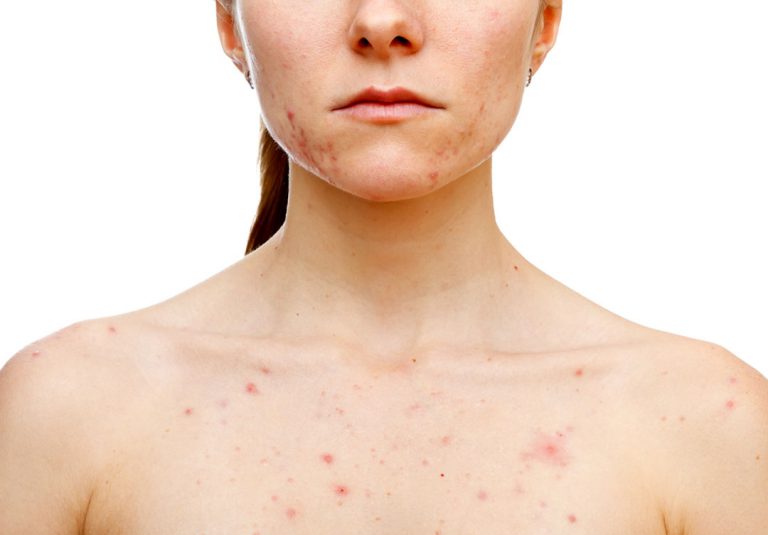
Cystic Acne: Facts, Causes, Prevention, and Treatments

0

Cystic Acne: Facts, Causes, Prevention, and TreatmentsCystic acne results from the bacterial infection of cysts deep within the skin.

What exactly is a cyst? A cyst is a sac or space (commonly on the lower layer of the skin) that contains fluid or semisolid material. Cysts are large, inflamed acne lesions that are filled with pus. The contents of a clogged pore seep into the skin, and the immune system activates white blood cells at the location to fight the infection, causing the cyst to form beneath the skin’s surface. Acne cysts (unlike blackheads and whiteheads) are better treated with antibiotics. Without treatment, cystic acne may result in severe scarring and may cause considerable physical and psychological pain.

Cystic Acne Causes and Symptoms

Acne is so common that many people believe that it’s a normal part of human development and maturation. Nearly 100% of all adults will endure some type of acne breakout at some point. And a number of individuals will suffer from the severest forms of acne cystic acne and the possibility of permanent disfigurement as a result. According to medical practitioners, one of the most common reasons that young adults seek medical care is a strong concern about acne. Many of these young people have tried to self-treat with over-the-counter preparations and seek a physician’s help as an act of desperation when nothing else seems to work.

Cystic acne is ugly. Aesthetically, having red lesions all over the skin causes a great deal of concern to any adolescent. Cases of severe cystic acne are sometimes physically unpleasant as well. Severe cystic acne causes pain, recurrent bleeding and an unpleasant and foul-smelling discharge. While it rarely happens, some acne patients develop a severe toxic condition affecting the entire body and requiring treatment in a hospital. Needless to say, before the development of such powerful drugs as Accutane, such patients were extremely difficult to treat.

Looking “different” can cause a great deal of distress in adolescents. People at the onset of puberty are sometimes in emotional states when they are probably least able to deal psychologically and socially with the unsightliness of active cystic acne. Adolescents experiencing cystic acne report more social isolation and self-consciousness than their peers not suffering from severe acne. Cystic acne can make a teen experience embarrassment, social inhibition, unhappiness, anxiety, and dissatisfaction with their facial appearance. Since acne occurs on the face in 99% of cases, it becomes inescapable and nearly impossible to conceal. Acne can reduce employment prospects and create interpersonal difficulties.

Finally, acne scarring can cause devastating long term psychological trauma for the sufferer. Some researchers believe that acne scarring may be a risk factor for suicide, particularly in young men. A normal part of puberty? Perhaps. Acne in many degrees of severity from the single Whitehead the day of the prom to the heartbreak of cystic acne is very common not only in adolescents but in adults as well. Effective treatment can lessen the physical and psychological pain.

Cystic Acne Pimples

Cysts are a form of acne that occur when the oil gland over-produces, then becomes clogged, then infected by bacteria. Unlike other types of acne, like blackheads or whiteheads, these skin lesions never release their waste products. Squeezing cystic acne may allow some discharge to occur. However, sufferers of cystic acne will discover that “popping” a cyst accomplishes absolutely nothing since the lesion will look the same within a short period after squeezing. Some people are simply prone to developing cysts. Some develop them when there is stress in their lives.

Unfortunately, these cyst-like pimples that can last for months, and can range from mild to severe. For mild cases where a patient just has a few persistent cystic lesions, a physician or dermatologist will typically inject a steroid directly into the cyst to help shrink it. In addition to the injections, the doctor will probably prescribe the daily use of a topical retinoid such as Retin A. Retinoids can help to modify the skin chemically, making it less prone to these cystic type lesions. When cystic acne is severe it can be treated with Accutane, which can cure the condition. However, Accutane has many serious side effects so patients should carefully discuss the risks and benefits with their dermatologist before beginning any treatment cycle with this medication. Other types of topical medications generally don’t work with cysts. Besides the steroid injections and topical retinoids, the dermatologist may also introduce oral antibiotics in the treatment of cystic acne. Antibiotics can be helpful by decreasing the inflammation often associated with these lesions.

One of the worst things anyone can do is to pick at a cyst. Squeezing a cyst breaks actually, breaks open the delicate hair follicle shaft where the infection originated. The breakdown of the follicle structure allows inflammatory contents to flood into the dermis and subcutaneous skin layers. The infection becomes much more widespread, and the area will look very red for weeks. In darker-skinned patients, squeezing a cyst will leave discoloration called hyperpigmentation. Lighter skin types don’t suffer the pigment problem quite as much, but permanent scars may disfigure the affected area for life.

Treating Cystic Acne

How can you tell that you have cystic acne? If you have deep infections on your skin that are nodules or cyst-like, and these infections don’t rise to the surface and discharge their waste material, you may suffer from cystic acne. You may or may not have blackheads or whiteheads along with the cystic nodules. But, certainly, these infections heal very slowly, with a risk of possible scarring. What’s behind these horrible bumps? Dead skin cells and other debris stick to the skin’s excess production of sebum and completely block the openings of hair follicles. Bacteria becomes trapped with skin oil and its free fatty acids within follicles. Unfortunately, these bacteria breed rapidly and tend to produce skin infections and abscesses. These severe breakouts are called cystic acne.

Within the follicles, bacteria is not the only culprit. The reproduction of bacteria also generates enzymes that produce free fatty acids from sebum. These acids spill out into the follicle openings, inflame the skin and break down skin barriers such as calcium. In an effort to combat the inflammation, the skin near the follicle openings produces, even more, cells, which clogs the follicle openings even further. This action closes the follicles, making them ideal environments for incubating bacteria and producing acne infection. Some cystic acne sufferers are even fighting heredity. There is already a well-accepted theory suggesting that acne tends to run in families and that some people may be predisposed to cystic acne infection. A hypersensitive gene within the cells of the follicles responds with overproduction of cells within the follicle walls, causing chronic blockages.

One of the ways you can combat the causes of cystic acne is to aim for effective bacterial control on the skin surface. However, killing and controlling the bacteria that cause cystic acne is not as easy as it was a few years ago. Overuse of antibiotics has allowed more resistant bacteria to develop; many are resistant to one or more of the antibiotics typically used to treat acne. Many people use glycolic acid in an attempt to fight acne breakouts. However, glycolic acid does not kill the bacteria that commonly cause breakouts. Salicylic acid and triclosan do. Benzyl peroxide kills acne bacteria, but it also dries out the skin and promotes premature aging.

Typical acne infections rise to the skin’s surface and discharge a large portion of the waste products, toxins, and tissue debris. In cystic acne, this release does not happen. Helping the skin to absorb therapeutic chemicals becomes very important. Absolutely vital are drugs and topical medications that reinforce the skin’s ability to break down the infection’s waste materials and facilitate the healing and repair process. If this is not accomplished, cystic acne will not be controlled.

Cystic Acne and Antibiotics Treatments

Physicians and dermatologists commonly use antibiotics to treat moderate to severe cystic acne. Antibiotherapy attempts to eliminate the microorganisms that colonize the hair follicles. Oral antibiotics tend to work better than topical applications because they circulate throughout the body and go directly to the sebaceous glands and the rest of the skin. However, due to the overuse of antibiotics during recent years, some bacteria have developed resistance to specific antibiotics.

When severe cystic acne fails to respond to other treatments, the dermatologist is likely to turn to Accutane. Accutane is synthetically produced vitamin A, taken by mouth. It acts by decreasing the formation of oily plugs of sebum (the substance secreted by the oil glands), reducing the formation of keratin (the tough outer layer of skin), and by shrinking the skin’s oil glands.

Accutane is reserved for people with severe cystic acne that is unresponsive to other treatments. However, Accutane must be approached with caution. A dermatologist must perform a battery of blood tests, and women should not get pregnant while taking Accutane. It has been shown that Accutane while bringing considerable relief from cystic acne, may cause severe birth defects and miscarriage when a fetus is exposed to the drug. Women are cautioned to use two reliable forms of birth control for one month before treatment, throughout therapy, and for a full month after the course of treatment is over.

Improvement of the cystic acne may not begin to show for up to two months after a person begins using Accutane. No known medicine can be added to speed up the process, and cystic acne has been known to grow worse before it gets better during about the first month of Accutane treatment. However, if one is willing to put up with the associated cautions and side effects, cystic acne has met its match in Accutane.

Cystic Acne and Accutane Treatment

People with severe nodular or cystic acne should always consult a dermatologist for the most appropriate treatment. For patients suffering from severe inflammatory acne that does not improve with traditional medication, a doctor may prescribe the retinoid isotretinoin or Accutane. This drug is taken by mouth, usually once or twice a day with food for a period of 15 to 20 weeks.

Accutane has been shown to dramatically reduce the size of the patient’s oil glands within the skin. As a result, much less oil is produced, the growth of bacteria is decreased, and marked improvements in complexion will appear.

Taking Accutane as a treatment for cystic acne is very effective since it can help reduce or prevent scarring. In patients who have been using Accutane for 15 to 20 weeks of treatment, 90 percent of those patients experience total, or almost total, clearing of acne breakouts. In some cases, patients find that their acne recurs after stopping the use of Accutane. The dermatologist may suggest another 15 to 20 week period of Accutane use or may prescribe other medicines. The use of Accutane can also have quite a significant downside. In pregnant women, isotretinoin can cause birth defects in any developing fetus. Women of childbearing age with cystic acne should be absolutely sure they are not pregnant and do not get pregnant while taking Accutane. Two separate effective forms of birth control should be used at the same time for a full month before treatment begins, during the entire course of treatment, and for another full month after stopping the drug. Even after the month has passed post-treatment, a woman should always ask her doctor when it is safe to get pregnant after they have stopped taking Accutane.

Accutane can have some psychological effects as well. Cystic acne sufferers may become depressed by their appearance and the blemished state of their skin. Medicines like Accutane can actually intensify any existing depression, either during treatment or immediately following the prescribed course of the drug. If a person appears unusually sad or has other symptoms such as loss of appetite or trouble concentrating, a doctor should be consulted immediately.

Other possible side effects include dry eyes, mouth, lips, nose, or skin; itching; nosebleeds; muscle aches; sensitivity to the sun; and, sometimes, poor night vision. Accutane can also increase blood triglycerides and cholesterol, or affect liver function. Side effects usually go away after the medicine is stopped.

People with cystic acne often turn to Accutane for relief from a very upsetting condition. As long as they’re aware of some of its drawbacks and are vigilant about any physical or psychological symptoms, Accutane treatment can turn into a positive healing experience.

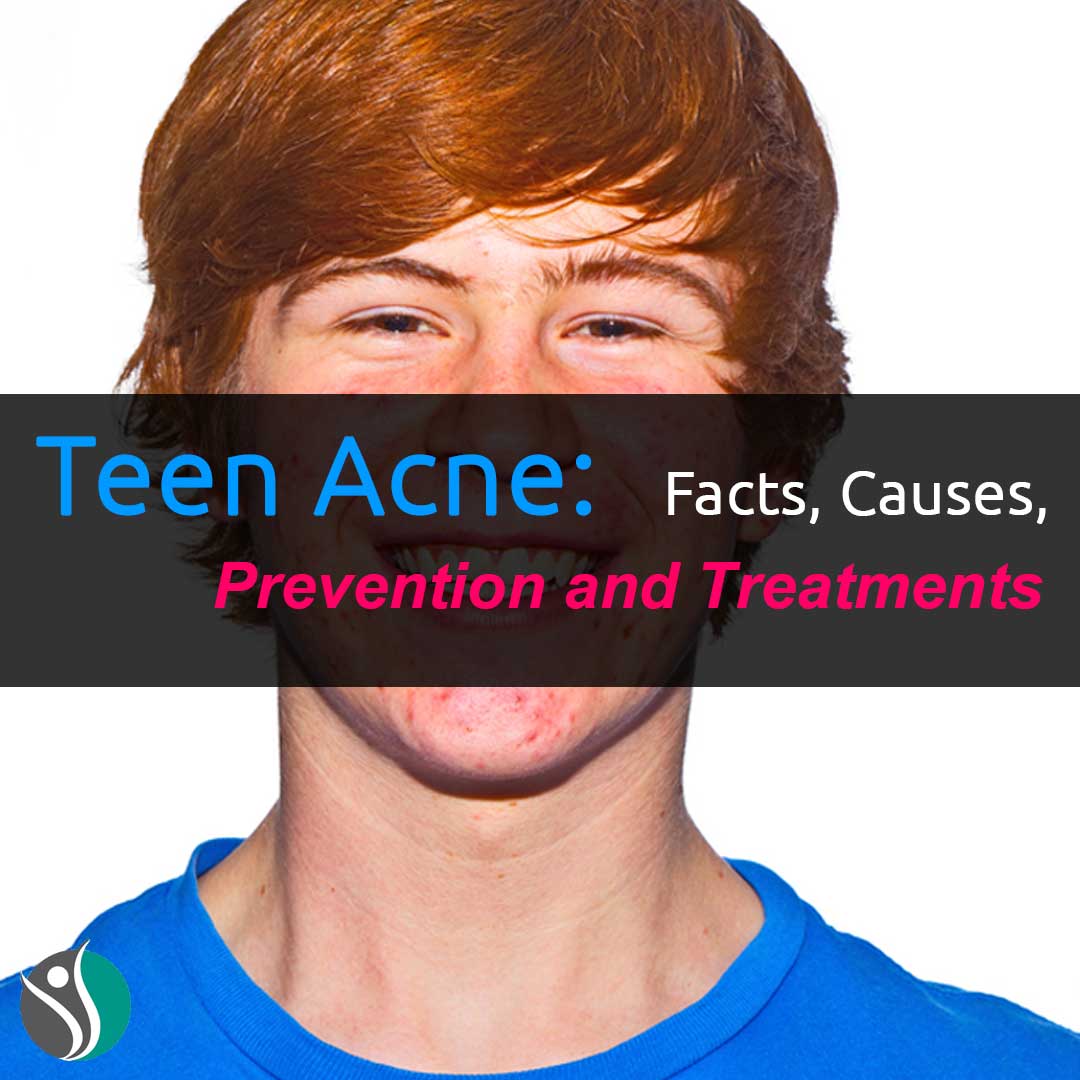
Teen Acne: Facts, Causes, Prevention, and Treatments

0

Teen Acne: Facts, Causes, Prevention, and TreatmentsMiseries of Teen Acne

Teen acne has always been a big problem, with over 85% of adolescents developing this skin disorder. Acne can last a few months, a few years, or can last well into adulthood, making many teenagers’ lives a misery.

The teenage years are already rife with confusion, mixed emotions, and turmoil, and acne is simply an added nightmare that puts the icing on the cake for many adolescents. Teen acne is developed through the production of androgens, which are hormones that are produced during the onset of puberty.

Teen Acne Causes, Myths, and Stories

During the early teen years, boys and girls are at greater risk for acne breakouts, when the oil glands in the body start over-producing sebum (a skin oil that can resemble grease). Adding to the problem, your body sheds dead skin cells constantly and some people have “sticky” skin cells that don’t shed normally they just remain attached to the skin. In people who have acne, These excess skin cells can mix with the oil and plug up the hair follicles.

Quite a few myths are floating around out there about what causes acne. Let’s straighten some out right now. Dirt does not cause acne. A blackhead may look like dirt plugging one of your pores, but that is not the cause. The sebum and skin cells mix together and sometimes rise to the opening of the pore. The sticky mixture can attract dirt so the opening looks black. But the real cause is still deep inside the pore.

Enjoy your chocolate and French fries. Stories you’ve heard of them are simply false. Indulging in these favorites does not increase the production of sebum in the skin. Some of you may have been told that sexual activity or masturbation can cause acne. Not true. While there are many other reasons to be careful about sex, acne is not one of them. While both boys and girls can get acne it’s more likely to be worse in boys because their bodies produce more skin oils. You can also inherit the tendency to develop breakouts. Chances are if your mom or dad has had acne so will you?

Strangely enough, your immune system can come into play as well making you extra sensitive to the bacteria that get trapped in the hair follicles. Antibodies rush to the site and cause the inflammation that can bring on pimples.

Something else you should know what can make acne worse. If you use makeup, suntan products or hair products that contain oil they can add to the pore-plugging problem. Being under stress like applying to schools, or struggling with grades, or even dating pressures can help bring out acne. During a girl’s period, hormone levels may create more sebum in the skin, which can worsen the breakouts. And, beware of the sun not only can it damage your skin and cause premature aging it can also cause pimples. While keeping your skin clean is an important part of treatment, remember to be gentle no hard scrubbing, no picking or squeezing. You can survive acne.

Could Bread Cause Teen Acne?

How much bread do you eat? Did you know that teens who eat lots of bread may get more acne? Acne appears in up to 60% of 12-year-olds and 95% of 18-year-olds. Some scientists believe the modern Western diet is to blame.

Studies done by US scientists show that refined sugar, along with wheat and other grains, can raise insulin levels. Studies were done by researchers previously show that too much insulin could lead to acne. And those new low-carbohydrate diets that are so popular right now? It’s possible that they can lead to reduced acne breakouts for some.

Research conducted by Colorado State University’s Loren Cordain has suggested that insulin surges may be triggered by easily-digested refined bread. IGF-1, a growth factor resembling insulin, can be produced as well. This combination of substances in the body can spike male hormones, which is known to created large amounts of sebum in the skin. And sebum, a thick substance that can build-up in the pores of the skin, encourages the bacterial growth responsible for acne.

Other research has pointed out a lack of acne among teenagers living in other parts of the world, where food is largely unprocessed. Acne only appeared among the Inuit people of Alaska when people there switched from their traditional fare to a Western-style diet.

Scientists at RMIT University in Melbourne, Australia, are planning a major study to see if eating a low-carbohydrate diet can reduce the incidence of acne. The experiments will involve 60 teenage boys, tracked over the course of three months.

Lots of anecdotal evidence has been seen by dermatologists when they had their patients move to low-carbohydrate diets. But, the Australian research will be one of the first controlled studies to examine the effects of a low-carbohydrate diet on acne.

Psychological Effects of Teen Acne

Acne is a typical teenage affliction one that goes far beyond the physical symptoms. Zits can be ugly but the psychological/emotional effects of acne need significant attention as well. Acne can bring about major trauma for a teen the type of damage that may have life-long consequences.

During a transitional, emotion-packed time in a young person’s life, things can become incredibly complicated by even the smallest breakout. Many kids feel intense shame and retreat into a type of anguished hiding avoiding customary teen activities. Even if they do get out there and participate in social interactions, other teens can make cruel and hurtful remarks about acne. Many teens also feel that pimples happen because they’re repulsive or dirty. Some even think they’re guilty of some unknown crime, or they are being punished for something they did or failed to do.

Growing up these days is difficult as it is. Many people, including teens, walk around harboring negative self-images that can stick with them and affect their belief systems and actions for the rest of their lives especially if these feelings are never brought out and dealt with. Parents can be the crucial piece of the puzzle. Sensitivity from those closest to them can help teens be more self-accepting and do less self-flagellation for some supposed fault. Parents who tell their kids that they are beautiful, precious and special can provide an important psychological bridge over these turbulent feelings. Taking some “mirror time” to see beyond the pimples – while doing some positive self-affirmations can help too. In more severe cases, supportive psychotherapy or hypnotherapy can benefit any teen who is willing to put in the time and the effort. It’ll be worth it.

Many teens suffer emotional stress and fatigue brought on simply by being adolescents. Higher levels of hormones and adrenaline can result, which increases sebum production, and can eventually clog pores. Severe acne outbreaks have also been reported after prolonged sleep deprivation. Beauty sleep becomes more important than ever since skin cells are nourished and rejuvenated during sleep. Exercise can not only increase blood circulation and bring more oxygen to the skin it can also help soothe the mind and the emotions of teens bearing the agony of acne. In addition to plenty of sleep and exercise, relaxation techniques such as breathing exercises, yoga, self-hypnosis, meditation, or listening to relaxing music, have also been shown to be effective.

Psychologists who work with teen acne patients also see many patients in their 20s and 30s with difficult acne problems. It should be no surprise that many of these adults are still dealing with adolescent issues, such as sexual or professional identity, separation from parents, and repressed anger. Psychological help for adults coping with their teen issues can actually clear up their skin. All the more evidence to support the mind/body connection of acne.

Alone in the mirror with Teen acne?

Don’t feel too bad if you looked into the mirror this morning and saw a zit the size of the Empire State Building right in the middle of your chin. Clinical studies show that almost 100% of all teens have at least an occasional whitehead, blackhead or a pimple no matter what their race or ethnic heritage. Ages 12 through 20 are in the danger zone when most acne breakouts occur.

All the changes happening to your body and emotions right now are created by elevated hormone levels. When hormones are high, the glands that are attached to hair follicles (sebaceous glands) produce more sebum an oily substance that “lives” within the pores. An acne lesion (Whitehead, blackhead or a pimple) occurs when a hair follicle becomes plugged with the sebum and dead skin cells that are always being shed by the body. Brace yourself.

When acne begins sometime between the ages of 10 and 13 it’s usually going to go on for five, or even ten, years! The most severe cases in some teens stem from the development of comedones. Comedones are skin-colored, small bumps that frequently show up on the forehead and chin of those with acne. Some may be so small that they are not visible to the naked eye – these are called micro comedones. The heaviest breakouts will be at their worst at about 3 to 5 years after the first comedones appear.

The pimples and blackheads you’re experiencing right now should disappear sometime between ages of 20 and 25. However, the most severe cases nodular acne or cystic acne may not resolve until you’re 30 or over.

Above all, try not to isolate yourself just because you’re breaking out. Take a look around you. Lots of the kids you know are also walking around with acne your parents probably suffered with it as well when they were adolescents. Ask them. Acne has not singled you out besides, you’re not alone in feeling the way you do.

A survey of British teenagers found that they’re suffering the same emotional pain that you are. Almost 40% of them have avoided going to school because they were embarrassed. Over half of them felt that acne prevented them from having a boyfriend or girlfriend. About one-third said it got in the way of them being able to make friends. By treating your acne properly, you can protect yourself from the emotional effects of your condition, and you can stop the breakouts from getting worse.

There is good news. Because of advances in dermatology and available medications available by prescription and over-the-counter, nearly every case of acne can be controlled.

Teen Acne and Self-Esteem

How a person looks is vitally important in today’s society. The mass-media and popular culture are saturated with photos, celebrity quotes, and more. The message that teens can get? Often, looks are even more important than the person inside.

This twisted sense of self-image can backfire and lead to some truly horrible results. More and more teens are suffering from depression. Young girls seeking perfection can become anorexic or bulimic. Some kids even isolate themselves and are extremely uncomfortable in social situations. All these conditions that can grow out of the pressure that teens feel to “look good.”

So when acne strikes, how are teens equipped to deal with the prospect of looking “abnormal” or “ugly”? Teenagers can be cruel to each other, and to themselves. The American Academy of Dermatology has reported that a staggering 95% of American teenagers will suffer acne breakouts at some point during adolescence. Some kids can hide milder cases with makeup or flesh-colored over-the-counter treatments. Some even use their hair or clothing longer styles, hats, etc. However, sufferers of severe acne must stand exposed, with all their imperfections, for the world to see.

Since acne occurs so frequently in adolescence, blemished skin makes teens fear how they are viewed by their peers. Self-esteem and self-worth can be affected when kids are afraid of being judged by their contemporaries. Teens put up with so many anatomical changes that can make them feel “dirty.” It’s a particularly vulnerable time when kids worry about being accepted, and about the way they look.

Unfortunately, some parents can trivialize the teen’s fears. Attitudes like “I went through it and you’ll go through it” and it’ll go away. But when that first serious breakout happens acne typically gets worse before it gets better the teen may rationally agree that it’s probably a passing phase. However, while it’s “going away,” the teenager remains afraid of being judged by his peers, and serious self-esteem issues can result. These unsettling feelings about self-image can sabotage a young person already confused by this gateway to adulthood. This is a time in a teen’s life when he/she should get out and be involved in peer activities but fear of being “different” is strong. Parental support can be vital at a time like this. Even when teens appear to “not need” your help, playing a gentle supportive role can help a budding adult’s transition.

Teen Acne Treatment

There are many teen acne treatments that claim to ‘cure’ this condition, but many of these are simply empty promises that waste time and money, giving false hope to desperate teenagers. It can be very difficult to find a suitable product – particularly one that does not cause additional side effect due to the chemicals in it. This lack of effective treatment can simply add to the trauma of teen acne.

Chest Acne: Facts, Causes, Prevention, and Treatments

0

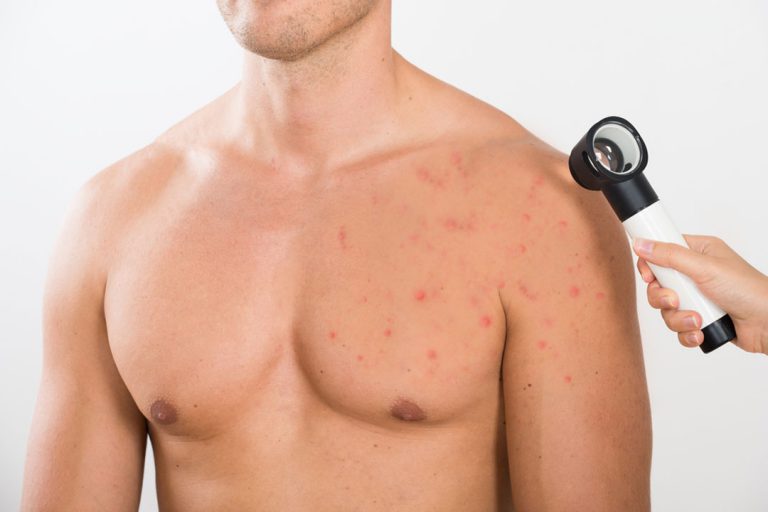
Chest Acne: Facts, Causes, Prevention, and TreatmentsChest and shoulder acne is a condition that can really knock the self-esteem you down as the chest and neck areas are very intimate places. It can dictate where you go comfortably, what you do, and what clothes you wear, as well as how you feel overall. For example, some people with chest acne wouldn’t dare venture on to the beach in a skimpy vest or bikini. Those with chest acne may not want to exercise at the gym, in case the clothes they wear show off the acne or it is seen in the showers. The confidence can take a real battering from chest acne, and even being seen in the altogether by a partner can become a nightmare. Your chest acne may be caused by hormonal imbalance, friction during exercise, or even by the clothes that you wear.

Chest Acne in Summer

Ah, summer fun! Time for outdoor activities, the beach showing more skin. During the summer, however, many women worry about acne not only on their faces, but also on their backs, chests, and necks.

The most important cause of acne is the overproduction of sebum within the hair follicles and the back, chest, and neck are the body parts that excrete the largest quantities of this thick sticky skin oil. Sebum offers a fertile breeding ground for acne on the chest, and other parts of the body, since it’s available to combine with dead skin cells and dirt, on a skin moistened by summer heat.

Acne on the chest can also appear when sweat gets trapped between the night clothes and the skin. Normal turning during sleep can create friction as the chest and back rub against the sheets. Even adorning ourselves can create a problem. The chest area can be constantly irritated by necklaces, which, when combined with perspiration, more skin oils, and dead skin cells, often worsen the acne problem. Close-fitting warm weather fashions can also trap sweat and worsen breakouts.

To treat chest acne, it’s always a good idea to minimize any causes of irritation and use shower or bath gels formulated for acne troubled skin. Aggravation can worsen acne, so using a rough surfaced towel or body scrubs should be avoided. Apply gentle astringents to your skin after taking a shower, instead of lotion or oil. While it may drive you crazy, and you tend to touch or even squeeze pimples in the chest area because they’re easy to reach try to concentrate on never doing this. Avoid saunas when acne is in “full bloom” and at its worst and be sure to deep cleanse the troubled area about once a week using a mud or clay-based mask. Always use clean cotton linens and sleepwear.

Fortunately, a little bit of sun can actually improve your skin’s condition. Always be mindful, however, that sun exposure is a double-edged sword. In moderation, it can help clear breakouts on the chest. Overdoing it will cause surface burning, discomfort, and even premature aging.

Chest Acne in Winter Time

All the layers and layers of clothing we wore during the winter months hid a multitude of sins. The little blemishes on our chests not to mention the ones on our backs and arms. As women, millions of us neglect our bodies during the winter because we’re able to hide it under layers of thick, comfy clothing. But we’re missing something. The only way to be sure you’ll have summer ready skin is to maintain your body care throughout the year. We wouldn’t have to work so hard every spring to get rid of those hidden horrors that we could have prevented.

The chest and back are probably the most neglected parts of the body unless you count your feet (that’s a different article). We don’t pay an awful lot of attention. You have quite a few sebaceous glands all over your chest. Those are the oil producing bodies contained in the hair follicles. In the winter time, these areas are mostly covered so it’s easy for oil and sweat to build up to cause back acne and chest pimples. Friction from snug clothing rubbing against the skin can also create enough irritation on the chest to bring on a breakout.

If you have pimples on your chest, don’t press or squeeze them. This could leave scars and hyperpigmentation (spots) on the skin, or even spread the bacteria that grows within each lesion and aggravate the problem.

On a regular basis throughout the winter, it’s always a good idea to remove dead skin cells from the surface by using a gentle facial scrub on your chest to exfoliate this area. Twice a week should be just about right. Remember when exfoliating your chest that you make sure you don’t pull at your skin as this could damage it. Always moisturize afterward there are many oil-free products that will do the trick. As spring draws near, buff your body, focusing on your chest and back, at least every three days during one month in early spring, as this will get rid of all dead skin cells. By removing dry and dead cells you’ll allow fresh, smooth skin to emerge. When you buff your skin, use a brush that has natural bristles and brush upwards in a circular direction. Dry brushing your skin will help your body to get an all over glow and will also boost your circulation, which will help fight cellulite an added benefit. Take a tepid (not hot) shower to get rid of all the debris and apply moisturizer. Continue to buff your body every third day for one month and then give your skin a rest the next month. By taking care of your body year-round you will ensure that your skin looks healthy and radiant during summer.

Chest Acne caused by Steroids

Lots of publicity about steroids has been hitting the media for years. But, did you know that there’s another reason that we need to be concerned about steroid use? One that’s not often talked about? Did you know that there’s such a thing as “steroid acne”? Absolutely!

Steroid acne is an acne-like skin condition that follows the use of steroid medications. It occurs on the chest most of the time but may also develop on the face, neck, back, and arms. Adolescents or adults who have been taking moderate or high doses of oral steroids such as prednisone over a period of several weeks are most susceptible. Small skin bumps, which may itch, begin to appear on the chest. Sometimes they are pustular, or large firm lumps that seem buried under the skin. Unlike the acne that most of us are used to, most of the lesions are the same size and tend to be small. Pronounced nodules are rare.

It’s true that steroids may aggravate the skin of people who have had acne in the past or who have a family history of acne breakouts. However, most of the time, steroid acne is really not traditional acne at all, but a type of yeast infection. It would not be correct to call this yeast condition an infection per se. It’s the overactive growth of what is normally there. External factors may contribute to the worsening of these chest eruptions, and/or reduced resistance in the affected individual may be the culprit.

The yeast that causes this acne like chest lesions is a type that normally lives on the skin, making it different from food yeast or the yeast that causes feminine infections. The condition shows up on the chests of young to middle-aged adults of either sex. We all walk around with this yeast on our skin and, in most cases, we can peacefully co-exist and it causes no problem. At times, like after a prolonged period of steroid use, the yeast gets down into the hair follicles and multiplies, setting up an itchy, acne-like eruption. External causes can include hot, humid, sweaty environments where the yeast tends to overgrow; clothing that blocks airflow and encourages sweating; and the application of cream based sun products.

Within the affected individual, certain contributing conditions can lead to a tendency to develop steroid acne on the chest. A natural tendency toward oily skin, a compromised immune system, stress, fatigue, diabetes, oral steroid or contraceptives, overweight and oral antibiotics.

Most patients seek advice because of the itch, which tends to come in episodes, along with a stinging sensation. Treatment must take care of both the yeast overgrowth and any contributing factors, otherwise, the condition will recur. The condition also tends to return once any anti-yeast treatment is stopped before the overgrowth is eradicated.

Chest Acne and Clothes

Are your clothes causing your chest acne? Tight clothes that rub against acne aggravated skin on the chest tend to disrupt the area even more and give rise to new pimples by spreading the oil and bacteria. They also prevent the dead skin cells from escaping, which along with the oil, plug the pores and create ideal conditions for bacteria to flourish. The chest and back are covered up most of the year it’s not easy for the skin to breathe.

A debate is raging among dermatologists, and no one can seem to decide whether or not tight clothing might be a cause of chest acne. Changing the way you dress to a looser style, without considering other factors, will not necessarily make the acne blemishes on your chest go away. Smoking the credit cards on a whole new closet full of clothes won’t do it, but being more selective about the shirts, tops, and sweaters you wear could make a difference.

Shirts made of polyester and other man-made fabrics are often cited as culprits, since they don’t allow your skin to breathe, and can make you sweat even more. More sweat, more oil. Mix in the dead skin and any dirt that may accumulate on the chest, and you’re in for serious bacteria growth. However, not all artificial fibers are off limits. Some athletic apparel companies have designed synthetic fabrics that are able to wick perspiration away from the skin on your chest, and isolate the wetness in the outer layers of the fabric, where it can evaporate more quickly.

When working out, resist the temptation to wear that tight shirt to show off your flat abs or bulging muscles. The workout is already making you hot and sweaty. The added heat from the friction of a tight shirt rubbing against your chest or neck will further aggravate your acne.
Everyday staple items like book bags, sweaters, tank tops, etc. rub against your chest, neck, shoulders, and back. If something is rubbing against your acne, then it is most likely spreading the bacteria, and causing more irritation to already inflamed tissues. Why continue to wear a wool sweater that’s driving you nuts? If it’s making you itch, chances are the fabric is probably too rough on your skin. And to combat the itch, you keep scratching it. You’ll end up aggravating any pimples already on your chest, which will then take longer to heal and will be more likely to scar.

Use common sense when choosing what to wear, especially if you’re experiencing chest acne. You’ll have a lot fewer headaches later on.

Natural Chest Acne Treatment Solution

It can be embarrassing. When faced with chest acne before an important event, like a wedding or prom, many of us whine and complain, maybe even feel a little desperate.

Your breakout could be caused by some type of hormone imbalance, which can be corrected with the proper treatment. There are a number of other possible causes as well. Think about your lifestyle. Do you spend a lot of time stressed out from work and situations going on in your personal life?

If you’re uncomfortable about wearing a tank top or vee neck shirt, there are tried and true remedies you can try. Try an acne body wash; there is a number of them on the market. If your chest acne is too stubborn and doesn’t seem to improve after using the body wash, try using a “natural” soap in the shower. Don’t slather on the body lotion, try not to wear tight-fitting tops, change your bed linens often, and drink lots of water.

You can also try avoiding products made with oil or wax. Either one can leave a film on your skin that could eventually clog pores. Try bathing in baking soda or sea salts; they’ve been known to really purify your skin. If the baths make you feel dry you can use an oil-free moisturizer afterward while your skin is still damp. And, never forget that exfoliation is very important even if you don’t have acne. Removing dead skin cells from the surface can prevent them from mixing with the body or product oils. Be careful when exfoliating your chest you wouldn’t want to make it look worse. In addition, use a mud or clay mask twice a week to unclog dirty pores.

Working out can help too. Sweating will help flush dirt and grime out of your pores. Just be sure to wash immediately afterward. Limited exposure to sunlight can benefit you as well. Just make sure you don’t overdo it!

To keep your decolletage at its blemish free best, and slow down perspiration that could lead to pimples, try to wear only cotton tops or breathable activewear. When cotton clothing becomes sweat-soaked, change frequently.

If your big dress up event arrives before you can get zit free, there’s a crafty way to hide the evidence. Using a cotton swab, dab on peroxide to disinfect, then apply a concealer containing salicylic acid. Picking a shade slightly darker than your skin tone will give you the best coverage. Follow with a little foundation, using a very light touch, and set it with powder.

Your special occasion doesn’t have to be spoiled by acne breakouts on the chest, or anywhere else. Prevention is always a better idea, but keep these quick fixes in mind and relax.

Chest Acne Treatment

Whatever the cause of this condition, most people will do anything to find an effective chest acne treatment, which can give them back control of their lives. However, as you may already know, finding a good chest acne treatment is not as easy as it looks. You will find a wide range of over the counter chest acne treatments, but you may already have tried many of these and found them to be a waste of time on your acne. Although there are prescription drugs available, you never know whether they will improve the problem or exacerbate it due to the chemicals.

However, a drug-free chest acne treatment can give you the facility to try a new chest acne treatment without risking any drug based side effects.

Back Acne: Facts, Causes, Prevention, and Treatments

0

Back Acne Facts, Causes,Prevention and TreatmentsBack Acne Facts and Cures

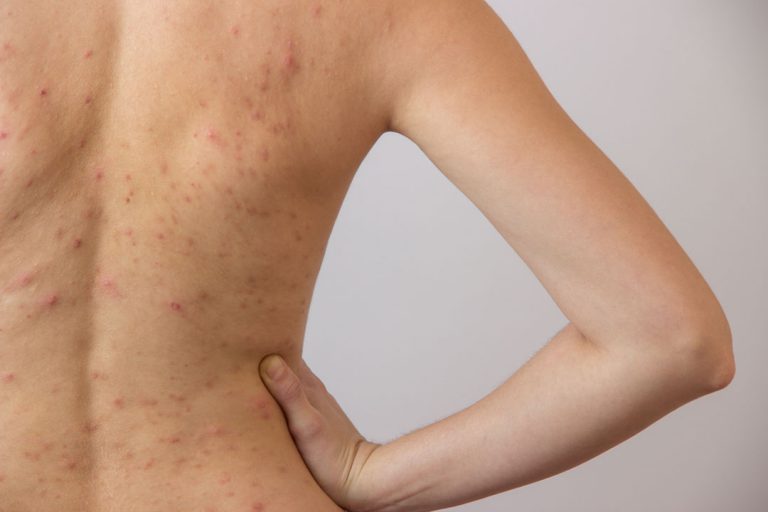
Back acne can show up as any of the following; congested pores, whiteheads, blackheads, pimples, pustules, or cysts (deep pimples). You can do a lot to improve and even erase your back acne if you understand what causes it and what doesn’t and if you know what you can get at a drugstore or cosmetic counter without a prescription. For tougher cases, a consultation with a physician would probably be your best bet.

No one factor causes back acne. As physicians understand it, back acne happens when oil (sebaceous) glands come to life around puberty, when these glands are stimulated by male hormones that are produced in the adrenal glands of both boys and girls. At some times, cells close to the openings of the oil glands block the pores. Bacteria normally living on the skin thrive on this oil, reproduce, and inflame surrounding tissues.

Heredity has little, or nothing, to do with it. Most people don’t have the problem just the way their parents did except in very severe cases. Practically even human being experiences back acne at some point, whether their relatives have had it or not. Some people are just naturally oilier than others.

Parents from the US to the Far East tell their teenagers to stay away from pizza, chocolate, greasy and fried foods, and junk foods. Well, this is probably good advice, since they can affect overall health, but they certainly don’t make back acne worse. Stress does not play much of a direct role in causing back acne. The good news is that to improve the back acne, people are not required to calm down and reduce stress unless it is causing them to pick at their skin.

Since everyone gets back acne at some time, there is no “correct” time to treat it. It depends on how you’re reacting to it, and when you think it’s out of control. It may be a sudden and severe breakout on your back that’s just plain ugly, a few pimples on your back that just never seem to go away, or that single white head that suddenly appears a few days before your wedding. It’s your decision and it’s usually common sense.

Causes of Back Acne

Acne on the back is caused by two essential issues. Heat and friction are the main components for back acne, which is sometimes referred to as athletic acne since these types of breakouts on the back are common among athletes. For example, in football players, shoulder pads can create a great deal of heat and friction on the backs of the shoulders and between the shoulder blades, in turn causing acne on the player’s back. In cyclists, tight-fitting spandex clothing can rub against the skin, as well as trap body oils, debris and dead skin cells against the skin surface of the back.

Needless to say, participating in sports also means time in the showers. If you must shower, don’t do it as often and don’t do it any longer than the short time absolutely necessary to get clean. Unfortunately, in our efforts to remain clean, we tend to take more time to the shower. And it seems that many people who love long showers have back acne. Tough to understand why to be sure. Perhaps the drops of moisture beating down on the skin are forced into the pores, carrying dead cells, dirt and body oils along with them. Or maybe it’s simply the heat and excessive skin drying that showers can cause, which can make the skin over-produce oils to replace whatever moisture has been lost, contributing to an acne breakout. These are only personal theories, which have no basis in research.

One way to begin prevention is to apply benzoyl peroxide or witch hazel to your back before participating in any sports or performing any other activities where the probability for sweating is increased. Benzoyl peroxide will kill much of the bacteria that may accumulate on your back as you sweat. Witch hazel has been used for years to dry up oil and tone the skin.

Also be sure to wash your back immediately after an exercise session but be careful not to spend too much time in the shower. If you are prone to excessive sweating, you should probably change your shirt twice a day whether you exercise or not to avoid bacteria buildup that can further aggravate your acne.

Natural Back Acne Treatment

Wearing synthetic fibers and keeping the skin clean can help prevent many cases of back acne. But, what do you do if those pimples still sneak up on you from behind? Lots of spot treatments are available, including topical gels or lotions.

Many acne medications found at your local drugstore contain benzoyl peroxide. While it’s very effective for fighting acne, the ingredient may stain your clothing if you dress too soon after application. Be sure to allow the medication to fully absorb and dry before putting on your clothes. Other acne treatments are formulated with salicylic acid, which won’t stain your clothes. Be sure to read the product label so you know what you’re dealing with.

What can make back acne more difficult to treat than pimples that appear on your face is obvious. Your face is exposed to sunlight, which in moderation can actually help clear up the skin. Your back, however, is covered up with clothes all day fabrics that can hold in sweat, dead skin cells and other debris.

Use the topical medication only where you actually have breakouts. Otherwise, if treatment is ongoing or if it takes a long time, you’ll end up drying out your entire back. There are other things you can do as well many are common sense.

Do you have long hair? Think about it, your hair is touching the skin on your neck and between your shoulder blades. It can create a small sweaty spot when it’s against your cotton shirt. Either way, the contact may well be aggravating the pores on your back. So, if you find that back acne strikes too frequently, you might consider cutting your hair back to the collar line or figure out a way to prevent your hair from lying across your back.

Removing back hair by waxing can also lead to very bothersome breakouts. Of course, we need to deal with the issue of wearing sunscreen a topic that’s on everyone’s mind these days. It makes sense that a man who has endured ugly back acne all winter will notice that sun exposure may temporarily clear up the problem. However, he needs to beware this double edged sword. Lots of sun exposure may clear up your back, but it can also scar your sensitive skin. Everything in moderation. Tanning may camouflage your breakouts during the summer months, but you may find that your back acne will be even worse when the leaves begin to fall. Use sunscreen when exposing your back or any other part of our skin to the sun. An oil-free sunscreen will protect your skin from sun, scarring and back acne.

Back Acne Medication and Treatment

Some sufferers try to make a joke out of it and refer to those ugly breakouts on their backs as “bacne.” Body acne can also strike many people on the chest, shoulders, and even buttocks. When the lesions are large and painful, the case is considered more severe and may require over the counter medications, or even medical treatment.

Many acne treatment products available over the counter contain benzoyl peroxide. This ingredient works best for people with light to moderate acne on their bodies. Because the skin of the back is thicker than elsewhere on the body, it is often able to withstand 10% benzoyl peroxide well. Always consider that using a 10% strength anywhere else on the face or body may do more harm than good. A 2.5% version of benzoyl peroxide is not only less expensive in most cases, but it is more easily tolerated on more sensitive areas of the body.

Another word of caution: benzoyl peroxide bleaches fabric actually removes the dye from any clothing it comes in contact with. And, there’s simply no way around it. So, to be absolutely sure that you don’t damage any of your colored clothing, wear white while using products with benzoyl peroxide. The product may have been dry for quite a while, but you’ll still sweat and possibly re-moisten the gel or cream. Even if you had applied the treatment several hours earlier, it would still not be safe to let that area touch colored clothing.

While there has been an awful lot of research on the topic, the exact cause of body acne is still unknown. One thing we do know for sure any irritation to the skin can make acne worse. If you tend to notice that acne develops more in certain areas of your body than in others, you may be able to chalk it up to coincidence, or it may be caused by some kind of external irritant. Backpacks and purse straps, or even very tight fitting clothing, may aggravate acne in some people. We must recognize that we can’t prevent irritation by keeping the back and buttocks untouched; life happens, and we all sit, stand and walk. Clothing rubs against the skin. We all carry things around. Rather than focusing on what might be irritating your skin, it may be better to look for a good treatment option.

Prevention and Tips to Get Rid of Back Acne

Why is it that so many people seem more likely to suffer from back acne in the wintertime? The results of developing a case of back acne are predictable. People may avoid any occasion when they must remove their shirt. A person who’s dating or who uses the showers at the gym can often be embarrassed by the unsightly problem. Not to mention that pimples on the back are hard to reach, and they can hurt a whole lot.

Like other parts of the body, the back has lots of oil glands. Few people realize that. Acne on the face or on the arms is generally exposed to light, but the back is covered up all day. What if a person wears breathable cotton undershirts to prevent sweat stains on their clothes? Well, unbeknownst to them, sweat soaks into the cotton and stays in contact with the skin.

One way to deal with back acne is to wear synthetic fibers and avoid cotton clothes. There are many undershirts on the market that are made with “moisture-wicking” fabric, that keeps the sweat away from the skin. A person who wears cotton workout clothing should quickly change out of the sweat drenched shirt promptly after working out. So, a person thinks about it and takes off that sweaty cotton shirt before hitting the showers. Then what? Paying extra attention to the back when showering can make all the difference when dealing with back acne. Dead skin cells clog up pores and lead to breakouts. A “loofah” sponge or some other kind of scrubber should be just abrasive enough to remove dead skin cells while lathering up. One thing to remember: be very careful when scrubbing around any active breakouts on the back irritating them is never a great idea. Using the proper scrubber and a gentle hand will remove these dead skin cells without aggravating the acne. Some of the best tools for cleaning the back are loofahs or brushes that come on a stick; both make solo back cleaning less challenging.

Grab your trusty loofah, step under the shower, soap up and scrub gently. The idea is to gently remove excess cells, without being so harsh that the skin is broken. Men and women who need extra help keeping their backs clear need to find a good cleanser designed especially for body acne.

One tip: using an acne treatment cleanser can be a good thing, but using it all over the body may not be. The treatment cleanser should be used only in the areas where acne appears. These bath products tend to dry the skin, and should probably not be used on more tender areas.

Sex After 50 and Beyond

0

Sex After 50 and BeyondSex After 50 and Beyond you ask?

For millions of baby boomers now in their 50s and 60s, sexual activity is the norm. They’re staying sexually active and enjoying it. Today’s older adults are not following the stereotypical dictates of the middle-aged of past generations who believed sex was only for the young. Men and women in their 50s and 60s still feel young, and they aren’t about to give up their tennis games, aerobics, vacations or sex lives.

Yet, there are “realities” of aging. When women reach menopause, a fall in estrogen levels may lead to vaginal dryness and the thinning of the vaginal wall that can make sex uncomfortable. After surgical treatment of the prostate for cancer or benign prostatic hyperplasia, men might have erectile dysfunction. Men and women are at higher risk for a range of illnesses that can affect sexual performance and interest, from arthritis to high blood pressure and heart disease.

While it’s important to be aware of how the aging process can affect sexuality, it’s equally important not to view sexual problems as a natural part of aging. If people in their 50s and older experience a noticeable decline in their desire for sex or fail to become aroused, they should seek medical help. While sex tends to be associated with youth or having a family, it is much more than that. Sex fulfills our basic need for a close connection with another person. There is no good reason why people can’t remain sexually active throughout their entire lives. Sex can mean much more than intercourse. It encompasses many different ways of showing affection and sharing intimacy.

Modern Maturity Sexuality Survey:

The AARP/Modern Maturity Sexuality Survey, a survey of nearly 1,400 adults 45 and older, shed much-needed light upon sexual behaviors and attitudes among this segment of the population.

Here are some major findings:

While the majority of men and women said that satisfying sex is important to their quality of life, they see relationships as more important than the sexual activity.•The “partner gap” is one of the most obvious factors affecting sexual activity. While roughly 80 percent of men and women 45 to 59 years have partners, only 58 percent of men and 21 percent of women 75 and older have partners.

  • Reported sexual activity declines with age for men and women, as health declines and many lose their partners. However, 64 percent of men and 68 percent of women who have sexual partners are extremely or somewhat satisfied with their sex lives.
  • Out of all those surveyed, 22 percent of men and 7 percent of women report they are now or have in the past taken any medicine, hormone or other treatment to enhance sexual performance. Among those who have done so, 68 percent reported improvement in their sexual satisfaction and relationship with their partner.

This last finding suggests many men and women 50 and older are not seeking help from their physicians for sexual problems. If you are in this age group, realize that you are not alone and that help may be available.

There are many positive aspects of intimacy in the 50s and beyond. Empty nesters can now concentrate on their relationship and become romantically re-acquainted. Taking vacations and exploring new interests together are viable now that careers and children are no longer the focus. Singles in their 50s can bring new stimulation and excitement to their lives with a new partner.

Also, there are advantages to being older. According to a study by the National Institutes of Health and The Ford Foundation, women ages 50 to 59 were a third less likely to have pain during sex and half as likely to report anxiety or non-pleasurable sex. Men ages 50 to 59 did not have any more performance anxiety than men ages 18 to 29.

The following tips are beneficial antidotes to the often inevitable physical realities of growing older:

  • Communicate with your partner. Talk about pleasing each other. Discussing changes in sexual response, erectile dysfunction or a loss of sex drive helps deal with the problem.
  • Take your time. Men and women may need more manual stimulation or foreplay. Also, find ways to adjust to changes. Women in menopause may need to use a lubricant.
  • Find a doctor with whom you can be candid. Don’t be embarrassed to ask for advice and possible medication to enhance intimacy.

Most importantly, stay in shape. Keep physically and mentally fit so that you’ll be ready for the romance that awaits you well into your later years.

Free Radicals: Prevention and Health Problems

0

Free Radicals Prevention and Health ProblemsThere are several types of free radicals, but the most common ones involve oxygen. Free radicals can be the result of many forms of pollution. Some researchers believe that the pain or inflammation experienced following a significant or particularly sustained effort tells of the damages caused to the tissues by an accumulation of free radicals.

Free Radicals and Intense Physical Exercise

Some studies have shown that athletes who are obliged to perform exercises requiring a lot of endurance are more often subject to colds or influenza following such efforts. In its publication entitled Antioxidant Revolution, Doctor Cooper, who is also of the opinion that free radicals can considerably reduce the efficiency of the immune system, advise anyone who is training for more than five hours weekly to take large doses of antioxidants. Indeed, several studies show that intense physical exercise increases the production of free radicals that can damage the cells, at least for a short period of time after the effort.

Such a phenomenon is logical, as the respiratory exchanges, and consequently the consumption of oxygen, increase considerably during a vigorous physical exercise. The individual inhales more nitrous oxide, ozone and other pollutants that are in the air.

Various problems caused by the destructive action of free radicals clearly show the necessity for providing your system daily with antioxidants in abundance. They offer an additional protection to your system in its nonstop fight against free radicals. They strengthen the immune system, allowing it to perform more efficiently.

Antioxidants and Cancer

It has now been proven that antioxidants (notably Vitamin E, beta-carotene and selenium) can reduce the risk of becoming a victim of several types of cancer. A major study on the subject has been conducted in China, over a period of five years, by the American and Chinese research team.

Thirty thousand people ranging from 40 to 69 years old, all living in the province of Linsian (north-central China) were selected. At first, the researchers’’ intention was to study a form of stomach cancer frequently found in this region where the rate of stomach cancer is one of the highest in the world (one hundred times higher than in the United States).

This study led to the discovery that the risk of dying of cancer was 13% lower in people who were receiving vitamin E, selenium, and beta-carotene. Particularly in the case of stomach cancer, the risk was 21% lower.

Since these three supplements have the common property of neutralizing free radicals, one could think that cancer would be the result of their harmful action.

Antioxidants During Weight Loss or Detoxification

During a weight loss or while undergoing a detoxification in depth, the detoxification of the liver, for example, it is essential to include taking antioxidant if we want to make the most of our efforts. Indeed, the elimination of toxic substances engenders an overproduction of free radicals that can only be balanced by taking vitamins and antioxidant supplements.

Antioxidants in Foods

The antioxidant can be found in their natural form in many vegetables and fruits. For instance, sweet potatoes, carrot, spinach, cantaloupe, and broccoli contain Vitamin A. Vitamin C can be found in orange juice, grapefruit juice, lemon juice, green pepper, broccoli, papaya, orange. Vitamin B in raw molasses, wheat germ, sunflower seeds, sunflower oil, almonds, pecans. Selenium, for its part, is a trace element that can be found in meat, eggs, milk, seafood, whole grain cereals, garlic, tuna, onion, broccoli.

Why Should We Take Supplements?

Why Should We Take Supplements?Because supplements are a major asset for our health. A supplement is the concentrated form of nutritious substances essential to the good functioning of the system. Quality supplements complement a basic diet and help avoid numerous deficiencies, provide a sufficient intake of essential nutrients, invigorate the system, contribute to maintaining a strong immune system, help the fulfillment of many organic functions and promote a better protection against the aging process caused by free radicals. Supplements are generally available in the form of tablets, capsules, powder, and vials.

Supplements are a major asset to anyone who wants to remain healthy or to recover their health. This also applies to people who already have healthy eating habits. While deficiencies are common, abusing vitamins or other nutrients is very seldom seen. The appropriate supplements combined with a healthy diet will allow you get the maximum out of your diet, a diet that allows you to build good reserves of nutritious elements. This will enable you to avoid constantly being on the verge of being sick. Thanks to good supplements, you will build up enough reserves to face the hardships of life.

Our foods are deficient:

  • Chemical fertilizers, herbicides, and insecticides are being added to fruits and vegetables.
  • Hormones are being injected in beef and pork.
  • Chickens are fed with meal packed with antibiotics.
  • Fruits ripen in gas chambers.
  • Flour and sugar are bleached and contain many chemicals.
  • Many products contain preservatives and artificial colors.
  • Many foods are irradiated.
  • Many foods are genetically modified.

Our diet is often deficient:

  • Because picky eaters do not eat certain fruits and vegetables.
  • Because many people are too often on a weight-loss diet (following diets that are not always balanced)
  • Because people who are always on the run are often satisfied with eating canned foods or “TV dinners”, or eating in “fast-food” restaurants.
  • Because by over-cooking many of our foods, we destroy many vitamins and enzymes.

Why do we need supplements all year-long, even during summer?

  • Because even during summer, too many of our foods are still as deficient and as packed with chemical fertilizers, insecticides, preservatives, artificial colors, etc.
  • Because too often, in the summer, we pay less attention to our diet because we are on vacation.
  • Because during summer, the sunshine encourages a better assimilation of the nutritious substances contained in food supplements.
  • Because the purpose of summer is to prepare and strengthen our body in anticipation of the coming winter months.

Can children take supplements?

Yes, they can. Choose supplements that are specifically made for them and food supplements that are, in fact, particularly nutritious foods. Because health is the most precious thing that we can give them, we serve them best by complementing their diet with the appropriate supplements. Nutrition supplements simply enrich our basic diet for better results. Nutritional supplements can be taken at anytime and for as long as we want to remain healthy.

Vitamin A: Best in Small Doses

Vitamin A Supplements Best in Small DosesVitamin A ranks on Dean’s List of nutrition: It plays a vital role in vision and the development and growth of cells. It also keeps skin healthy, assists the immune system and may even help protect you from cancer.

Potential Healing Power:

  • Keep immunity strong
  • Promote healthy skin
  • Protect against cancer
  • Prevent vision problems associated with aging
  • Protect against poor night vision
  • Speed wound healing

Are There Any Side Effects?

But when it comes to this necessary nutrient, too much of a good thing can be bad. In fact, excess intake of vitamin A can be downright dangerous, and vitamin A supplements are rarely recommended. Pregnant women should not take high doses of vitamin A supplements; it can cause congenital disabilities in the baby. It is possible to get enough vitamin A in a balanced diet or by taking a multivitamin.

Where Does Vitamin A Come From?

Two forms of vitamin A are available in the human diet, preformed vitamin A and ProVitamin A. Preformed vitamin A are found in foods from animal sources, including dairy products, fish, and meat (especially liver). The second, By far the most important, ProVitamin A, is acquired from colorful plant foods such as mangoes, sweet potatoes, carrots, broccoli, and spinach. The most common type of ProVitamin A in dietary supplement and foods rich in beta-carotene.

Recommended Doses and Timing For Vitamin A

For men, the recommended daily dose of preformed vitamin A is 900 micrograms whereas for women it is 700 micrograms for ages 14-51+ Years of age. It should be taken with meals.

Who’s at-risk for deficiency: Poverty-stricken people with extremely poor diets and individuals with certain diseases of the liver, pancreas or intestines.

Possible signs of deficiency include Night blindness, trouble focusing in changing light and glare sensitivity.

A Host of Benefits

Vitamin A has many virtues. It stimulates wound healing, especially in people taking steroid drugs. (Steroids are often prescribed to control inflammation, but this makes skin slower to heal). So if you’ve been wounded or severely burned, or are either planning for or recovering from surgery, it’s important to get plenty of vitamin A.

Vitamin A has also long been linked to a lower risk of certain eye diseases that can result from the natural aging process. Researchers found that people who fail to get enough vitamin A in their diets are twice as likely to develop macular degeneration, a condition that causes vision problems in many people over 60. Vitamin A is also important for younger people, as a deficiency can impair vision.

Vitamin A is intensely researched as a possible cancer fighter. Additionally, it may protect the lining of the lungs-one reason that it’s particularly helpful to smokers.

You can get vitamin A from your diet by eating fruits and vegetables that are rich in beta-carotene. The advantage of this form is that it’s turned into vitamin A inside your body is needed. In fact, many experts recommend that you concentrate on getting your vitamin A from produce such as sweet potatoes, carrots, apricots, and cantaloupe because there’s little chance of toxicity.

Vitamin A Supplements

Vitamin A is available in dietary supplements, it can be found as a standalone supplement, but usually it comes in a combination of preformed and ProVitamin A. Many antioxidant supplements, protein powder for women and women’s daily multivitamin supplement also contain this vitamin in lower doses.

Healthy Foods for a Healthy Heart

0

Healthy Foods for a Healthy HeartYou already know that a healthy heart demands healthy foods for a low-fat, low-cholesterol diet. But other than holding off on double helpings of bacon, what else can you do to keep your heart on the job?

The Heart Association indicate that a well-balanced diet, low in saturated fat, can protect your heart. Some foods may reduce cholesterol levels; others may reduce the amount of damage cholesterol can do. Other foods may reduce your body’s ability to produce the blood clots that can jam arterial high-ways and trigger heart attacks.

Research suggests that the following healthy foods can help increase the likelihood that your heart will remain the healthy workhorse it was designed to be. But don’t pick one food, eat it at every meal and think you’re going to prevent a heart attack. The key, experts say, is a balanced diet rich in fruits and vegetables.

  • Apricot
  • Beans – Dark beans, such as kidney or black beans, are high in fiber, B-vitamins, and minerals.
  • Carrots
  • Cherries
    Fish – high in omega-3s, such as salmon, tuna, mackerel, herring, and trout.
  • Garlic
  • Grapefruit – Like oranges, grapefruit contains a lot of vitamin C and helps reduce cholesterol.
  • Greens
  • Kiwi
  • Mangoes
  • Nuts – healthy nuts such as almonds or walnuts will satisfy your hunger and help your heart.
  • Onions
  • Oranges – are rich in beta-carotene, potassium, magnesium, and fiber.
  • Pineapple
  • Prunes
  • Pumpkin
  • Squash
  • Sweet potatoes

Your heart is probably the most important organ in your body. Unfortunately, most of us don’t take care of our heart as well as we should. A healthy diet can be good for your heart as well as your waistline.

Beta-Carotene Against Free Radicals

Beta-Carotene Against Free RadicalsIt used to be that beta-carotene was best known for the orange or dark green color it gave all those “healthy” vegetables that Mom nagged you to eat: carrots, broccoli, brussels sprouts and others whose bright hues made them difficult to hide in the mashed potatoes.

Studies have shown that beta-carotene may fight cancer, boost immunity, help protect against heart disease and even slow the effects of aging!

Amazing stuff, this beta-carotene. It wasn’t too long ago that except for the fact that it’s a source of vitamin A, beta-carotene was virtually ignored by nutritionists and little-known by the general public. The confusion existed because beta-carotene converts into vitamin A in our bodies as needed.

That’s important because preformed vitamin A from animal food sources, although necessary, can be dangerous in large doses. Vitamin A is a fat-soluble vitamin that is stored primarily in the liver, and high intakes can be toxic. But beta-carotene is much safer. Excess amounts pass through the body with no side effects. With no side effects, it is one of the reasons that beta-carotene may be the best way to get your vitamin A.

Perhaps beta-carotene’s greatest power is in preventing certain cancers, particularly those caused by cigarette smoking. The protective effects of beta-carotene are not limited to lung cancer. In the United States and abroad, researchers have reported that low beta-carotene intake is associated with a higher risk of cancers of the stomach, bladder, breast, colon, mouth, and throat.

That’s because beta-carotene acts as an antioxidant. Antioxidants-which includes beta-carotene, along with vitamins C and E help prevent oxidation, stopping free radicals.

Besides, beta-carotene and other antioxidants may also boost the immune system by producing changes such as an increase in the number of beneficial “natural killer cells” that gobble up harmful bacteria and viruses and help keep the immune system strong.

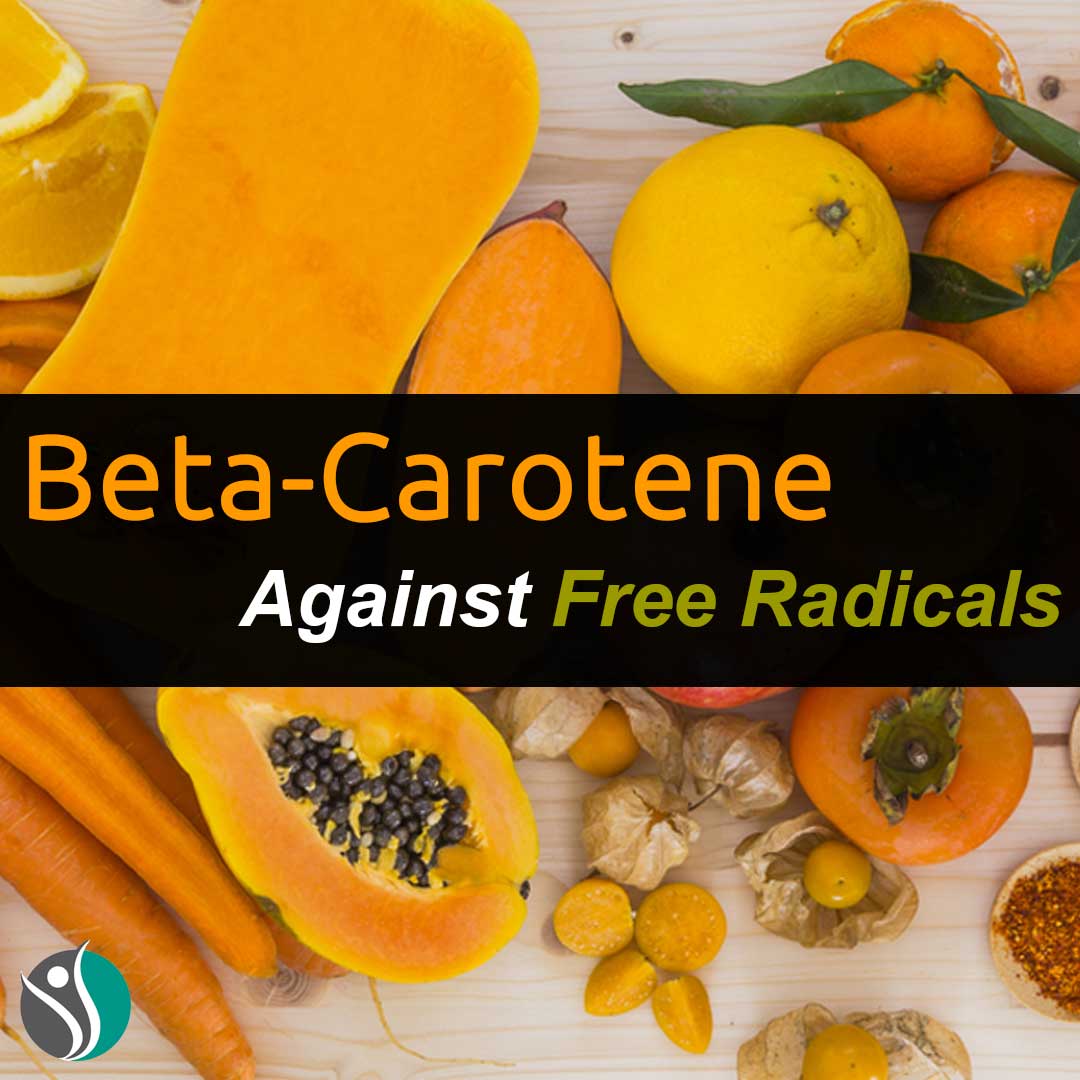
As Mom knew, beta-carotene is most abundant in orange and yellow vegetables like carrots, green leafy vegetables like spinach and in many fruits. While you can get a degree of beta-carotene by eating just two carrots or a ¼ pound of sweet potatoes, some experts recommend taking higher doses, usually around 15 milligrams, to prevent oxidation. That’s where supplements can be beneficial!